The Case for Banning Short Haul Flights, Best Business Hack Ever + How to Waste $80 Million
What’s In This Issue?
This Week’s Main Stories
 Story 01Behind the Cosmetic Brand That Quit Social Media 12 Months Ago
 Story 02Amazon Wants To Pay You $2 For Your Data. Here's Why You Should Say No.
 Story 03France Bans Short Haul Flights Where Trains Are Easily Available
 Story 04This Repackaging Solution Might Be The Best "Business Hack" Ever
Even More Stories
- "Gaslighting" Is Merriam-Webster's 2022 Word of the Year
- Why Pantone Turned Its 2023 Color of the Year into a $1 Million Immersive Experience
- Secrets of the Christmas Tree Trade
- Man Alarmed to Become Only Guest At $400,000 Metaverse Party
- Instagram Offers Its Predictions on Generation Z Trends for 2023
- World Cup 2022 Has a Winner, Say Women Football Fans: Safety
- How to Start a Cassette Collection in the 21st Century
- Hot Tub Boats Are Now a Thing ... and Have a Name as Silly as You'd Expect: Spacruzzi
- An Estimated $80M Was Spent In The Georgia Runoff Election To Change No One's Mind
Behind the Cosmetic Brand That Quit Social Media 12 Months Ago
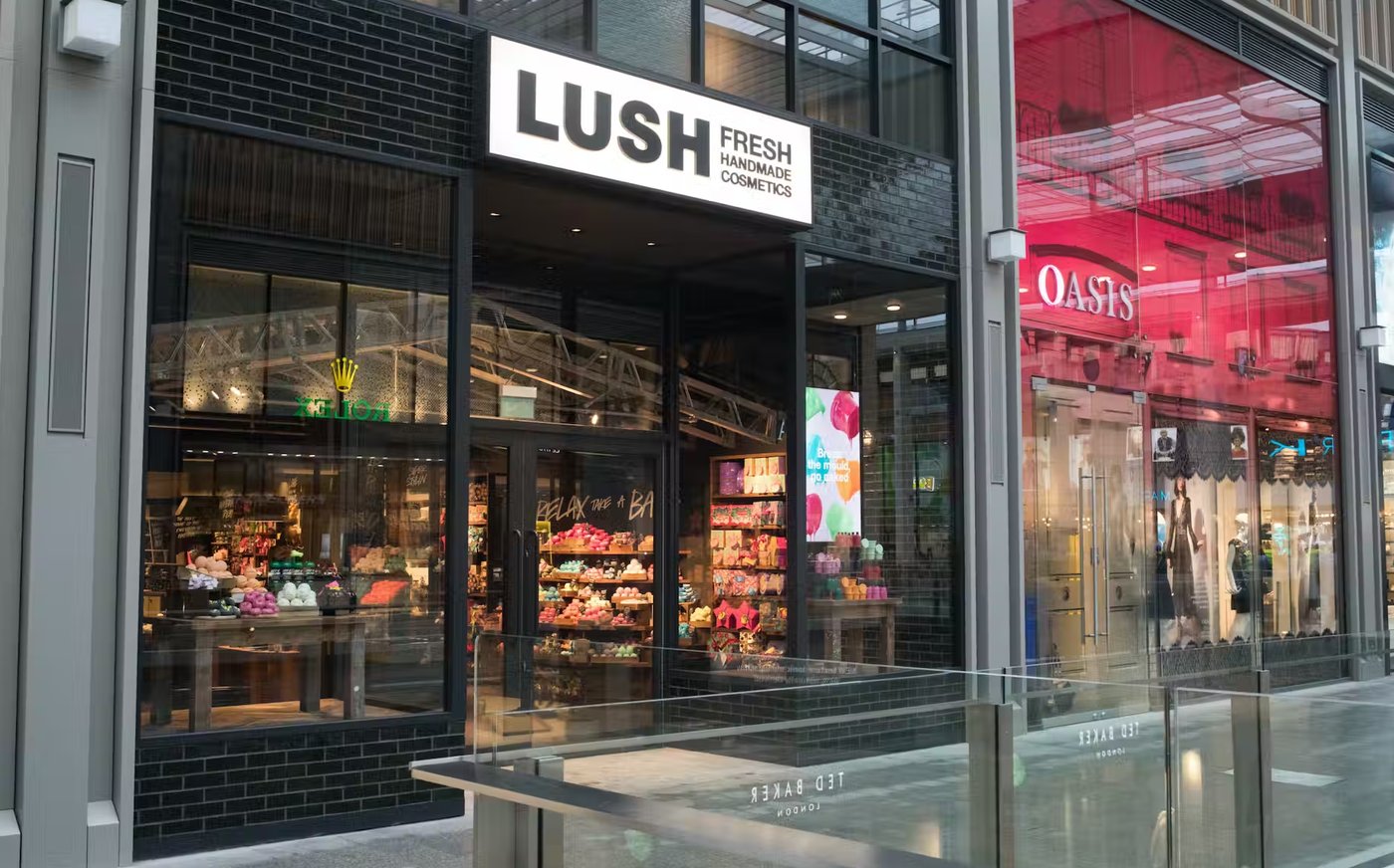
It has been a year since Lush quit social media and an article from marketing publication The Drum explores what happened after the brand made the unusual move. Describing Facebook as a platform that is "dying anyway," brand and marketing director Annabelle Baker says the harder part was to figure out how to replace the engagement the brand had on Instagram as well as offer consumers the direct customer service channel which they had grown accustomed to having via Twitter and Facebook.
To fill the gap, they turned to PR initiatives and focused on YouTube and Pinterest--the two social media platforms they retained and also are building their own instant messaging platform and SMS customer service function. The rationale behind their efforts are admirable, and the principle is one that goes farther than most brands who might declare short term holds on ad spending only to go back to their same spending once the backlash subsides. Hopefully more brands are paying attention.
Amazon Wants To Pay You $2 For Your Data. Here's Why You Should Say No.
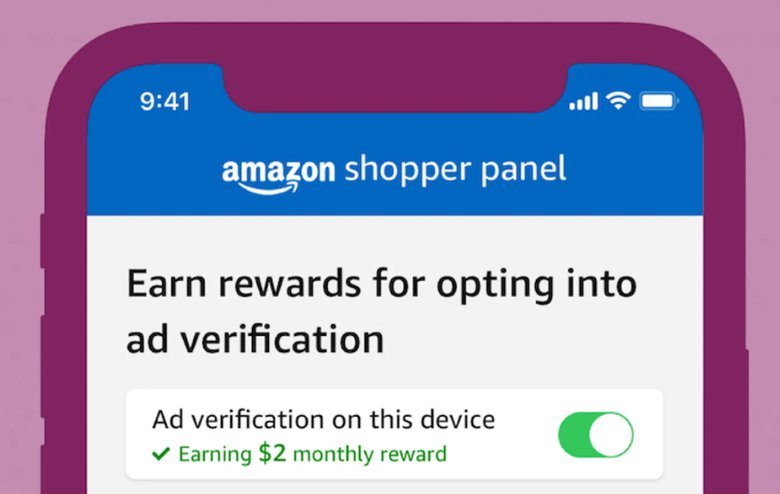
Amazon's latest data grab policy involves offering users $2 per month to route their traffic through an Amazon server so the company can keep track of which Amazon ads they’ve seen. It is part of a program at Amazon "gives you up to $10 a month in Amazon credit for uploading receipts for purchases you made at places other than Amazon and filling out surveys."
That's a whole lot of data they are asking for. Not only would give them details on all your purchases (no matter where you make them) but you also voluntarily run ALL your phone's data through an Amazon server. As this Verge article on the new policy notes, even if you're not concerned about sharing your personal data with Amazon ... you should at least demand more compensation for it.
France Bans Short Haul Flights Where Trains Are Easily Available
New York airports are among the worst in the world, because of the traffic congestion. There is nothing more demoralizing on a Friday evening than hearing a pilot say "we are number 37 for takeoff." One solution to the congestion might be for the US to follow the recent move in France to ban short haul flights to nearby destinations where train or bus options are readily available (and banning private jets over short distances too).
Imagine if we banned flights between New York and DC (currently a comfortable 3.5 hour train ride), or between Philadelphia and DC (a mere 2 hour train ride). I have taken both flights and both trains ... the train is more comfortable, less stressful, almost guaranteed to run on time and more environmentally-friendly. I suppose the airlines might object due to lost revenue, and the super-elite/celebrities might resent giving up their private jets, but this seems like a no-brainer for everyone else.
Travelers to other destinations would appreciate the reduced traffic at NY airports, those traveling between DC-NY-Philly would have a minimal inconvenience (or you could argue NO inconvenience) and it would be better for the planet. What would it take to make this happen here?
This Repackaging Solution Might Be The Best "Business Hack" Ever
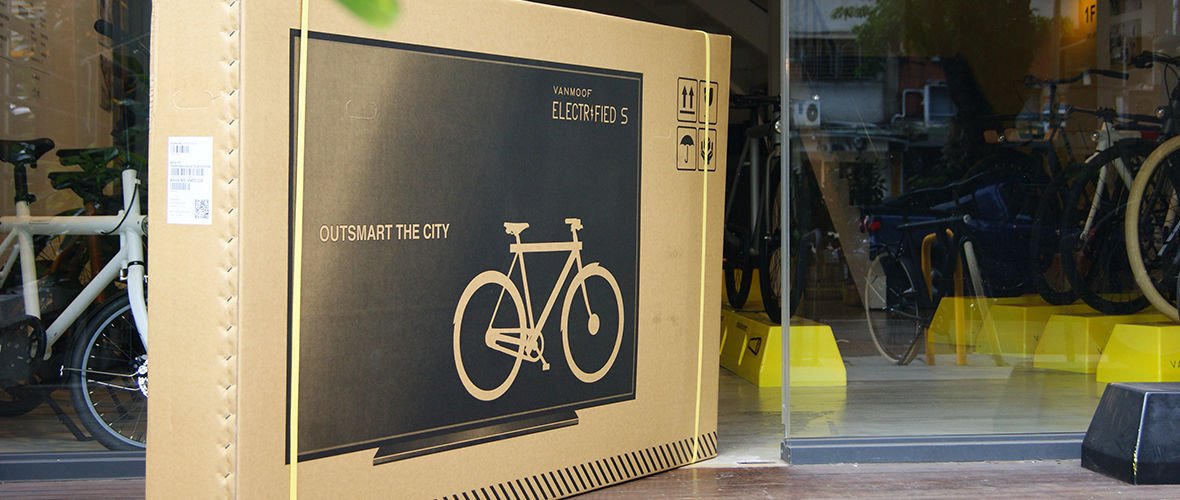
Sometimes in the course of doing research I come across the story that is a bit older but still good enough to share. This week that story came from Dutch bike manufacturer VanMoof who came up with a very non-obvious solution to their major problem of damage to bikes that they were shipping from Europe to the US. Realizing that the handlers at shipping companies were not treating their bikes as fragile, they put a photo of flat screen TV on their box after realizing the box shape was about the same size. Their shipping damages went down by a stunning 70%-80%. The idea was so good, it's been copied by other bike makers and a great example of how sometimes the best solution to a real business problem to understand what could actually change the behavior of the people causing the problem in the first place.
