Smart Wine, Driverless Race Cars, Rhode Island's Marketing Flop and the Truth About Blackberry
What’s In This Issue?
This Week’s Main Stories
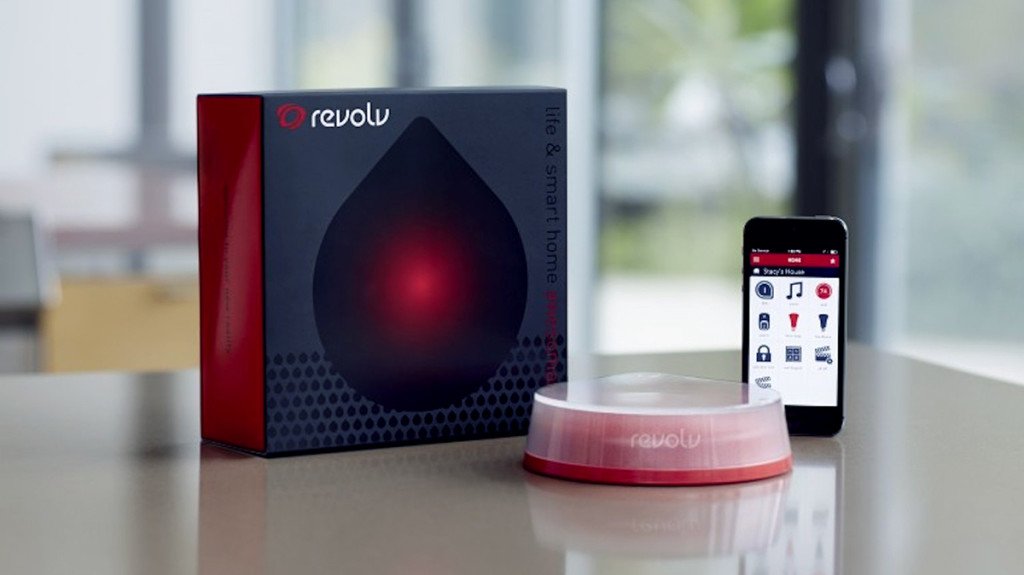 Story 01The Unreliability of The Internet of Things
 Story 02Rhode Island's Predictable Marketing Strategy Flop
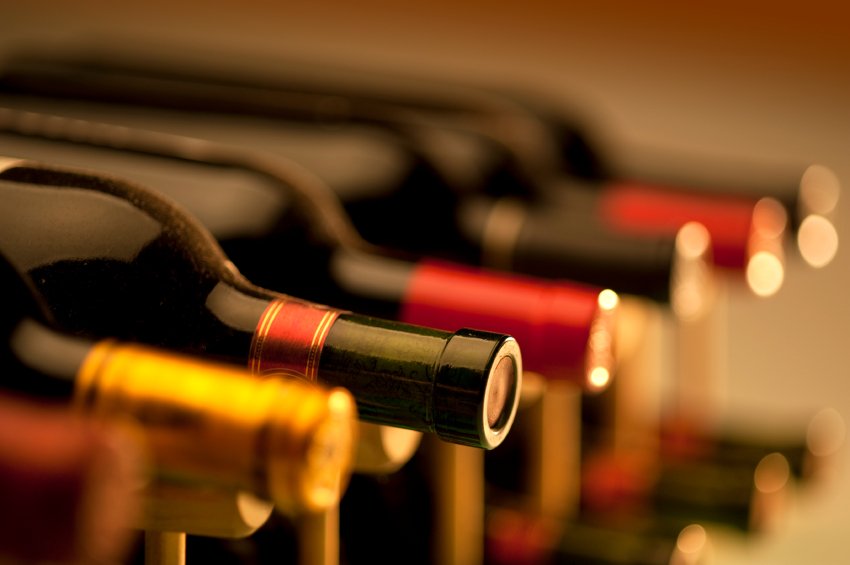 Story 03Bavarian Smart Wine and The Future Of Agriculture
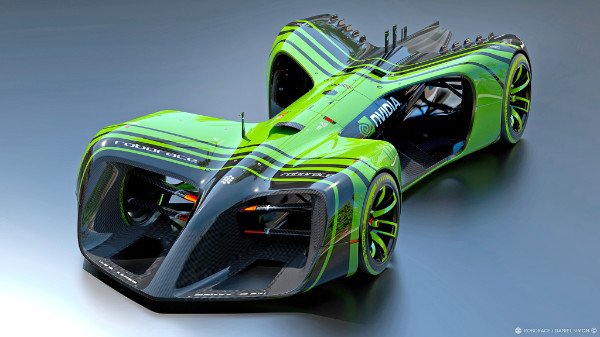 Story 04Nvidia Imagines Future For Driverless Drone Race Cars
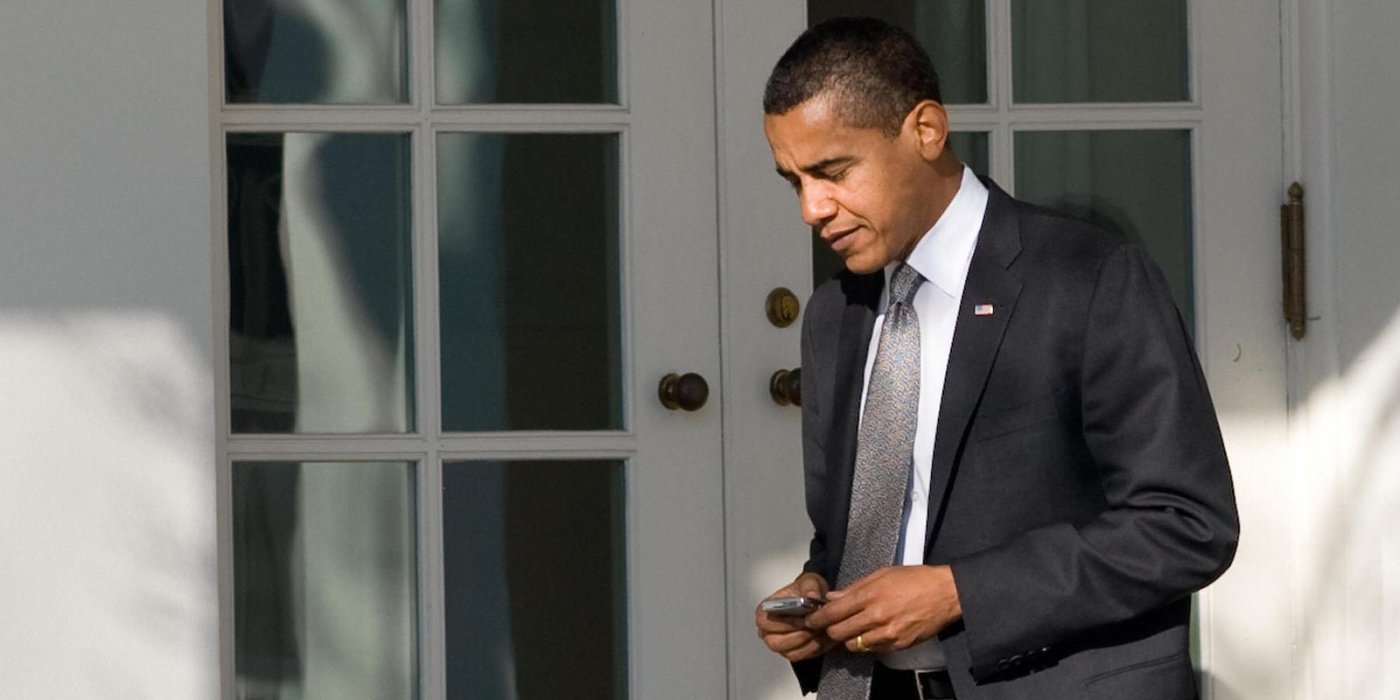 Story 05The Real Reason Blackberry Still Matters
 Story 06Influential Marketing Book Of The Week: Under New Management
The Unreliability of The Internet of Things
The news that Nest was shutting down support for its under performing smart home hub product called Revolv stoked minimal ire ... until a well written rant on Medium this week sparked a soul searching online debate about whether the Internet of Things may have a hidden dark side. The full article (and the follow up it inspired in Wired magazine on how "you're crazy to buy into the Internet of Things" are both worth a read.
Rhode Island's Predictable Marketing Strategy Flop
The marketing industry is rightfully criticized for being introspective and sometimes launching creative work for its own sake. The new economic development and tourism campaign for the state of Rhode Island and its many launch related gaffes was a perfect example this week. The article about the debacle is sadly entertaining, and frustrating in exactly how preventable so many of the mistakes really were.
Bavarian Smart Wine and The Future Of Agriculture
In a rather different story about the power of IoT, this article spotlights several wineries in Bavaria which reimagining wine production. The effort also introduces an interesting question when it comes to the role of technology in agriculture and perhaps food overall: when we have robots to control the proportions, chemical composition and even the taste of items previously seen as "delicacies," how will that the affect the intrinsic value (and price premium) we place on them?
Nvidia Imagines Future For Driverless Drone Race Cars
Last year "drone racing" got its first league and this week Nvidia announced plans to create the "Roborace" - a competition of driverless race cars that can reach top speeds of close to 200 mph. As time goes on, we will continue to see more of these artificial intelligence led sports featuring robotic "players" - which raises all kinds of interesting questions about how humans will relate and empathize (or not) with robotic competitors ... and ethical and moral concerns that are already emerging.
The Real Reason Blackberry Still Matters
It is easy to dismiss Blackberry, yet the brand manages to stick around thanks to a stunningly influential set of super users ... including President Obama himself. It makes sense if you think about it. The only people senior enough to ignore IT policies and keep their Blackberries today are leaders ... yet hardly any B2B marketers are optimizing for Blackberry or thinking of it as a channel. Maybe it's time we all give Blackberry the minimal recognition they deserve for retaining the few customers who everyone else wants to reach.
Influential Marketing Book Of The Week: Under New Management
This fascinating book from management guru David Burkus takes just about every counterintuitive business myth you might have heard over the past several years and turns it into a collection of business truths that feel new and old at the same time ... and that's a good thing. Sharing now well worn ideas like paying people to quit (a now famous business practice first popularized by Zappos) alongside newer and scarier ideas like making salaries transparent makes for a surprisingly original collection of new ideas about management. Put customers second? Ban non-competes? Lose your vacation policy? The ideas in this book may be dismissed as a recipe for anarchy by corporate bureaucrats and drive lawyers crazy ... but for the rest of us they offer a uniquely useful guidebook to the fascinatingly flat future of business.
