Robotic Eyelash Extensions, the Future of Food - To Diversity Summit Registrants
What’s In This Issue?
This Week’s Main Stories
Blacksmith Turns Decades of Chinese Bombs Into Kitchen Utensils
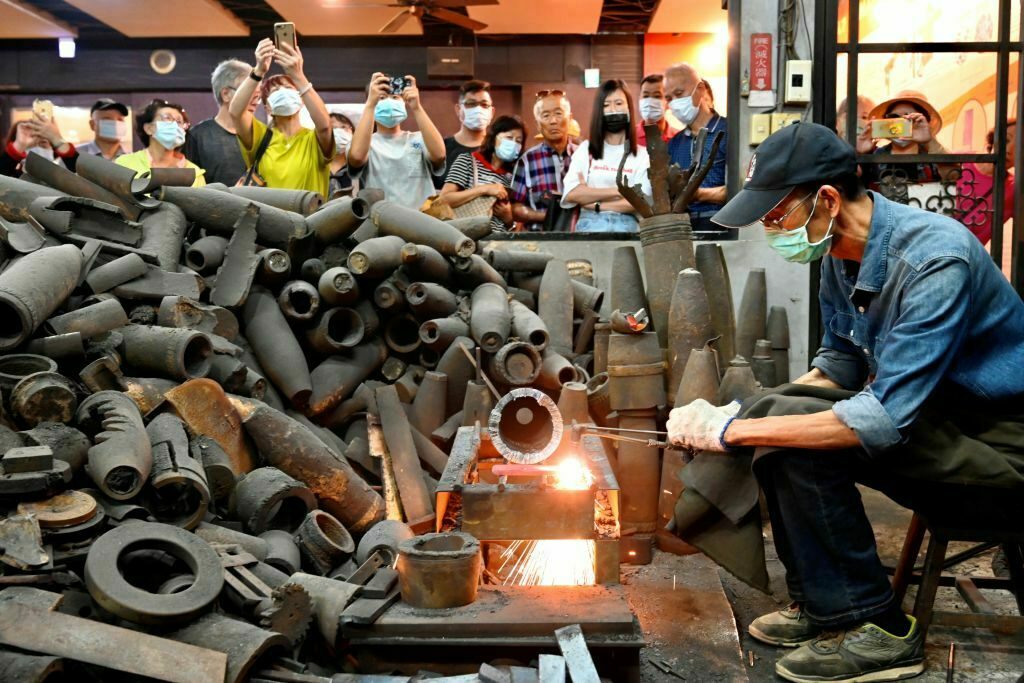
On Kinmen Island, a Taiwanese territory four miles off the coast of mainland China, nearly half a million bombs were dropped over the span of decades since the 1958 Taiwan Strait Crisis. This intriguing story from Atlas Obscura shares the story of one blacksmith who grew up during that time and learned how to reuse the metal and shrapnel from the bombs to make tools and kitchen utensils. The higher quality the bomb - the better quality the steel used. And as an island with a hostile neighbor and little access to imports, having useful steel literally falling from the sky created an entire industry for Wu and others like him. How's that for focusing on the bright side?
Indigenous Cuisine, Undiscovered Seagrass and the Future of Food
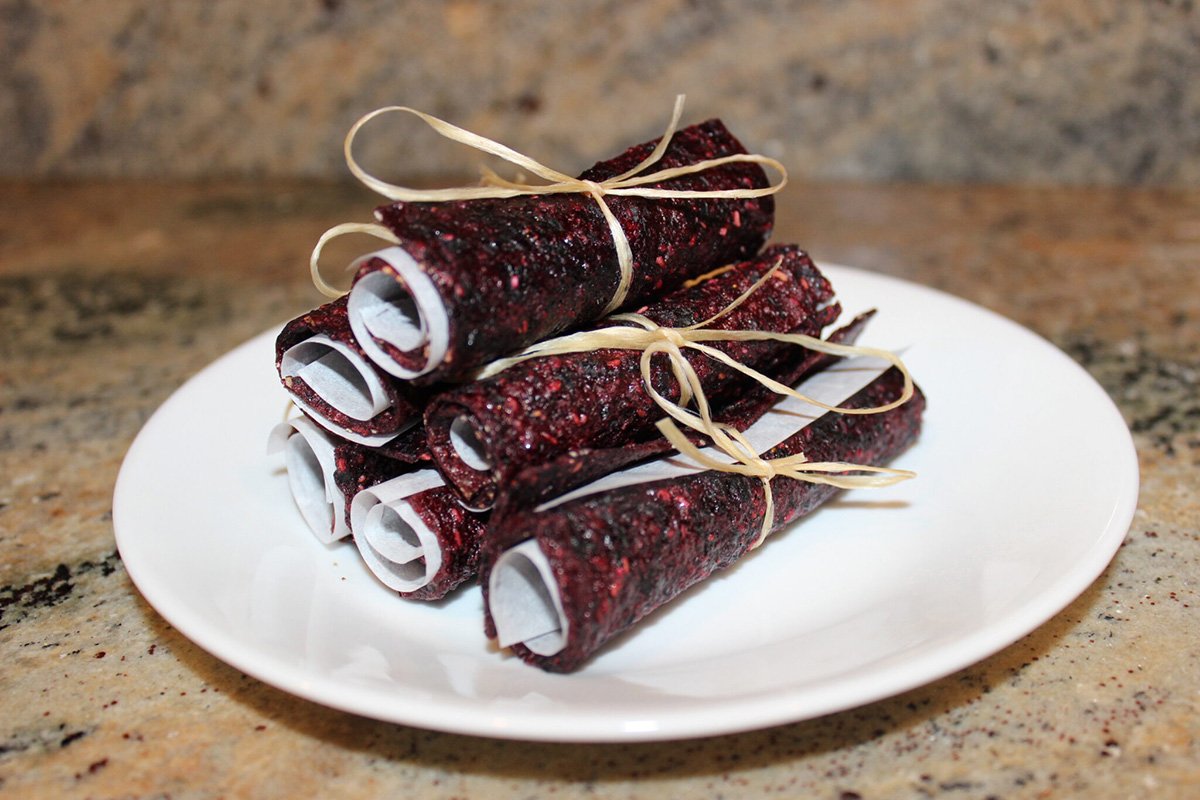
What food trends will shape what we eat in the decade to come? There are some signs that the next evolution in the ongoing movement to eat local and organic might be to eat more indigenous foods - as this report from Wunderman Thompson Intelligence spotlights. Beyond the growing visibility of indigenous chefs, there are more pioneers who are discovering new plant life that could become a staple of consumption for us all in the future as well.
Spanish chef Ángel León is experimenting with dishes made from seagrasses and so-called "trash fish" (pandora, krill, sea bream, mackerel, and moray eel). His vision extends far past novelty dishes, into an entire ecosystem and new saltwater economy for his hometown of Cádiz. If it works, his underwater seagrasses could fight erosion and turn millions of hectares of underwater coastlines into a source of food.
Robotic Eyelash Extensions Might Be Coming To A Beauty Salon Near You

Eyelash extensions are popular in Asia, but require a time-intensive process of having a lash stylist attach extensions one-by-one while you sit in a chair for hours. Before you get too impressed with my lash knowledge, I learned all of that from a Techcrunch article this week about Luum, a new startup that has built a robot that can apply eyelash extensions in less than 20 minutes. After they finish testing (and find some adventurous volunteers), the founders believe every beauty salon will want one because of the potential for repeat business since the extensions need to be replaced every few weeks. As odd as it sounds, the business model and assumption does make sense. Hair and nails already have extensions. Why not eyelashes too?
Watch this week's episode of the Non-Obvious Insights Show ...

Coming off our big week of sessions all about diversity and inclusion, on this week's show I'll interview Michelle P. King - author of the bestselling book The Fix and former Director of Inclusion at Netflix. Join us for a conversation about how to fix the gendered workplace >>
Want to watch past episodes? Just visit my YouTube channel to see a full archive of all my previous guests. Watch the full playlist on YouTube >>
