Ramadan Marketing, the YOLO Economy and 9 Interesting Earth Day Stories
What’s In This Issue?
This Week’s Main Stories
 Story 01Welcome to the YOLO Economy ... In Some Places
 Story 02The Biggest Marketing Mistake Brands Make During Ramadan
 Story 03Forget Flying Cars. Maybe We Need a Flying Electric Ferry Instead.
 Story 049 Interesting Stories To Read Today For Earth Day 2021
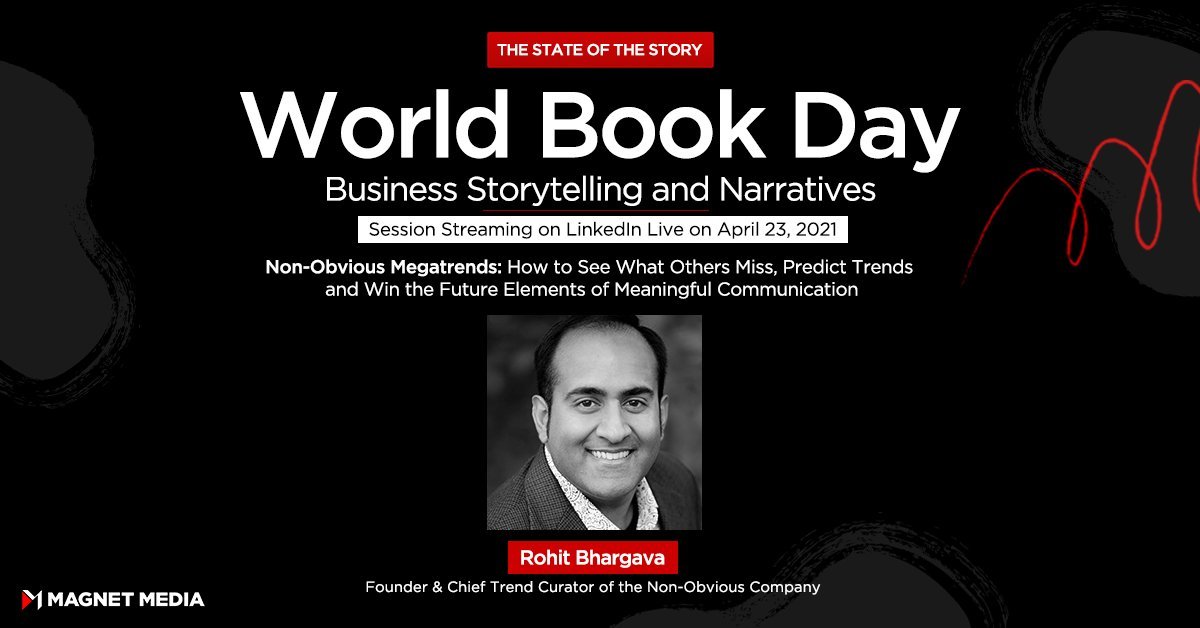 Story 05Watch Me Live On World Book Day
Even More Stories
- Amazon Pilots New Feature To Pay With Your Palm Print at Whole Foods Locations
- The Gender Agenda Experiment Uncovers the Many Ways That Gender Bias Persists In the Ad Industry
- Chinese Automaker Ora Creates Electric VW Beetle Knockoff Created for Women and Inspired by "Castle and Princess Drawings"
- How Interrupting Can Make You A Better Listener
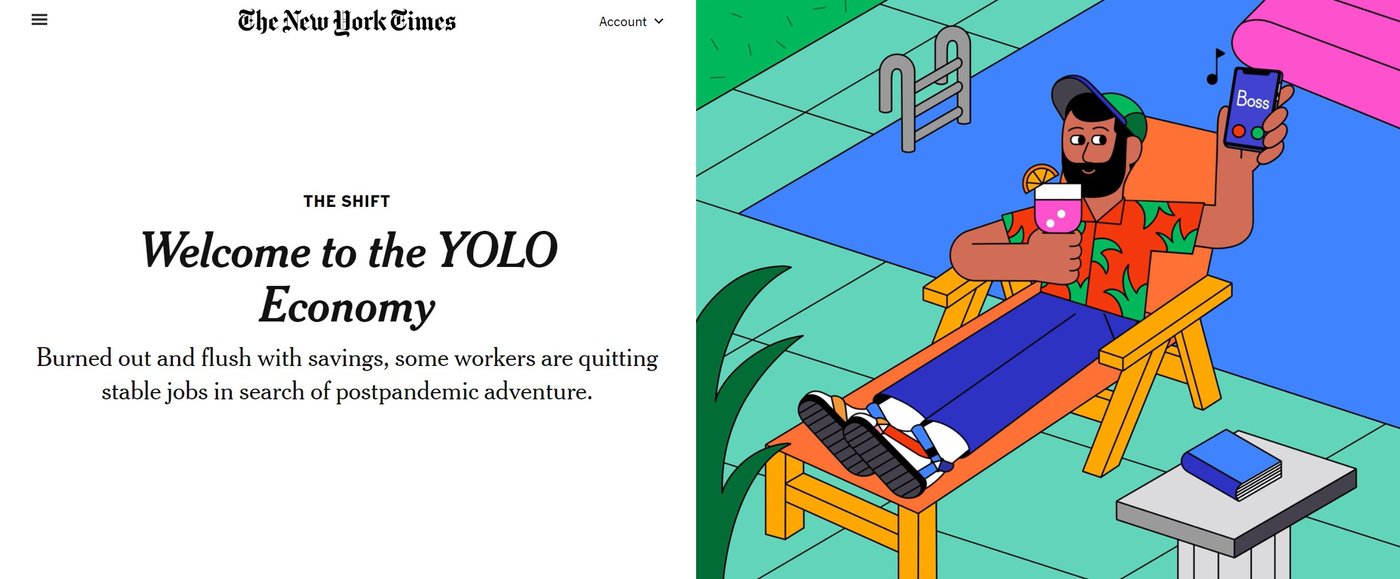
Welcome to the YOLO Economy ... In Some Places
“To some extent, we’re seeing a year’s worth of big life changes starting to accelerate now.”
A curious side effect of remote work over the past year may reinvent the future of the economy in a rather surprising way as more people consider or pull the trigger on leaving their safe yet overly demanding jobs. A NY Times feature this week dubbed this effect "the YOLO Economy" and suggested that one effect of the pandemic may be people getting the inspiration they needed to do what they always wanted. Beyond inspiring more entrepreneurship, the article suggests that the past year also gave employees a clear picture of just how much their employers care (or don't care) about their overall well-being. And the ones that failed to show up will be the first ones abandoned.
The Biggest Marketing Mistake Brands Make During Ramadan
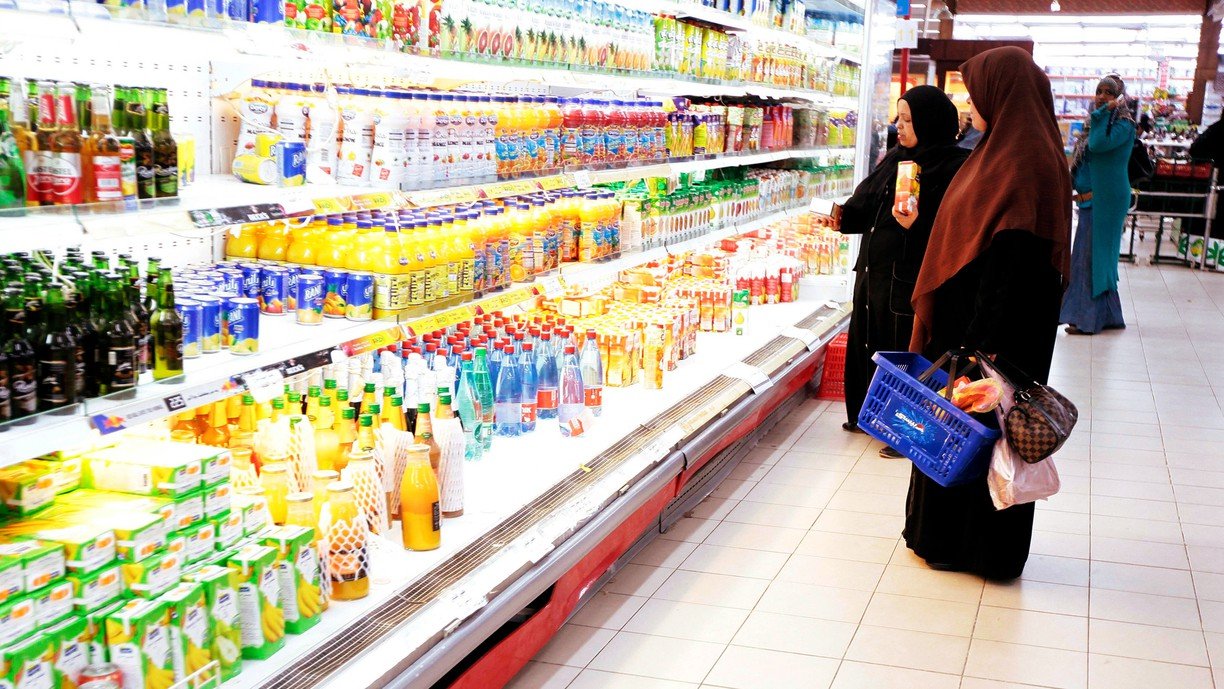
This week during the Muslim holiday of Ramadan, marketing publication The Drum interviewed more than a dozen marketers who either work in Muslim marketing teams or happen to be Muslim themselves about whether brands should reach out or not during Ramadan. The responses widely agreed that yes, brands should be marketing and in fact the religious festival represents a huge undervalued marketing opportunity to reach a powerful segment of consumers. The opportunities shared were wide-spread: from a suggestion that non-profit brands should reach Muslims wanting to give to charitable causes to one executive suggesting FMCG brands should promote new food products to Muslims because she has "always used Ramadan to try new foods and many of [her] friends and family do the same." So what is the biggest marketing mistake brands make during Ramadan? Ignoring it.
Forget Flying Cars. Maybe We Need a Flying Electric Ferry Instead.
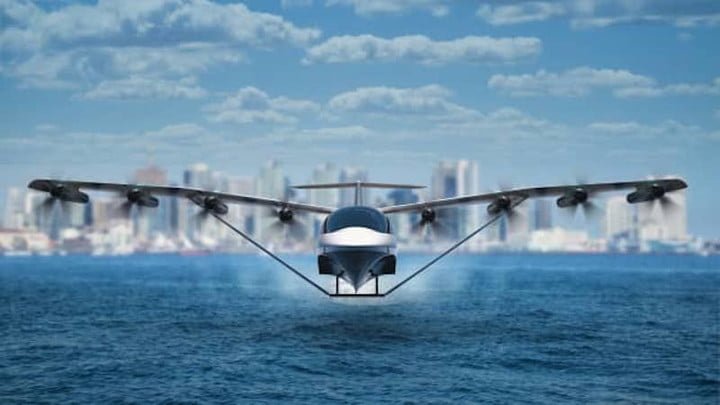
If you think about the future of travel, a super speed electric ferry makes a lot of sense. It could travel over water and use existing ports. It could transform travel between popular routes between coastal cities and apparently avoid serious regulatory delays because of it's low altitude. All of this means that by 2025, this mode of transit might be a common sight, according to Boston-based startup Regent. In the meantime, you can watch this very cool animated video of how the journey will look.
9 Interesting Stories To Read Today For Earth Day 2021
Today is Earth Day 2021 and so I thought I would curate a few of the most interesting sustainability stories of the week for you - starting with retailer AllBirds deciding to make their proprietary Carbon Footprint Calculator available for free. It's a smart move to bring attention to their sustainability efforts - and probably less of a sacrifice than their marketing materials make it seem. Samsung launched a game-changing beta program to help people upcycle their old phones for other ongoing uses, such as converting a phone into a baby monitor.
For some, Earth Day brings a significant sense of "eco-anxiety" - a term increasingly used to describe the debilitating sense of dread people feel about climate disaster. Sustainable plant-based milk brand Silk is responding by offering free "climate counseling" sessions all day. Coors Seltzer is going a different direction, running ads convincing people not to shower on Earth Day, so they can save water. Other stories explore whether sneakers can ever be made sustainably, why making "clean fragrances" is so tricky, what documentaries to watch this Earth Day, and a new book (and soundtrack) featuring some of the unique sounds of Earth - including an imagining of what dinosaurs may have sounded like.
Watch Me Live On World Book Day
On Friday for World Book Day, I'll be participating in a gathering of several authors to share my latest insights about Non-Obvious Megatrends and how the trends have shifted since the global pandemic. Register to watch here >>
#worldbookday
