Pouring Soup on Priceless Art, Skechers Steals Design and Speak With Dead Relatives
What’s In This Issue?
This Week’s Main Stories
 Story 01Climate Protesters Are Pouring Soup On Irreplaceable Art. And It's Working.
 Story 02Why the New Math of Predicting Wrinkle Patterns Matters ...
 Story 03GriefTech Can Let You "Speak" To Your Dead Relatives. Would You Use It?
 Story 04Skechers Built a Brand By Stealing Designs and Ripping Off Competitors. Sadly, It's Still Working.
 Story 05High Tech Cars Are Killing the Auto Repair Shop. Will It Create a Market For "Dumb Cars"?
Climate Protesters Are Pouring Soup On Irreplaceable Art. And It's Working.
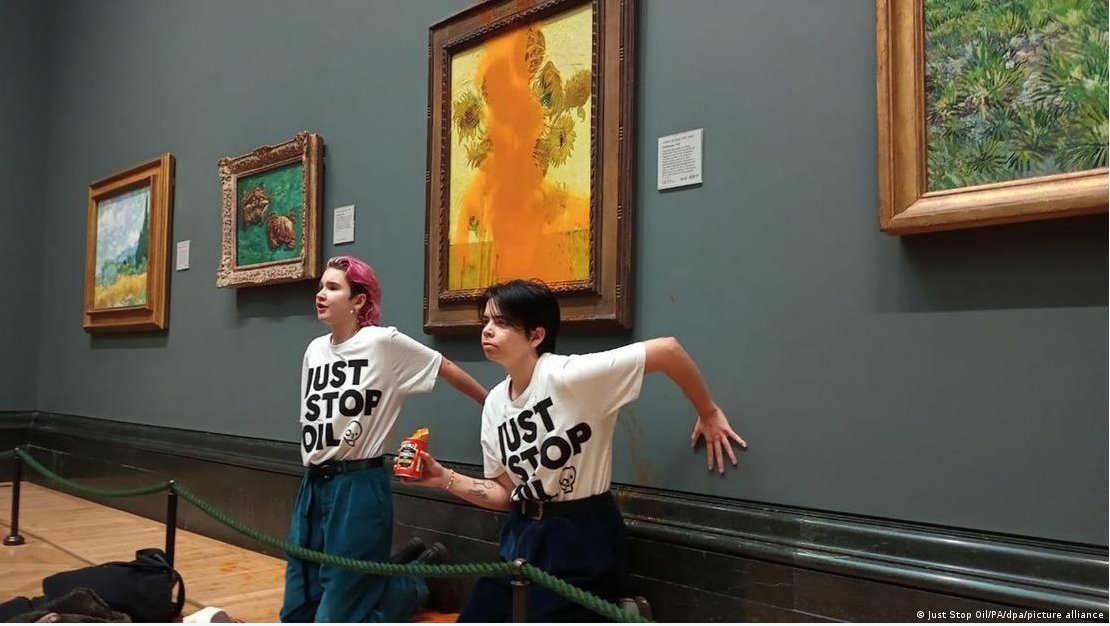
You may have come across the story of climate protesters pouring a can of tomato soup on the priceless Van Gogh painting "Sunflowers" at the National Gallery of London. Or another group that threw mashed potatoes on a Monet painting in Germany. In both cases, the paintings targeted were behind protective glass and therefore unlikely to have been permanently damaged. Alistair Walsh argues in a piece for DW this week that these protests, though distasteful, undeniably seem to be cutting through the spectacle and working. Which raises an obvious question: should we as a culture accept that these types of stunts will continue and may even be necessary to modernize activism and get people to pay attention?
It's hard to condone this type of cultural violence as a good thing. And there are clearly examples of this type of vandalism that goes too far. Yet as Walsh writes, "there is a poetic beauty in the protesters' choices. They are simulating an attack on irreplaceable works of art, just as humanity is vandalizing our irreplaceable planet. You may disagree with the climate protesters' tactics, but they have succeeded in leaving their mark."
Why the New Math of Predicting Wrinkle Patterns Matters ...
A few scientists walk into a room and study a wrinkled piece of paper. It seems like a joke. In this case, though, it's a real story of a five year journey into trying to understand exactly how paper wrinkles and whether that pattern might be predictable instead of a "disordered ball of chaos."
Understanding the behavior of wrinkling (what scientists call "universal mathematical rules of elastic patterns") may seem like the ultimate example of science for its own sake. Yet if we could predict how these patterns happen, the applications could be quite significant. For one, this math could help to prevent certain building materials from being deformed over time. Another use case might be to make things that could be more easily folded and stored in unique ways. Or maybe other applications we haven't even thought about yet.
GriefTech Can Let You "Speak" To Your Dead Relatives. Would You Use It?
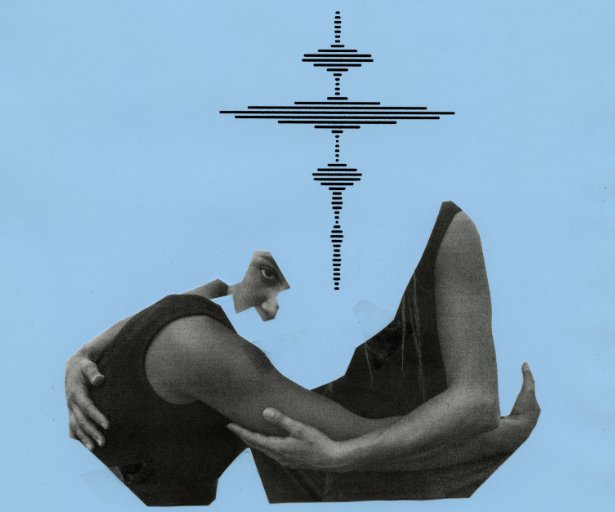
Imagine a world where you could instantly converse with someone who had passed away as if they were still around. This decidedly sci-fi idea increasingly known as "GriefTech" has rapidly become a reality, as Charlotte Jee explores this week for the MIT Technology Review's Mortality Issue. Platforms from companies with names like HereAfter and Storyfile charge a fee to create these digital clones from a series of real interviews they conduct with someone before they pass. Those responses are stitched together into an avatar capable of conversing with the living.
As Jee writes, "the technology and the world it’s enabling are, unsurprisingly, imperfect, and the ethics of creating a virtual version of someone are complex." It is easy to imagine these ethical tradeoffs being a small price to pay, though, for the chance to have just one more conversation with someone who has passed away. Even if it does probably make it harder to let them go.
Skechers Built a Brand By Stealing Designs and Ripping Off Competitors. Sadly, It's Still Working.
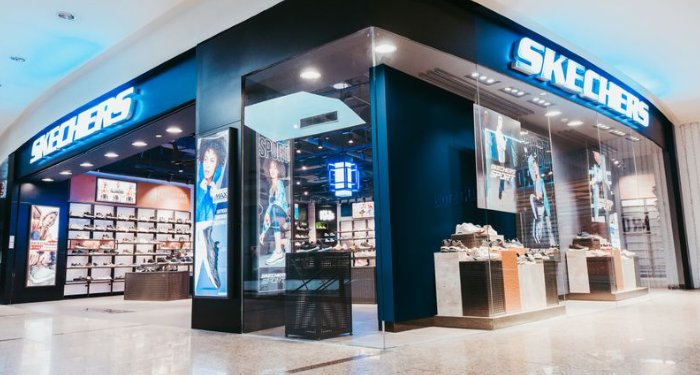
It's been 12 years and I can't buy Skechers shoes. My long-standing disrespect for the brand started when I first learned about their unapologetic rip-off of the concept and design behind TOMS Shoes with their own short-lived charitable shoe concept they called BOBS . The idea at the time that a large brand could blatantly steal another's design and copy it so directly struck me as completely unethical.
As I read this week about the brand's latest push to sue another larger fashion brand for patent infringement, the irony felt pretty thick. When your entire brand has become notorious for routinely stealing designs from others, it's hard to see this latest lawsuit as anything but a disingenuous effort to claim something that wasn't rightfully theirs to begin with.
It is sad that a brand which has been aptly described as "the sneaker industry's shadow" has managed to become the third-largest athletic footwear brand in the US. The most I can do in protest is to avoid the brand and not buy their shoes. After reading their history, you might choose to do the same.
High Tech Cars Are Killing the Auto Repair Shop. Will It Create a Market For "Dumb Cars"?
According to industry reports, cars in the US take an average of 2.1 days longer to repair than just two years ago. Industry experts predict this problem is going to get exponentially worse as auto repair shops today don't have the expensive diagnostic equipment, technical knowledge or replacement parts needed to offer faster repairs. Even routine jobs that once could be accomplished in an hour or two, such as a realignment, can now take up to a full day thanks to all the new sensors and cameras involved.
Will this inconvenience drive people in the future towards older "dumb cars" as the modern frustration with ever present social media has led to an emerging market for dumb phones? While the demand for electric vehicles is likely to grow, given the high prices for fuel, it's not so far fetched to imagine a subset of consumers in the future opt for a more basic car that skips modern conveniences such as lane-change assistance, heated seats, back up cameras and automated parallel parking. It may not seem like it today, but each of those features are pretty unnecessary.
