Polaroid's Blue Film, Why the American Smile Is A Lie and the Year of Women Over 50
What’s In This Issue?
This Week’s Main Stories
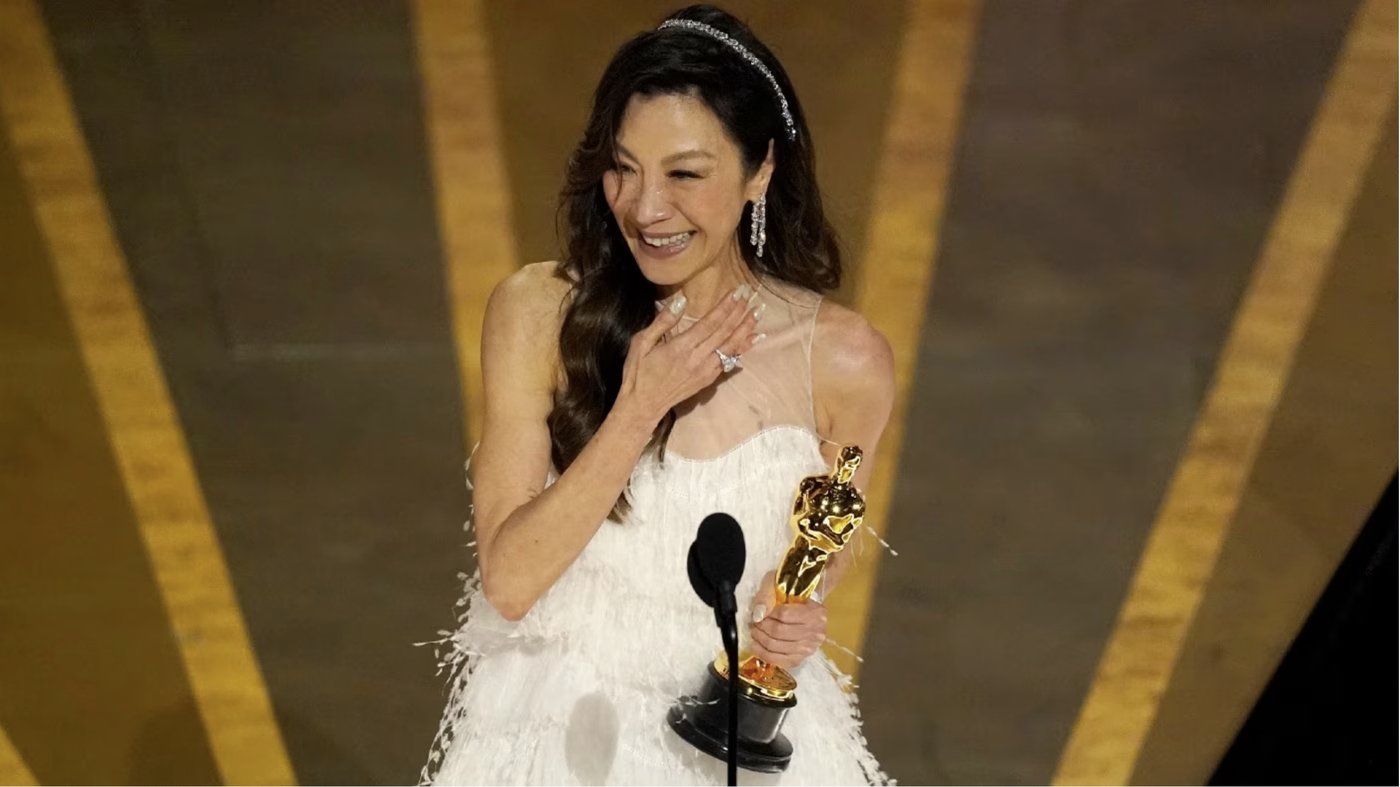 Story 01More People Predict 2023 Will Be the Year of Women Over 50
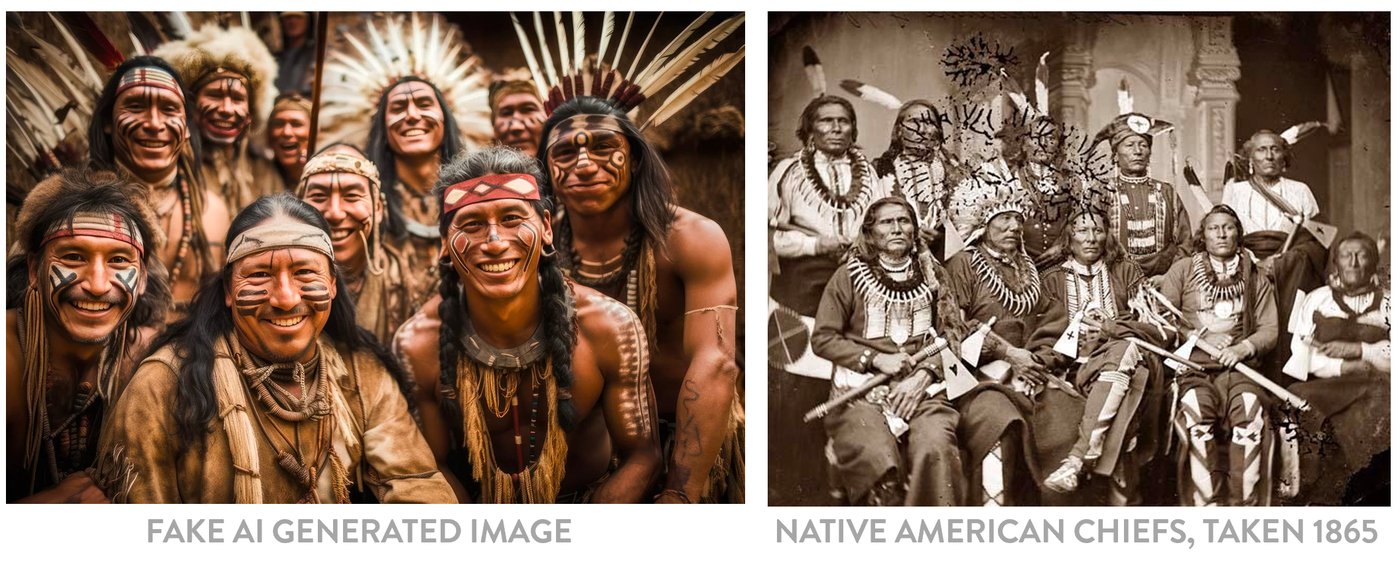 Story 02Why the American Smile Is A Lie
 Story 03Polaroid Finds Marketing Success In A Chemistry Lab Accident
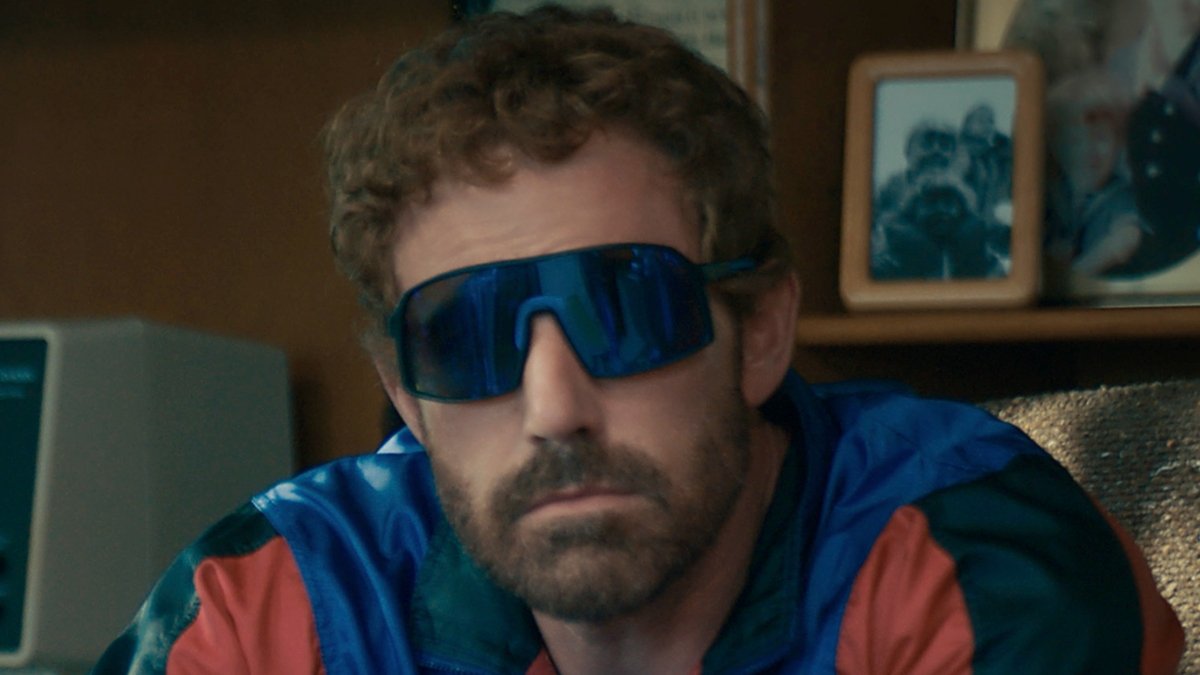 Story 04How Hollywood Is Rethinking Movie Marketing Strategy ... and Why It Is Helping Everyone Win
Even More Stories
More People Predict 2023 Will Be the Year of Women Over 50
When Michelle Yeoh won the Academy Award for Best Actress last month, she offered these inspirational words to older women everywhere: "do not let anyone ever tell you you are past your prime." Now some people are predicting that 2023 could be the year of the 50+ woman - where older women are finally appreciated professionally and respected as important audiences by advertisers.
In other news this week was a story about how Gen X women in their thirties and forties are leaving their corporate roles. Together, these dual stories may signal that women over 50 will embrace their cultural and financial prominence and fill this gap too. Despite the gains, there remain lingering biases and challenges that remain difficult to overcome. For example, as one fashion designer shares: "the only thing keeping my stores open are women 40-plus, but I can’t advertise to them because then the 20-year-olds won’t come in." Unfortunately, until perceptions like these change, there's only so far this revolution will be able to go.
Why the American Smile Is A Lie
The American smile, perfectly signaled by saying "cheese" in photos is one of the most recognizable exports of our culture. Usually meant to indicate friendliness or happiness, it is a gesture that does not send the same signal in other regions of the world. In a fascinating exploration of smile culture and it's effect on AI image generation tools, this article offers a different perspective on the value of the American smile .
If the story of history can be told through the real images that survive, it's important that we appreciate the cultural significance of the contrived smile without applying it to situations where it doesn't belong. In other words history, whether imagined or real, can't always be delivered or understood through a smile.
Polaroid Finds Marketing Success In A Chemistry Lab Accident
Happy accidents are one of the reasons people like instant film. In recent years, Polaroid and it's retro products have made a comeback as more younger content creators are shaking their trademark images and using these instant photos to share moments with friends and fans. Recently, the brand took what was supposedly a lab accident resulting in blue tinted film - and chose to launch that flawed film as a unique product called Reclaimed Blue 600.
While the "popularity" of the new product (it's not yet clear whether it is succeeding) will likely be short lived, the thinking behind it offers some good insights for the rest of us. If you can take your own accidents and turn them into opportunities, you could create your own attention-getting "reclaimed" products too.
How Hollywood Is Rethinking Movie Marketing Strategy ... and Why It Is Helping Everyone Win
On the surface, if a movie with a $130M budget only makes $30M during it's box office opening -- that would quantifiably qualify as a flop. These are the approximate numbers right now for the new Ben Affleck film Air, however the movie is widely being considered as a success within Hollywood. Why?
The answer to this question also explains the new economics of movie making in the streaming era. Essentially, the biggest shift is that theaters are no longer the make or break measure of success for a film. Instead, they are increasingly being used as "marketing vehicles" to gain widespread attention and public awareness of films that are destined to quickly move to streaming platforms.
In this model, everyone seems to win. Actors and filmmakers earn a more generous deal from a streamer. The theaters win because they get access to a film that would otherwise have gone straight to a streaming platform. The streamers get a new avenue to promote their film before making the long tail of their profits via streaming agreements. And consumers get to have a choice to watch a movie on the big screen, or wait to watch it for "free" (assuming a subscription) on a streaming platform. Could the future of the movie industry really be a model where everyone wins?
