Passive Job Seeking, Banned Junk Food Ads and the Evolution of Masculinity
What’s In This Issue?
What Happens To Loyalty In A World Filled With Passive Job Seeking?
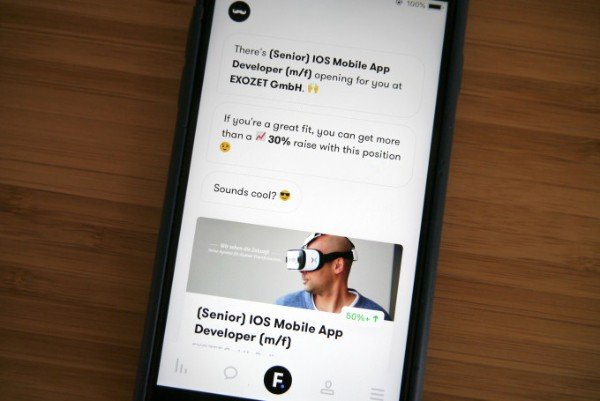
Loyalty, on some level, means being happy with what you have. This week there was another story of a new platform getting funded which offers "passive job hunting." The idea is that you can anonymously enter details about the sorts of roles you might be interested in, as well as the triggers that might lure you away from your current job, and a bot goes off to search the web for your next role. In a world where everyone is constantly bombarded with examples of how the grass is greener somewhere else, earning true employee loyalty may soon be harder than ever. How can any organization hold on to its best people when the temptation to jump ship and work elsewhere is constantly (and automatically) presented back to them in real time?
The Modern Challenges Of Masculinity
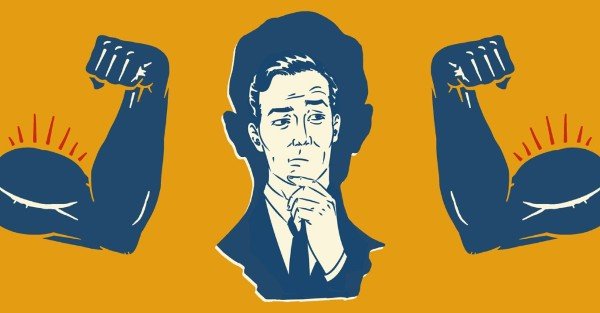
What do men think it means to be a man today in the era of #metoo? This is a question that has been receiving a lot of attention recently. Data analytics site FiveThirtyEight.com commissioned a study that found plenty of fascinating conclusions, including that more than 75% of men don't believe there are any advantages today to being a man at work, and they are "fractured" about their role in society. As a recent piece in The Atlantic about the stifling double standard of masculinity noted, boys are rarely offered the same flexibility to explore their feminine sides as girls are encouraged to act in more "boyish" ways: "It’s a societal loss that so many men grow up believing that showing aggression and stifling emotion are the ways to signal manhood."
As more stories emerge of the rise of gender nonconforming boys and girls (a trend I wrote about in Non-Obvious 2018 and called "Ungendered"), and new truths about men who outspend women on on apparel and footwear and take on the roles of managing the household and child rearing. The expectations for men are shifting today. This evolution of masculinity is the often ignored flip side of the shift toward more female empowerment in our culture and at work, and it's already on its way to becoming a trend for the coming year.
Cadbury Ads Banned Under New Junk Food Marketing Rules

For years unscrupulous marketers pushing unhealthy foods or unbelievable marketing claims have dragged down the credibility of all marketers. Now under a new rule from the Advertising Standards Authority (ASA), junk food ads are not allowed in media where under-16s make up 25% or more of the audience. While Cadbury has become the first symbolic advertiser to have ads banned, the real target won't be brands that make candy (which is obviously not a substitute for a meal), but rather the brands who sell sugary processed unhealthy foods that masquerade as healthy snacks or breakfast foods. Those are the ones most parents would rather shield their children from anyway.
