Nonsense AI Apps, Meta Pushes VR Content To 10 Year Olds and Nonprofit Donations Plummet
What’s In This Issue?
This Week’s Main Stories
 Story 01Can AI Read Your Mind? AI-Powered Journaling Is Here
 Story 02The Ancient Language That Has Grammar Based On The Human Body
 Story 03Meta Lowers VR Age To 10, Making Everyone Think VR Must Be Dangerous
 Story 04Dire Times For Philanthropies As Donations Plummet
 Story 05Can Dating Apps Help Us Make More Friends Without Benefits?
Even More Stories
- Miller Lite Debuts Tiny "Iced" Beers To Cool Drinks Without Watering Them Down
- The Not-To-Do List: 9 Habits To Stop Now From Tim Ferriss
- Karakuri Joins the Growing List of Food Robot Startups That Have Shut Down
- The Cause of Depression is Probably Not What You Think
- Children's Hospital Paz Holandesa Uses Type To Spread Knowledge About Spina Bifida
- 30% of America's Homeless Population Is In California
Can AI Read Your Mind? AI-Powered Journaling Is Here
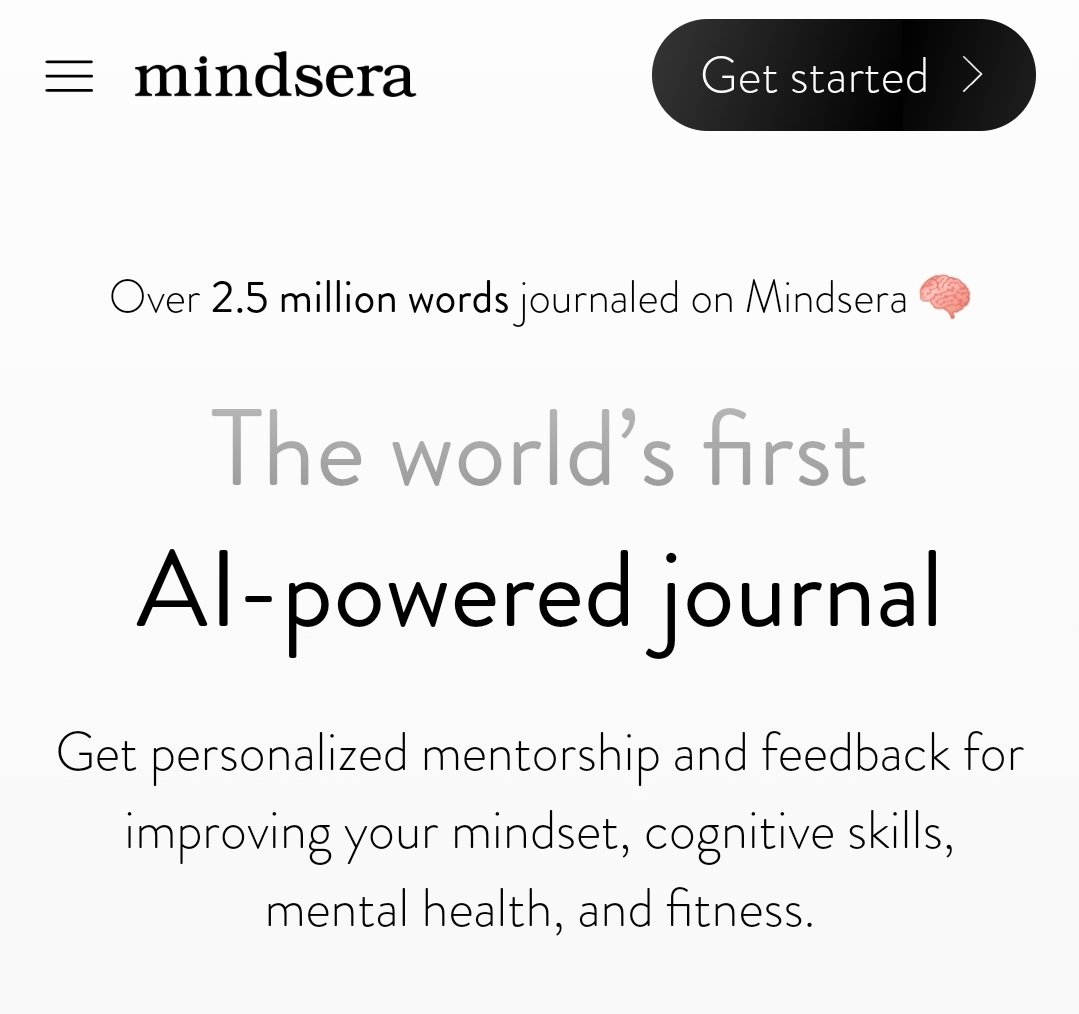
It's got a tagline worthy of an over-hyped Apple launch: "the world's first co-pilot for thinking." The website broadcasts it's credibility with a nonsensical data point: "over 2.5 million words journaled." Even the brand name feels like something an AI-dependent brainstorming session might land on: "mindsera." What does it do, you ask?
The core features come down to generating unnecessary AI artworks based on your writing, analyzing the emotion in your writing to generate "mindset analysis and personalized recommendations" and creating bullet point summaries of your (possibly) rambling writing. If you are in need of inspiration, you can also "get mentored by [AI impersonating] historical figures" like Socrates or Steve Jobs.
Thank to Open AI, there has been a flood of startups like this. All promise to be the "world's first" something. It's tempting to dismiss most of them, or at least to be turned off by the overblown change-the-world messaging. The reality is that most will fail to stand the test of time. Part of staying current, though, is continuing to try them out. Even if they insist on promoting themselves as "the world's first gym for the mind."
The Ancient Language That Has Grammar Based On The Human Body
The language of the Indigenous people of the Andaman Islands was an enigma. Linguist Anvita Abbi returned to the location of the islands in the northeastern Indian Ocean many times to try and decode the dying languages of the people who lived there. Her quest to understand a family of disappearing languages reads like a classic mystery, with the payoff being the discovery of an unusual linguistic structure different from any other language she had encountered before. As she writes:
"Great Andamanese, it turns out, is exceptional among the world's languages in it's anthropocentrism. It uses categories derived from the human body to describe abstract concepts such as spatial orientation and relation between objects."
So, for example, when she asked one native speaker the word for blood - he could only answer once he knew from what part of the body the blood was coming. The word was different based on this detail. When something as fundamental as the structure of language can be this divergent, it reminds us that great discoveries usually come from those who are willing to rethink their most basic assumptions.
Meta Lowers VR Age To 10, Making Everyone Think VR Must Be Dangerous
This week Meta announced they would lower the age to consume VR content from 13 to 10. The announcement had all the responsible guardrails you would expect. Children need their parent's permission. Only selected content deemed appropriate would be available. Etcetera. The problem is, the credibility of Meta is so low that immediately upon hearing the announcement many people tagged the motivation behind it as obviously profit-motivated and assumed VR must pose many dangers to young people that Meta isn't telling us about.
When you have low brand trust, this is exactly what you can expect. Skepticism. Denial. Assumption of negative intent. By and large the brand has earned this lowly reputation through its actions. It's a sad reality for the creators of VR content for young kids, though, which is probably excellent and could really be transformative for teaching children about the world. Until the technology finds a more credible sponsor, though, it will continue to struggle for acceptance. The messenger does matter.
Dire Times For Philanthropies As Donations Plummet
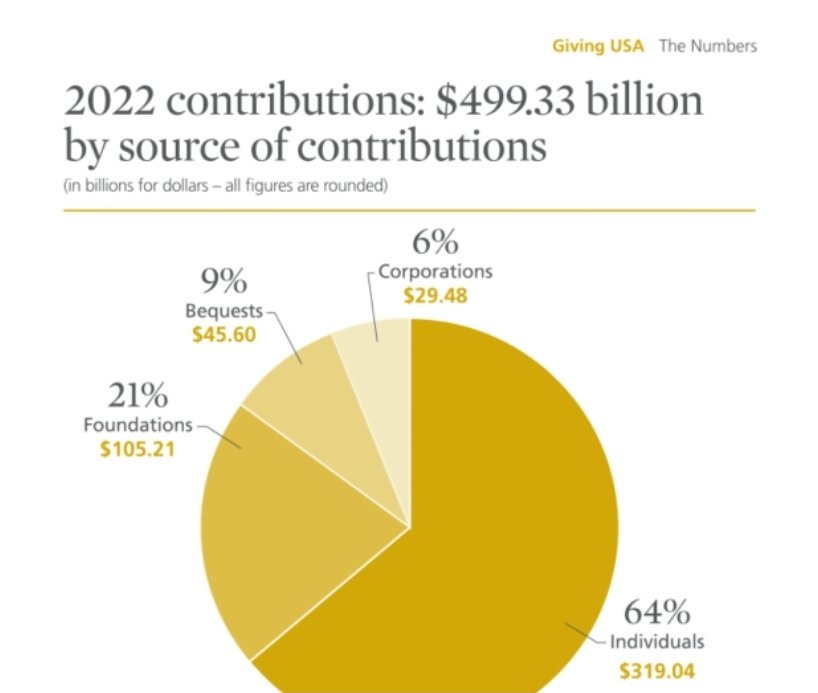
A concerning survey this week spotlighted a dramatic drop in philanthropic giving among individual and institutional donors over 2022. A combination of inflation and the overcorrection coming out of Covid the previous year are generally being seen as the reasons for this drop but it's creating hard times for non-profits in many different sectors. In response, some are launching new initiatives to try and reach more people while others are doing their best to remind past donors that they continue to need their support.
It's a hard message to share right now, as economic uncertainty shows up in the news daily. This isn't solely an economic challenge, though. It's also a marketing one. In a scarce time, the nonprofits that are able to create meaning and get their stories to break through will be the ones that get the attention. In other words, innovating out of this situation will probably require a renewed focus on storytelling.
Can Dating Apps Help Us Make More Friends Without Benefits?
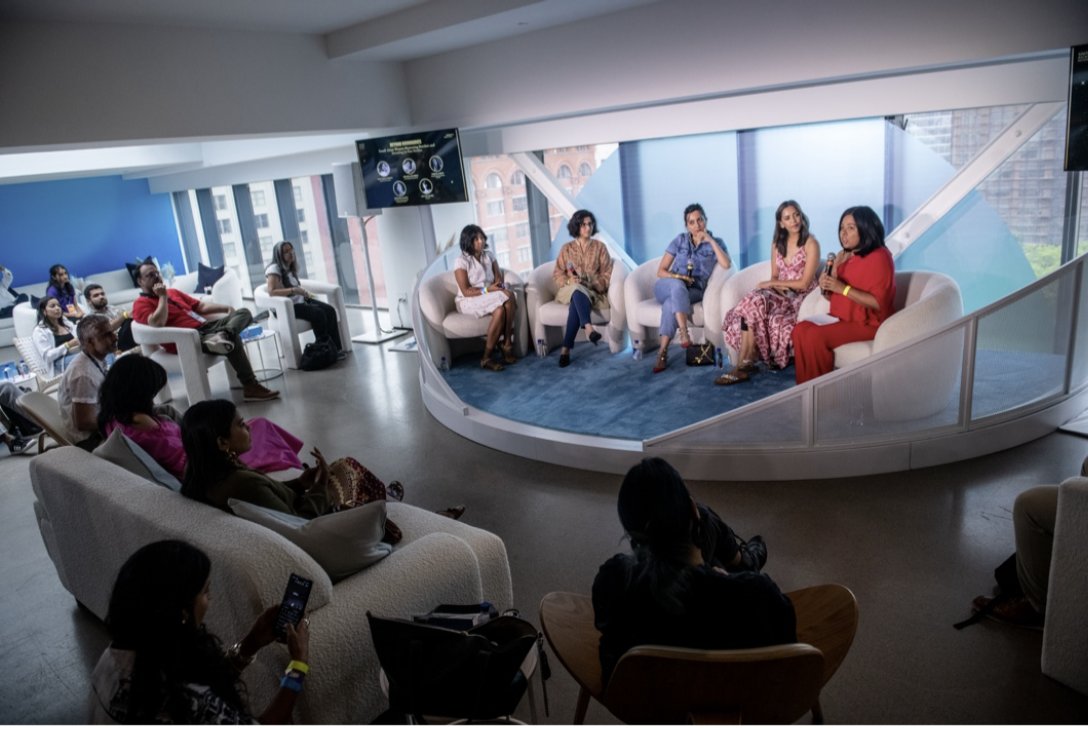
Bumble is a dating app that is testing a new feature to help people find new friends. If the pilot works, this could open up a vast new use case for many apps that are currently focused on helping people make more romantic connections. It could also help provide another solution to combat the increasing global epidemic of loneliness. The challenge, of course, will be how to get more people to adopt these tools and use them in this way. Just because there is a great tool available providing a necessary and valuable human service doesn't mean it will get adopted.
