My New Book Announcement and More Non-Obvious Stories!
What’s In This Issue?
This Week’s Main Stories
 Story 01Hilton Says: Make New Memories, Instead of Being Nostalgic
 Story 02Why Jellyfish Might Be The Perfect Sustainable Seafood To Eat
 Story 03Merck Begins Testing Drones For Vaccine Distribution
 Story 04The Truth About Beauty Focus Groups, From a Tired Moderator
 Story 05Handshake Raises $80m To Help Diverse Young People Land Jobs
 Story 06Book Summary:
Hilton Says: Make New Memories, Instead of Being Nostalgic
Google Photos is using AI to help automatically select your best photos every month to print and mail to you. Fisher-Price created a Instagram virtual toy museum to capitalize on what some industry publications are calling the "consumer nostalgia trend." It's true, we do seem to be retreating backward into our own lives. Movies, video games and experiences from our past are all being recreated (or at least repackaged). But what about new memories?
Inspired by a survey of Americans that found travel was people's most frequently recalled happy memory, Hilton decided it was time to try and fill this "travel memory deficit" by trying to entice people to dream of traveling again. Their "To new memories" campaign aims to spotlight those moments of reconnection that people have been missing over the past six months. It's a smart strategy, no doubt aided by the fact that most Americans live somewhere near a Hilton -- since another survey found that when people do start vacationing again, they are most likely going to do it close to home.
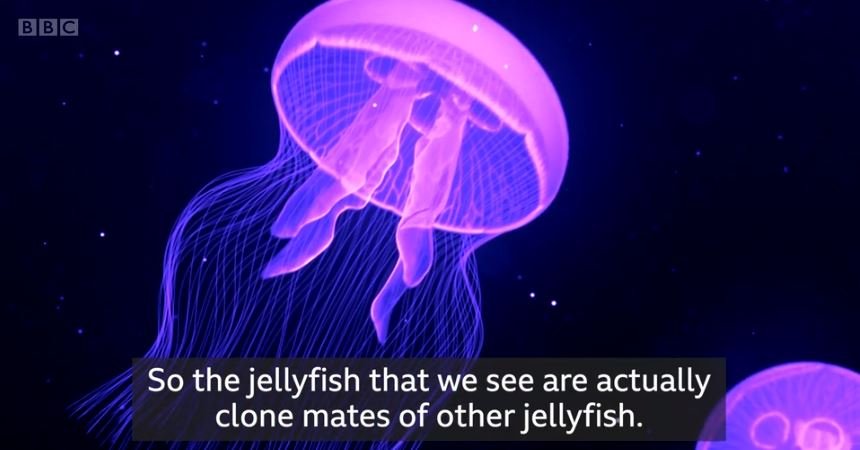
Why Jellyfish Might Be The Perfect Sustainable Seafood To Eat
A new study from Australian researchers proposes that jellyfish might be the perfect food for humans to start eating for a variety of reasons. Apparently most are tasteless and have a texture that has been described as a "mix of cucumbers and rubber bands." Doesn't that sound lovely? Of course, the report is somewhat convenient coming from Down Under given how much exported jellyfish comes from there. But I would definitely try this. I'm a pretty adventurous eater generally ... and I do need to find a replacement for octopus, which I used to love until I watched My Octopus Teacher on Netflix ...
Merck Begins Testing Drones For Vaccine Distribution
Drones have been widely tested for deliveries, so it's not a stretch to imagine they could be used to deliver medicine to hard to reach populations. The most interesting part of this story, though, isn't drone delivery - but rather that the arrival (eventually) of a Covid-19 vaccine will create urgency for governments and aviation authorities to approve drone deliveries. Regulatory groups are usually reluctant to imagine the positive uses and aim to prevent the worst. When millions of people need a vaccine, it could offer a shortcut to normalizing (and legalizing) drone deliveries on a mass scale. It's no wonder industry analysts expect an explosion in drone-enabled commerce and delivery.
The Truth About Beauty Focus Groups, From a Tired Moderator
"In the room, there is a “celebrity jewelry designer,” a “travel vlogger,” a “houseplant influencer,” a “life coach in-training,” and a woman who specializes in “unboxing videos.” But the spreadsheet reads: social worker, educator, professional data entry, bank manager, and pain clinic associate ... that’s okay, though. This dissonance is understandable, and it’s important they have their moment, that quick bump of confidence that comes from validation in a room of strangers. I listen as they describe their morning routines and how the tautness of their forehead is social currency. They will use anything their dermatologist recommends."
This is just one passage from a darkly engaging essay from writer Katiy Heath, who spent the last several years moderating focus groups for skincare companies and is currently writing a memoir about her experience. As I read about her experience, it reminded me of a time in my own past when I was involved in joyless sessions like the ones she described. I suppose there is something to be learned from bringing a group of 18 to 34 year old women together to talk about skincare. Reading Heath's retelling of those sessions, though, is a lot more fun.
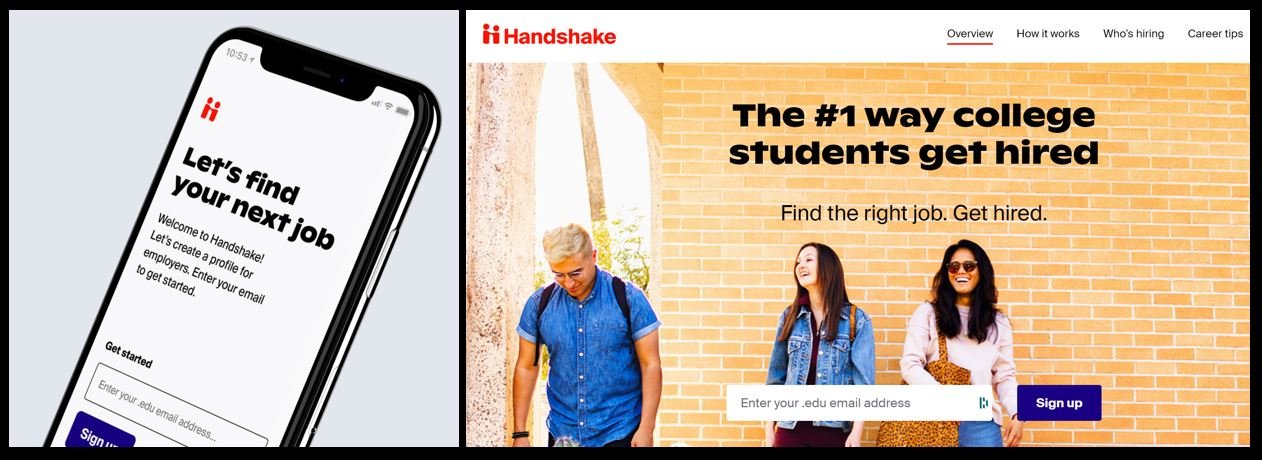
Handshake Raises $80m To Help Diverse Young People Land Jobs
Since the pandemic, employers have no longer been able to go to college campuses to recruit their next generation of talent -- which has created a pipeline problem for everyone. Investors are banking that Handshake might be the ideal solution to step in and help those connections happen better than LinkedIn or any other existing platform. To date, Handshake has forged relationships with community colleges and HBCUs, as well as used a series of virtual events to help recent grads seeking jobs connect with employers. As an employer, I plan to start using the tool to find new candidates. Anything that helps to get more people working is a platform worthy of our support.
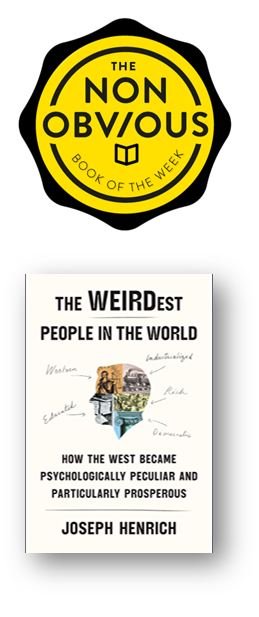
Book Summary:
Unlike much of the world today, and most people who have ever lived, WEIRD (Western, Educated, Industrialized, Rich, and Democratic) people are highly individualistic, self-obsessed, control-oriented, nonconformist, and analytical. They focus on themselves―their attributes, accomplishments, and aspirations―over their relationships and social roles. How did WEIRD populations become so psychologically distinct? This book from Harvard Professor Joseph Henrich offers a deep (700 page!) exploration of this question.
