Malta's Golden Passport, Selling Your Digital Likeness and Why We Glorify Murderers
What’s In This Issue?
This Week’s Main Stories
 Story 01Deepfake Company Fakes the News That They Own the Rights to Bruce Willis' Digital Twin Likeness
 Story 02Why Coke Sponsoring the COP27 Climate Conference Is Good News
 Story 03An NFT That Promises To Help Save Our Cultural Heritage
 Story 04Should We Retell the Stories of Mass Murderers As Entertainment?
 Story 05The Death of the "Golden Passport"
 Story 06Inside the San Francisco Church That Holds The History Of The Internet
Even More Stories
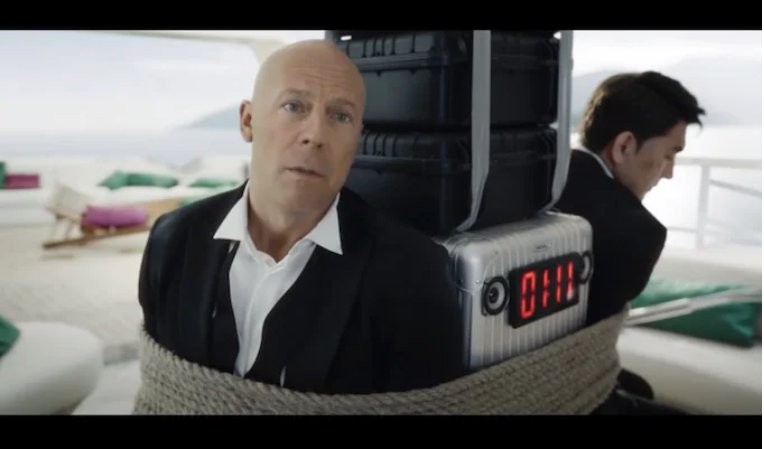
Deepfake Company Fakes the News That They Own the Rights to Bruce Willis' Digital Twin Likeness
The story was fairly ordinary. Bruce Willis, star Hollywood actor who has been unable to continue his craft due to a diagnosis of aphasia (loss of language skills), sold the rights for a Russian company to use a "digital twin" version of him in an ad. It got more complicated when the news broke that Willis sold a deepfake version of his identity to use in any project, which he quickly denied.
Regardless, the story raised some difficult questions about the future of identity, whether it is ethical to deepfake a deceased or incapacitated actor into a series once more and perhaps most interestingly, whether this idea of selling one's digital likeness may represent a big new source of revenue for those who decide their face could be more of a moneymaker when it is faked.
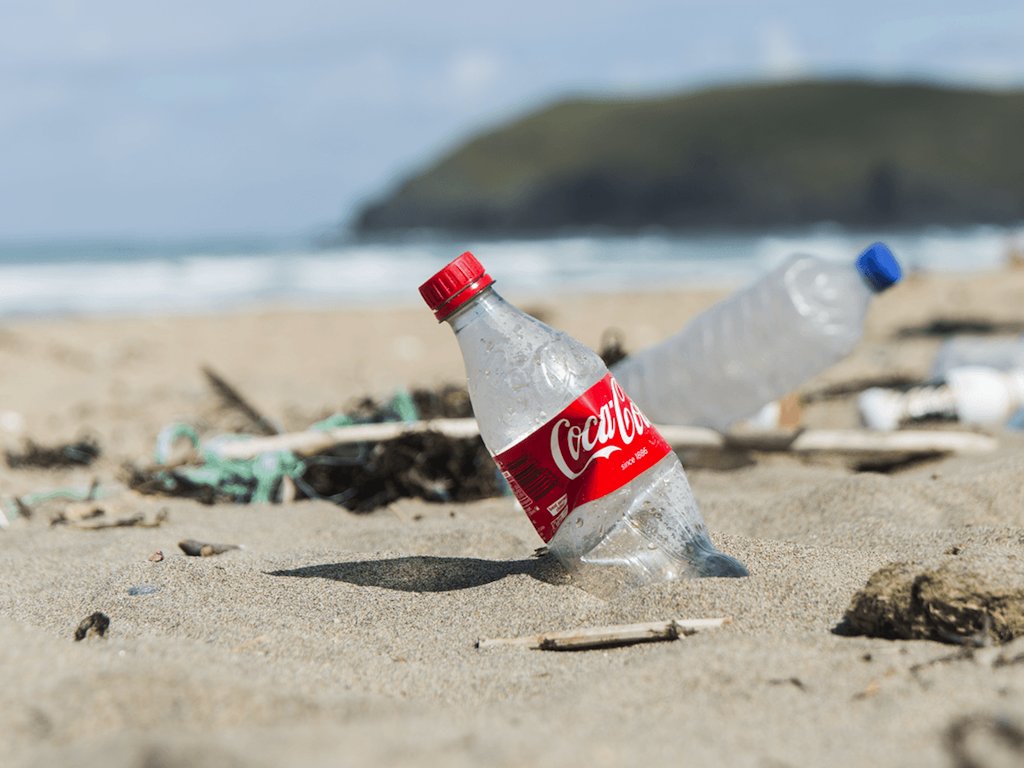
Why Coke Sponsoring the COP27 Climate Conference Is Good News
Coca-Cola has signed on to be a sponsor of the United Nations Conference on Climate Change (COP27) and activists are angry. Greenpeace issued a press release where they suggest that this "partnership undermines the very objective of the event it seeks to sponsor." In response to the assumption of greenwashing, Coke is defending its sponsorship - citing their "ambitious goals" and their track record of raising and donating significant money to promote more sustainability.
Reading several stories about this, it seems to me that the backlash misses the point. It's much easier to hold someone accountable and even influence their actions if they are willing to engage in the dialogue. Instead of organizing protests, imagine if the activists demanded that the conference host candid panels about how Coke's "pledge to reduce 25% of packaging to be reusable by 2030" isn't enough.
Or what if Coke were to announce an initiative that uses their considerable marketing brain power to shift consumer perception so that people who "still want plastic bottles" would no longer demand them? The point is, there is far more that can be achieved in the fight against single use plastics if Coke is involved in the debate instead of being shunned from it.
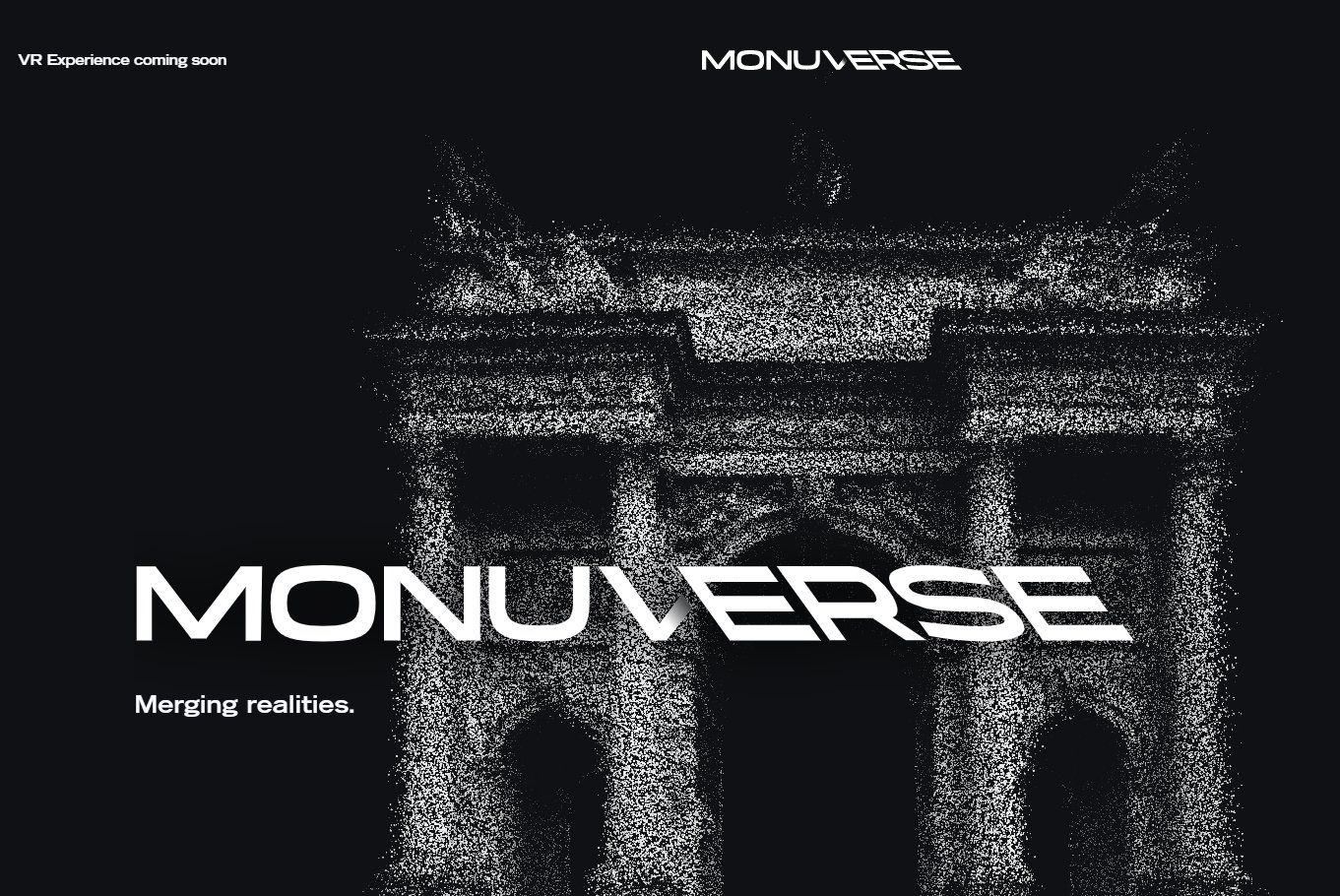
An NFT That Promises To Help Save Our Cultural Heritage
I don't often select stories about NFTs to share ... because a lot of them are essentially about someone selling vapor to someone else with the misplaced perception of value. This week a story about the "Monuverse" struck me as a model that could work while doing some real good in the world.
In the Monuverse, consumers can own part of a digital rendering of a real life monument. Founded with the mission of creating a "tangible bridge between realities," platform co-founder Andrea Salomone says the monuments not only offer a chance for "virtual tourism," but also share revenue to provide "perpetual funding" to preserve those monuments in real life. The argument for how the metaverse can help historical sites is surprisingly compelling.
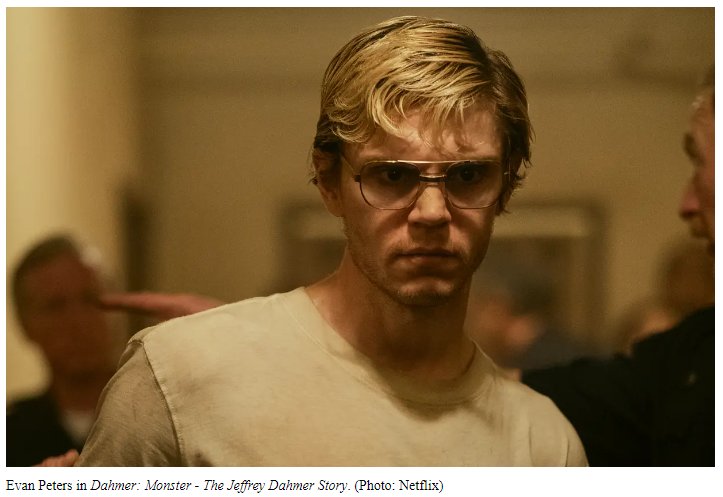
Should We Retell the Stories of Mass Murderers As Entertainment?
There was already a TV show called How To Get Away With Murder , but the new Netflix series Monster about mass murderer Jeffrey Dahmer's life might be similarly instructive. As the new TV miniseries reaches record audiences , many are asking whether the sympathetic portrayal of one of the most notorious serial murderers in US history is doing more harm than entertaining. The show helps audiences empathize with the killer, while forcing victims and their families to relive tragic memories .
An increasingly popular narrative arc in storytelling is to take a classic bad guy and humanize him to flip the story. The bad guy isn't intrinsically bad - but becomes that way through some sort of trauma. When it's used in animated films like Wreck-It-Ralph or Megamind, we're happy to celebrate the redemption of a bad guy who isn't a bad guy. When the same method is used to humanize someone like Jeffrey Dahmer, the valid fear is that it can end up glorifying the horrific in a way that makes future "monsters" aspire to become one themselves.
NOTE - This was my non-obvious story of the week. You can watch the short 2 minute video here >>
The Death of the "Golden Passport"
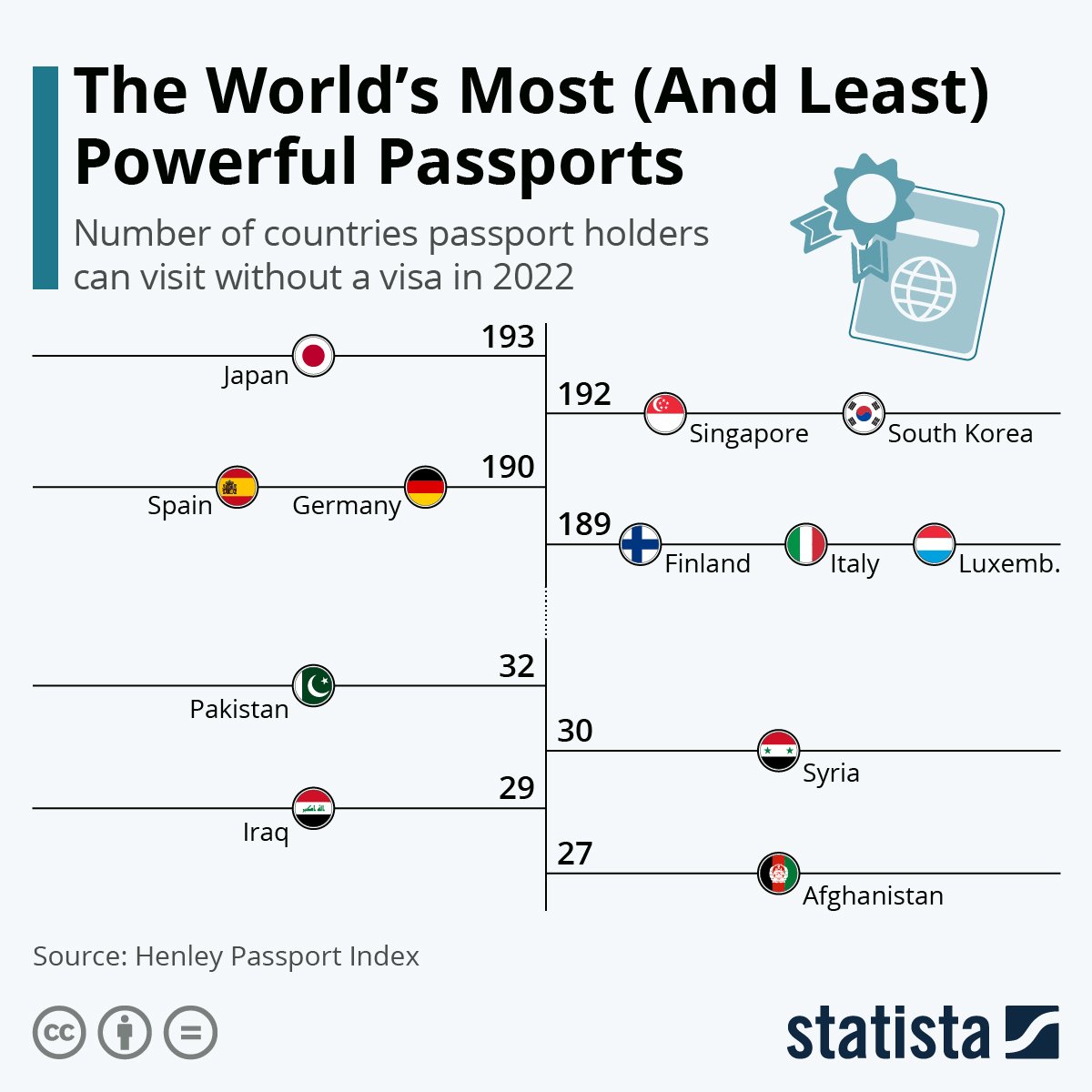
For years the European island nation of Malta has offered what many call the "Golden Passport" - an exclusive citizenship to Malta for wealthy donors who can afford the nearly $1M fee. Critics complain that it enables shady characters to get access to a European passport to move freely through Europe. And more philosophically they argue that citizenship shouldn't be something that is bought and sold. Yet the freedom an EU passport affords is a major benefit depending on which country's passport you currently hold, since there are definitely good and bad passports to hold in terms of the benefits they offer.
Will the European Union successfully intervene and force Malta to abandon the scheme that has netted the tiny country more than $1B over the past decade? Does the program really make it easier for international drug kingpins to travel throughout Europe? According to economics professor Dr. Kristin Surak, "while it’s easy to imagine international criminals flocking to the program, most applicants are just looking for an easier way to travel." That seems believable ... and all the backlash seems more bourne of jealousy from other European nations that haven't figured out a similar scheme for themselves.
Inside the San Francisco Church That Holds The History Of The Internet
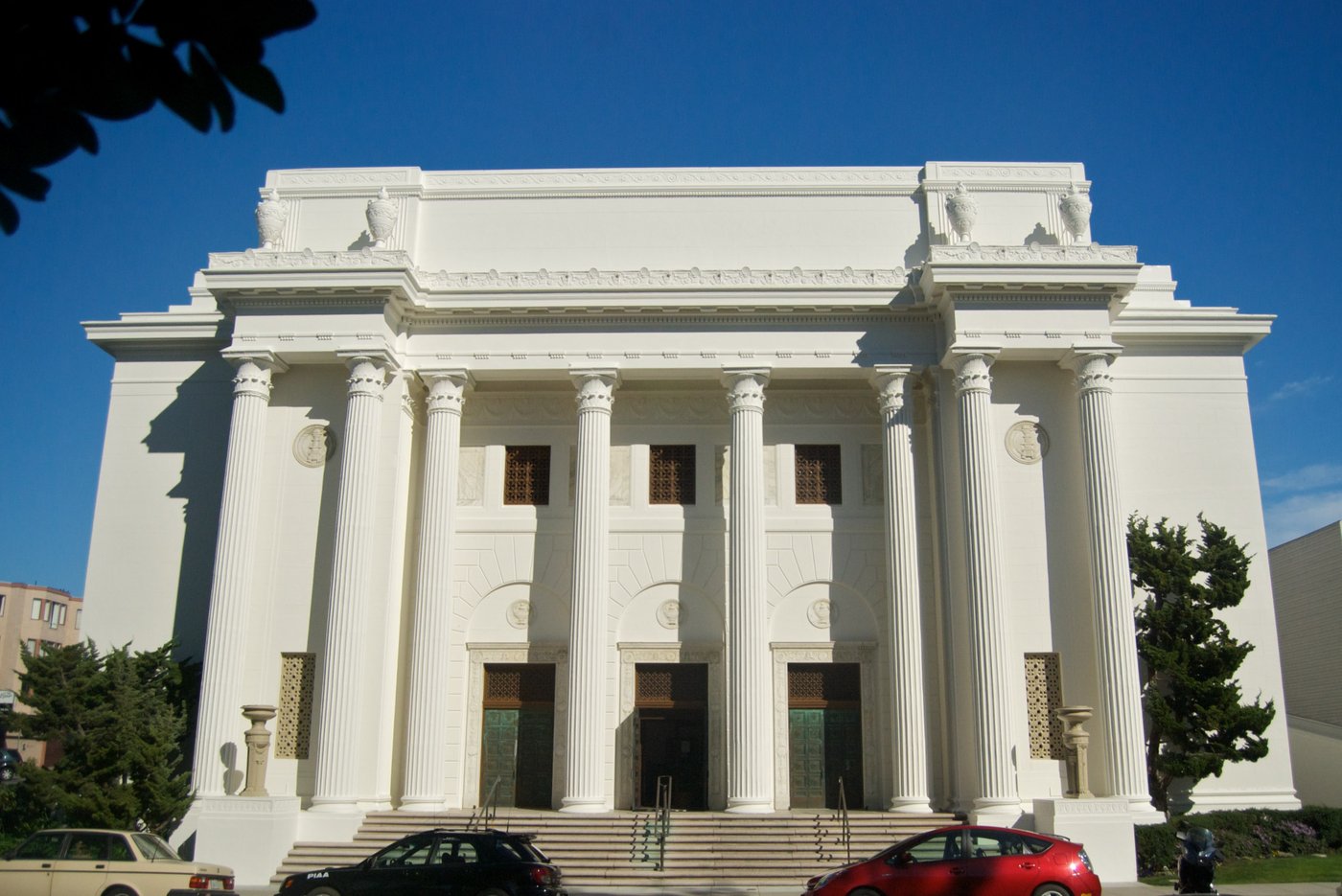
A former church in San Francisco's historic Richmond district holds the history of the entire Internet since 1996. The legendary Wayback Machine is housed there, amidst rows of servers cataloging what is now more than 100 petabytes of information. Most impressively, the founders of the Internet Archive decided long ago that the only way to provide this as an unbiased public service would be to host their own servers and databases so they would never have to answer to cloud computing giants like Amazon, Google or Facebook. The result is an underappreciated resource that deserves our support and advocacy. For the first time, humans have the opportunity to catalog our history with stories that aren't solely written by the victors.
