Lickable TV, the "Distraction of the Century" and Why Gen Z Hates Millennials
What’s In This Issue?
This Week’s Main Stories
 Story 01How Facebook's Metaverse Became the "Distraction of the Century"
 Story 02Research Shows People Hate Tipping Before They Are Served
 Story 03Why Everyone Hates Millennials: The Social Media Generation War
 Story 04Will Work Be Redefined In 2022 By Unions and Guaranteed Income?
Even More Stories
- Inside the Quest To Find the World's Best Rice
- BMW Introduces Color-Changing Tech That Morphs Car Exteriors Before Your Eyes
- Reese's Creates Pointless New University For Peanut Butter Cup Fans Because ... No One Knows
- John Deere's Self-Driving Tractor Stirs Debate on AI in Farming
- Corona's New Beer Adds Vitamin D, Removes Alcohol
- British Tabloid to Pay Meghan Markle Only $1.35 to Settle Years-Long Legal Battle
- Are Case Studies Really The Best Way To Learn Business Lessons?
How Facebook's Metaverse Became the "Distraction of the Century"
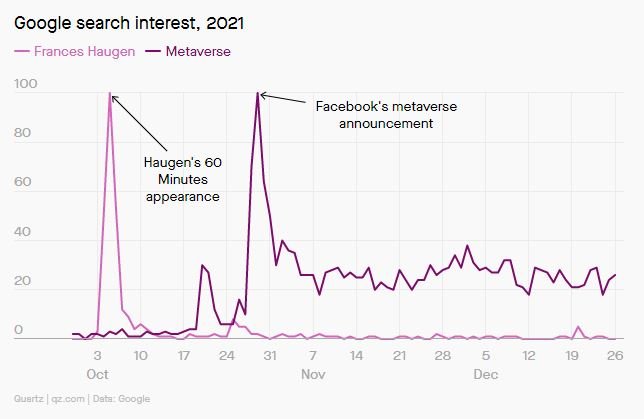
A few months ago, Facebook was having a pretty rough time. Whistleblower Frances Haugen exposed the many ways Facebook was making our lives worse. Then came the Metaverse. Facebook changed its name. Zuckerberg started talking about the potential for a virtual universe that most tech experts still describe as "vaporware" (tech that sounds impressive but doesn't actually exist). And it worked. According to Google search data, the metaverse has shifted the conversation - and in the process become Facebook's "best PR campaign ever."
This isn't surprising. Sustaining interest in an apocalyptic story is hard ... a fact that was brilliantly explored in the thought-provoking new hit Netflix film Don't Look Up (which you should absolutely watch immediately). The point is, focusing the attention of the public on a story of grave importance shouldn't solely be a challenge for media creators. Choosing to "look up" (to use the metaphor from the film) is an individual choice. As we start a new year, each of us will have to fight our own battle to prevent our attention from being stolen and seek the truth for ourselves. Whether you are a person who believes in new year's resolutions or not, this might be one worth making to yourself.
Research Shows People Hate Tipping Before They Are Served
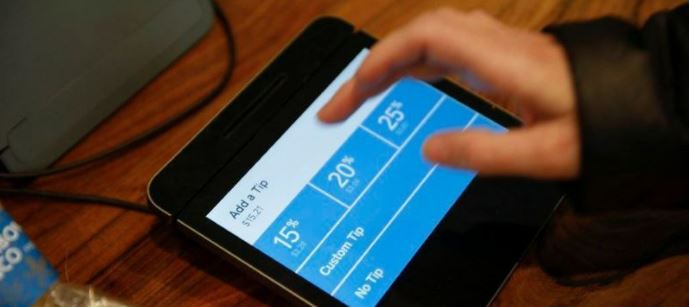
You order a coffee, insert your card or tap your phone to pay ... and then you get the blue screen asking you to add a tip. What button do you press? Do you owe a tip to the server who scans your purchase, delivering the bare minimum of "service"?
A team of researchers decided to explore this "pre-tipping" scenario on point of sale kiosks to uncover whether consumers would be likely to tip higher or lower when asked to leave a tip upfront before any service had been delivered. What did they learn? After studying 7300+ transactions at a smoothie chain, they found that "tips were 75% higher on average at the location that asked for them only after people received their smoothie [because] participants viewed pre-service tip requests as unfair and manipulative."
The entire study strikes me as a perfect example of what my former colleague Rory Sutherland warns about in his recent article on the dangers of letting data blind you to the obvious. I am sure there is compelling data for store owners that quantifies the upside of pre-tipping. Yet the research points to a human truth that should be obvious: people don't feel good about rewarding someone for a service they haven't yet received.
Why Everyone Hates Millennials: The Social Media Generation War
"TikTok has become a core way for Gen Z to express its own ethos, aesthetic, and attitudes—sometimes resulting in outright hostility toward millennials and boomers (though rarely Gen Xers, forever the forgotten middle child). Millennials, especially, are frequently criticized on the app for their perceived immaturity and whining, their predilection for Harry Potter and BuzzFeed, and their overall corniness."
Can you identify a generation through their social media platform of choice? An observant article from The Walrus this week explored what Gen Zers usage of TikTok might reveal about their attitudes toward other generations and Millennials in particular. As the article notes, "while the term millennial is typically used with derision, to signify a supposedly spoiled generation more interested in five-dollar lattes than in home ownership, and used only begrudgingly by millennials themselves, Gen Zers seem proud of their label."
Generational rifts offer a unique perspective into why certain groups of people see the world in very different ways. They point us toward the insight that much of how we each see the world depends on when we grew up. It's hard for anyone to understand a generation that we're not part of. Social media, often blamed for these divisions, might also offer part of the solution. In other words, if you want to understand Gen Zers, TikTok is as good a place to start as any.
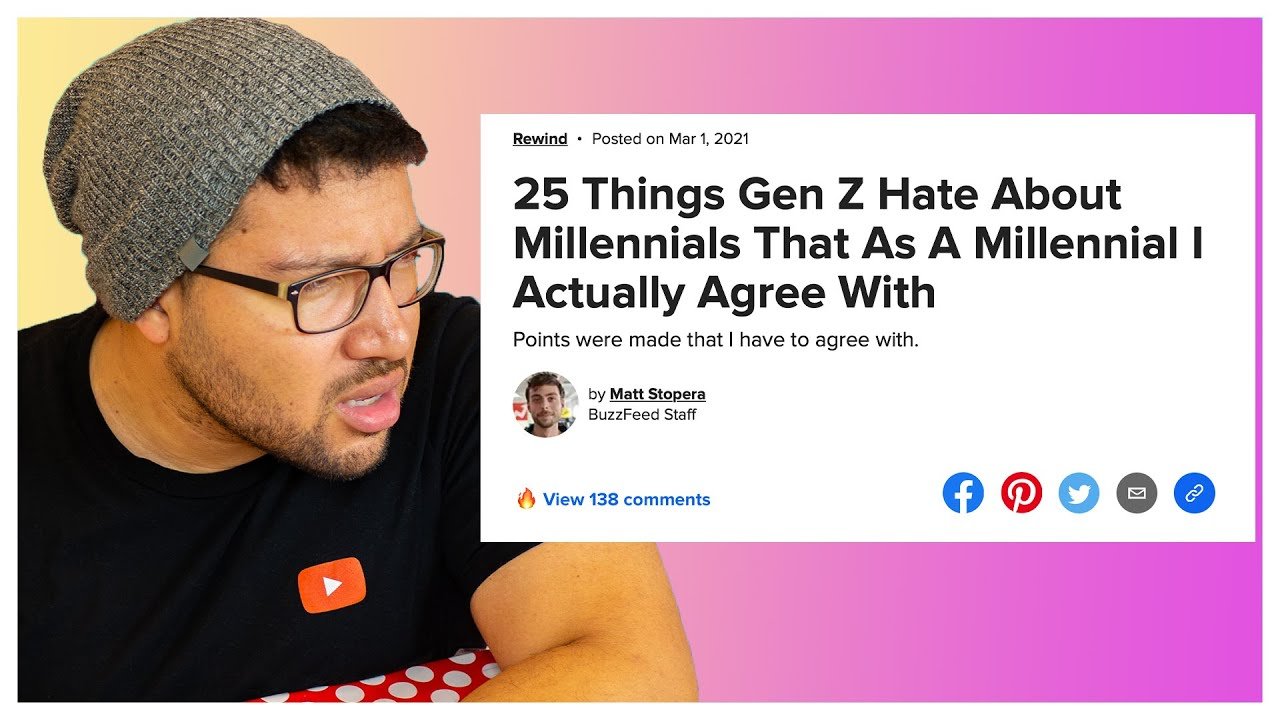
PS - here's the link to the video pictured above.
Will Work Be Redefined In 2022 By Unions and Guaranteed Income?
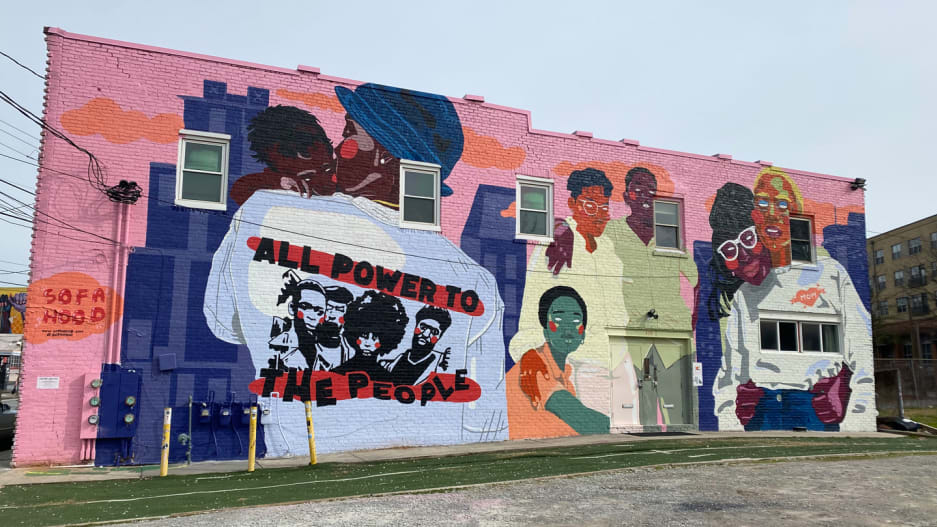
In the Atlanta neighborhood where Martin Luther King Jr. grew up, 37% of Black children live in poverty today. Nearly half of Black households there are living on less than $25,000 a year. In 2022, the neighborhood will take part in "one of the largest guaranteed income experiments in the U.S.—and the largest to ever specifically focus on Black women." The program, called In Her Hands, is hosted on Give Directly, a platform that helps people give directly to people living in poverty. They will enroll 650 Black women into two groups. One will get $850 a month for two years, the other will receive an upfront payment of $4,300, followed by recurring $700 monthly payments. The point is to test which method works better, as well as the model itself.
A few minutes after finding this story, I read another about how popular DC bookstore Politics and Prose announced they would unionize just a month after the first U.S. Starbucks location voted to do the same. Together, these stories may signal a wider shift toward equity and employee empowerment after a year of upheaval and disarray between businesses and their workers resulting in widespread worker shortages and the great resignation. While it's still early, one potential megatrend I'm watching (and you should too) is the steady reevaluation of work itself.
