Japanese Manhole Covers, Old Experts and Your Advance Copy of My Upcoming Book
What’s In This Issue?
This Week’s Main Stories
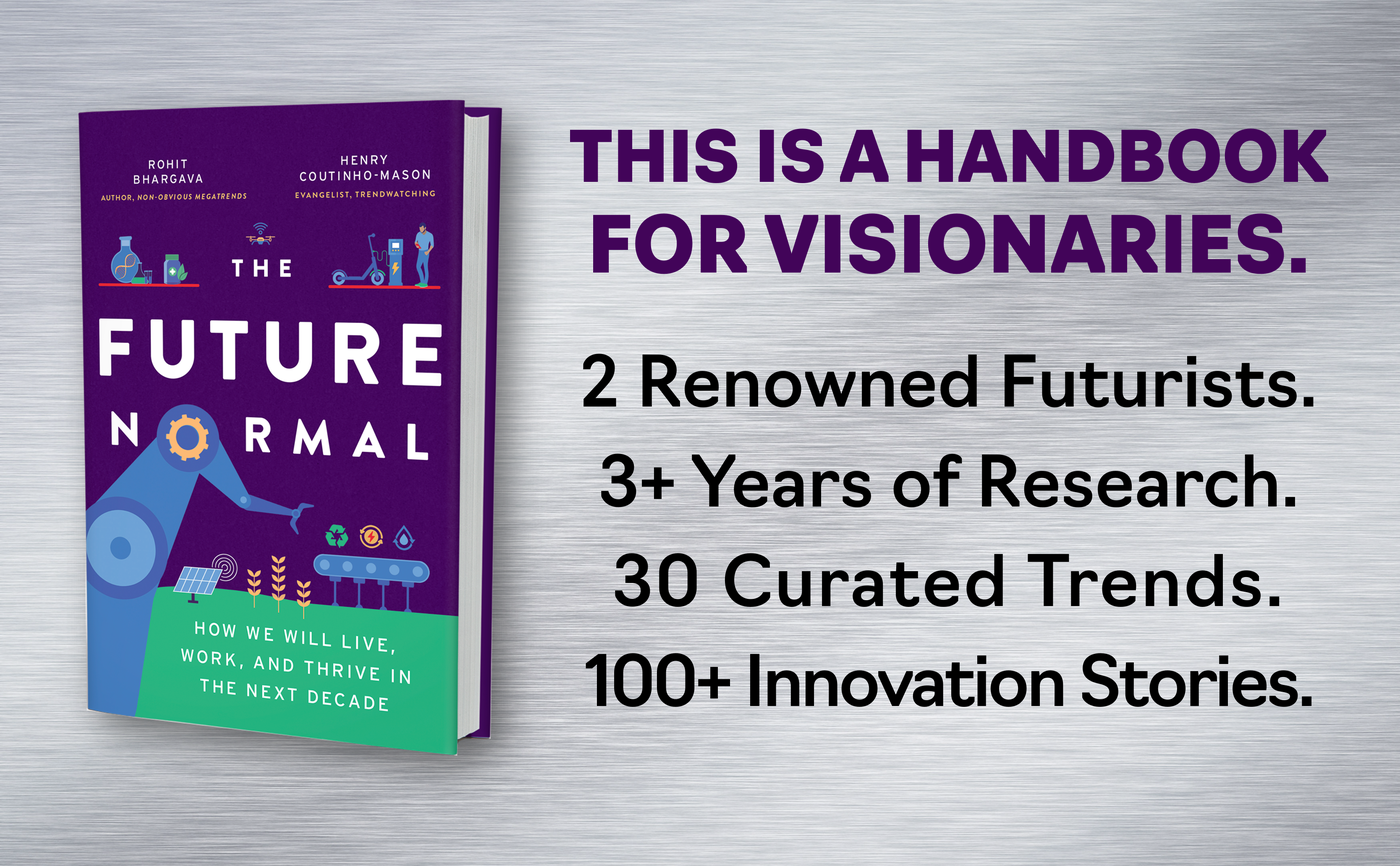 Story 01Want to be one of the first 100 readers of The Future Normal?
 Story 02At What Age Are You Too Old To Be A Working Expert Anymore?
 Story 03Self Repair Kits Are Coming For Cell Phones Thanks To Samsung
 Story 04Store Insults Customer ... or Customer Scams Store? This Story Has It All.
 Story 05What You Can Learn From The Beauty of Japanese Manhole Covers
Even More Stories
- An AI Lawyer Is About to Defend a Human in a U.S. Courtroom
- PlasticFree is a Database of Over 100 Plastic Alternatives for Designers and Architects
- Alarmed by A.I. Chatbots, Universities Start Revamping How They Teach
- ATLAS Robot Is Now That One Worker Who Ignores All the Safety Rules on a Construction Site
Want to be one of the first 100 readers of The Future Normal?
After nearly three years of collaboration with my co-author Henry Coutinho-Mason, our new book The Future Normal is off to print and will be launching at SXSW this coming March! In advance, we are opening up ONLY 100 slots for early readers as part on our Future Normal Launch Team. If you are curious about our latest insights for the future and want access to exclusive behind the scenes content, videos, advance reader copies and some surprise gifts ... you can fill out an application to join the Launch Team here >>
Most of you know I stepped back from doing my annual Non-Obvious trend reports back in 2020 and so this is my first chance to share all new trend insights with all of you in a deeper way. The book features 30 world changing ideas and instigators and spans everything from the impact of biophilic skyscrapers to the rise of second hand consumption. If you love trends and want a glimpse into the forces shaping humanity's next decade, I think you'll love this book. I'll be sharing lots more about the book in coming weeks, but for now - if books and trends are your thing - be sure to move fast and apply for the Launch Team now before all the slots are taken!
At What Age Are You Too Old To Be A Working Expert Anymore?
Would you accept medical advice from a 100 year old doctor? What about strategic advertising advice from a 55 year old ad agency executive? Or board a flight with a 66 year old pilot? In many industries, there are either cultural or mandatory ages of retirement after which professionals usually stop practicing. Some people accept these age limits as a necessary safety policy. Others see it as a form of lingering ageism from a time when people expected to have shorter careers and died earlier.
As our world ages, the hard earned expertise in every sector that remains in the minds of older workers will continue to shift our perceptions around what age is "too old" to be useful anymore. It's time we stopped imagining the elderly as a rambling joke the way Grandpa Simpson is portrayed on the long-running animated series. Instead, businesses who are able to retain the institutional knowledge and experiences of these older workers will be stronger and the experts themselves will enjoy a new era of professional purpose. That's a win for everyone.
Self Repair Kits Are Coming For Cell Phones Thanks To Samsung
Imagine getting your phone screen fixed and not paying some dude sitting in a mall kiosk $200 to do it. The fact that a device which literally goes into and out of your pocket hundreds of times throughout the day is so fragile is a longstanding failure of design ... but now finally Samsung is leading the way among cell phone providers to help you fix those phones after they inevitably crack by offering consumers a self repair kit for many of their Galaxy phones.
In a time when there are still so-called "luxury" device makers that still make products with screens that spontaneously crack if you touch them slightly wrong - the fact that at least one is thinking about how to let users repair their own devices is a welcome change.
Store Insults Customer ... or Customer Scams Store? This Story Has It All.
It was supposed to be a clear cut story of an overly aggressive retailer unloading on an innocent customer. That's certainly how the headline for this story makes it sound: A Woman's Awful Experience Getting Refunded for a $19 Candle on Etsy Went Viral After the Store Kept Insulting Her. As you read the story, though, the conclusion doesn't seem quite so simple. Yes, a woman ordered a candle by accident and asked for a refund. And the store's response was unnecessarily snarky. But then you see the customer's first inclination is to out and shame the retailer on social media, effectively "weaponizing" her voice to extract revenge.
So is the customer always right? Or is this just an extreme use of force directed at an undeserving small business just trying to survive? The way you answer that question might say more about you than either the customer or the retailer.
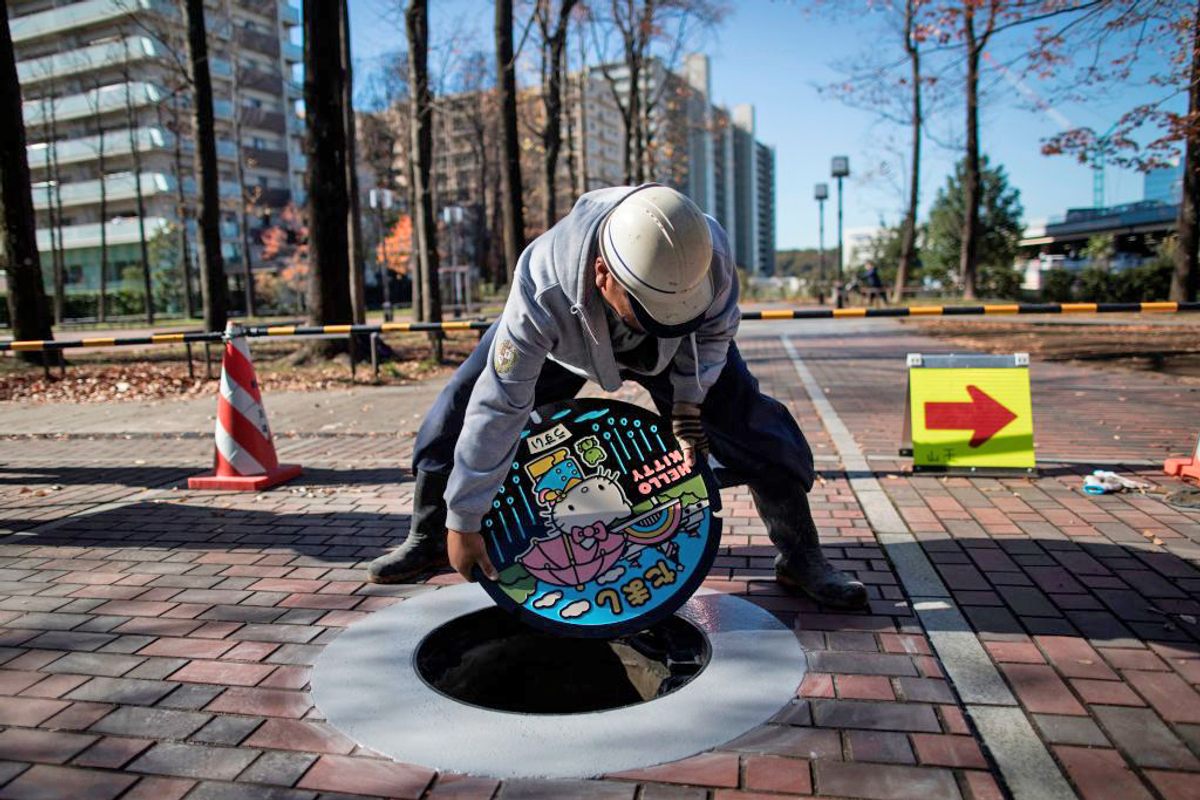
What You Can Learn From The Beauty of Japanese Manhole Covers
Some time ago I remember reading the story of Yasutake Kameda, the instigator who decided back in 1985 that creating beautiful and intricate manhole covers would be the ideal way to sell a skeptical Japanese public on the necessity of modernizing the country's sewer system. The idea has since become a distinctively Japanese example of urban art. This week I watched this captivating video of how those manhole covers are made. Interestingly, they estimate that the added cost of doing these artistic covers is just 5% higher than a regular cover (the color painting adds more expense). While the idea is widely known inside Japan, imagine if another city across the world implemented the same idea. Sometimes the perfect idea to help you stand out and differentiate could be something that is widely known somewhere else.
