How To Find Data That Matters In A World Filled With Quantified Bullsh*t
What’s In This Issue?
Apple's iPhone XS Automatically Uses Filter To Improve Your Looks
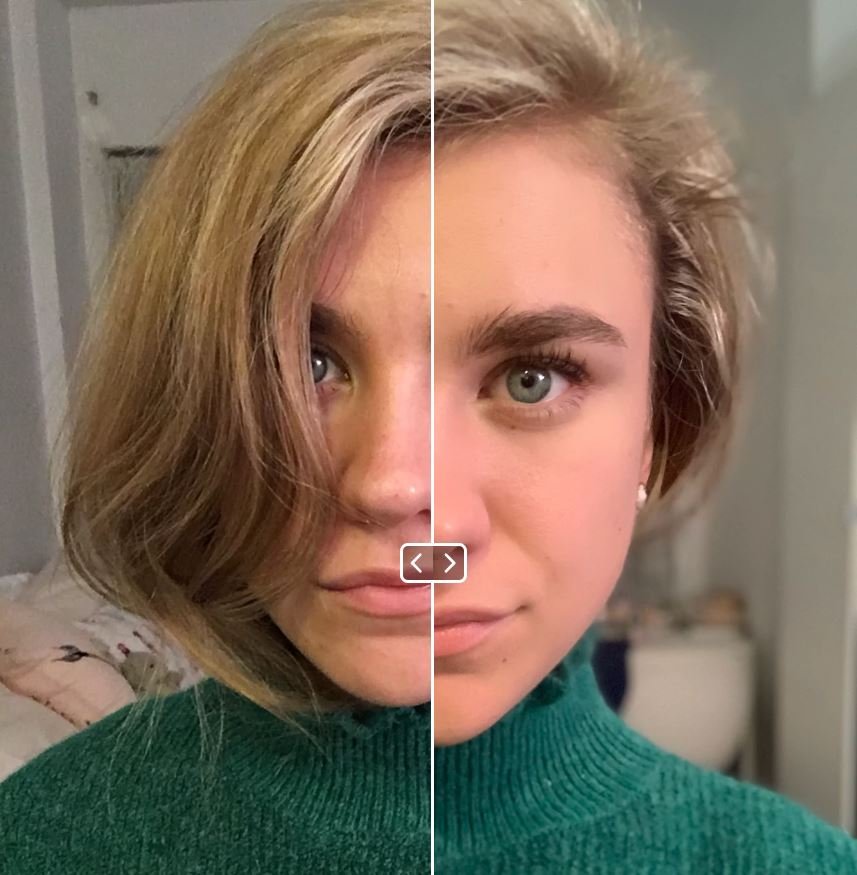
A worrying example of future tech that creates yet another reason to distrust content posted on social media.
Singer Noah Cyrus Sells Her Tears After A Breakup For $12,000
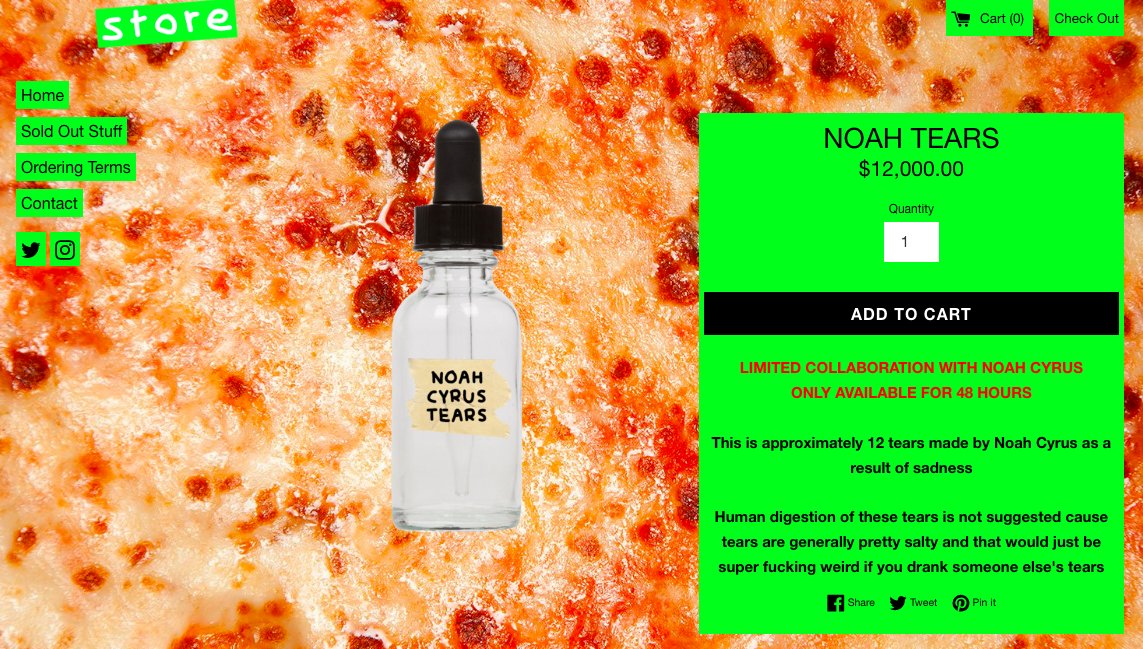
This brilliant promotion for the singer's new album called "Don't Cry" is so clever and human and creepy, it is generating a ton of publicity.
How To Separate Meaningful Data From Quantified Bullshit
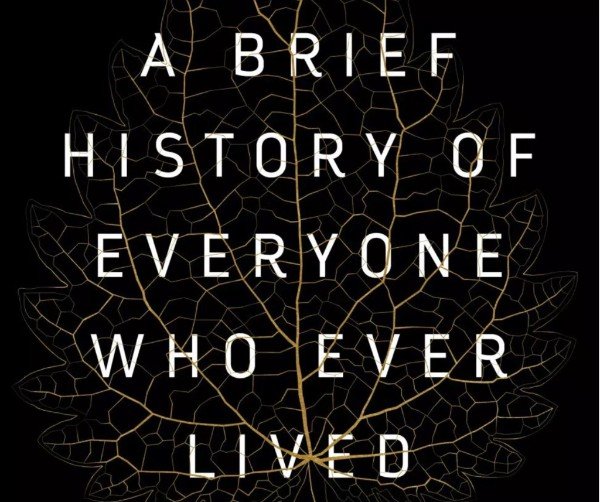
Last year I got my test results from the 23andMe genetic testing and found it to be fascinatingly useless. The numbers told me I was 99% South Asian and offered head-scratching "insights" like that I have an "average chance of hating chewing sounds." This week an excerpt from a new book called A Brief History of Everyone Who Ever Lived devastatingly refers to these tests as "genetic astrology" and debunks the science behind them. It's a compelling read and effectively raises a red flag on the prevalence of data that may be nothing more than quantified bullshit.
This week also had two other interesting data related announcements. The first was that artists can now upload their own music to Spotify and access new data and insights on who is listening. The second was the long awaited launch of LinkedIn Talent Insights, a business analytics tool that will allow you to tap LinkedIn data to see information on your workers and workers at other companies.
Both demonstrate the other side of data - where platforms with proprietary data usually hidden behind closed walls are publicly offering access to small bits of it for very specific uses. As we get access to more data that promises to be somehow personalized, we will all need to build our ability to separate the useless from the useful.
