How Prebunking Fights Misinformation, a Parking Lot Converts Apartment + hile's Constitution
What’s In This Issue?
This Week’s Main Stories
 Story 01Outpainting Allows AI To Complete the Picture of History's Great Paintings ... and Much More
 Story 02What If Today's Parking Lots Were Designed To Convert Into Apartments?
 Story 03"Prebunking" Might Be the Solution to the Misinformation Problem
 Story 04Eight Useful Search Engines To Use That Are Not Google or Bing
 Story 05What Chile's Failed Progressive Constitution Teaches Us (Once Again) About Human Nature
Even More Stories
- www.worldcat.org
- Is Hong Kong Dying? Why So Many Expats Are Leaving the City
- Will Apple's New Passkeys Finally Kill Passwords For Good?
- 78% of People Believe Brands Can Do More to Deliver Happiness
- Copenhagen Creates Art Project With 50 Empty Pedestals and No Statues -- To Highlight the Absence of Memorials Commemorating Women Throughout Denmark
- The Amazon Conveniently Pauses Reviews After Its Own Show Gets Low Ratings
- NASA Livestream: Watch NASA Planetary Defense System Smashing An Asteroid on September 26th
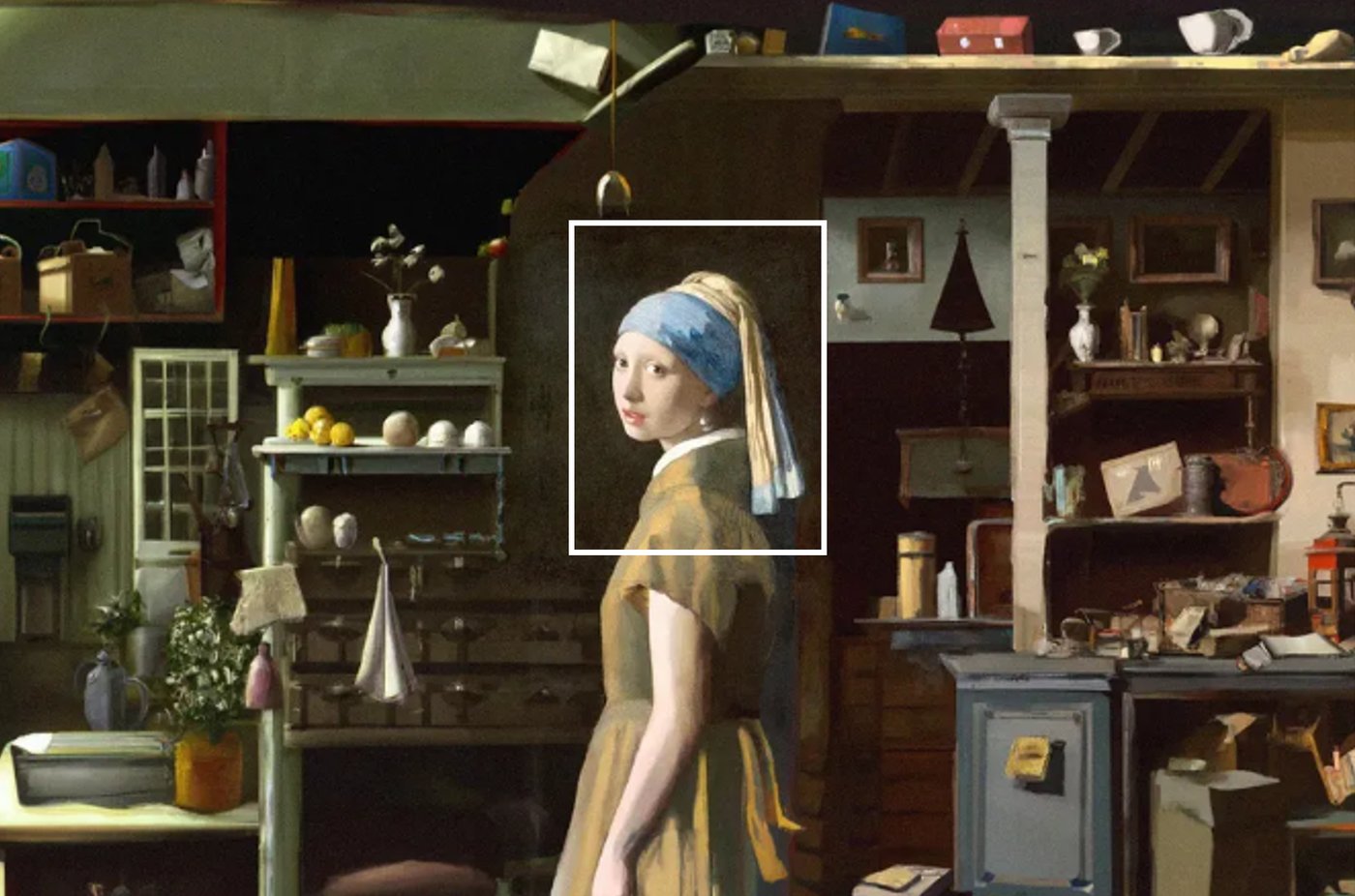
Outpainting Allows AI To Complete the Picture of History's Great Paintings ... and Much More
Ever wondered what was happening just outside the frame of some of European history's most recognizable paintings? What about the full picture behind the iconic Paramount logo? Those are just two examples of images that were recently run through the openpainting feature from OpenAI in order to illustrate how AI technology, combined with human direction, can be used to complete the picture outside the picture.
These fascinating fabricated images are an intriguing reminder that there is always a hidden part of any scene. In the past, we had to imagine it ourselves. Now technology can help us do it. Combined with the recent news of AI-generated art winning a fine arts competition, it seems clear that this marriage of human creativity fueled by technology may lead us to an exciting new type of storytelling.
Unlike what the sensationalized headlines might have you think, these aren't examples of AI replacing human artists or creating something from nothing. Rather, they are examples of how technology is offering artists a new canvas create art in a way that was never before possible and incite a worldwide discussion. Isn't that what great art has always done?
What If Today's Parking Lots Were Designed To Convert Into Apartments?
Parking lots are an eyesore and steal livable space in many cities, yet they have always been treated as a necessary urban evil. But what about in ten years? Or twenty? As cities build out more convenient and faster public transportation, many of these current parking garages may not be so useful in the future.
Anticipating this, a duo of architecture firms in Calgary have created the design for a convertible parking lot that can easily be repurposed into a residential building or offices when needed. This concept of repurposing instead of building something that will surely be demolished eventually is far too rare. The industry calls this adaptive reuse architecture. Maybe a better name could help the idea catch on more. Any ideas?
"Prebunking" Might Be the Solution to the Misinformation Problem
If debunking is proving something wrong after it has already been released, "prebunking" is the idea that you could prevent lies from being believed if you could warn people about the deception before it happens. A recent Poynter article this week suggests that this type of "mass inoculation" might be effective in fighting misinformation and helping boost the credibility of media overall.
The official definition of prebunking is to "preemptively refute expected false narratives, misinformation or manipulation techniques." That sounds like a brilliant idea in theory. The question is, could this actually work in real life? I believe it could.
The one thing that has always been true about liars and manipulators is that their tactics are often quite predictable. As much as fact checking and the people who do that work are desperately needed, the opportunity for a concentrated effort around prebunking lies seems like something we should all support even more vocally and listen to more.
Perhaps one day there might even be a job title for someone who does this professionally. Senior Prebunker. I like it.
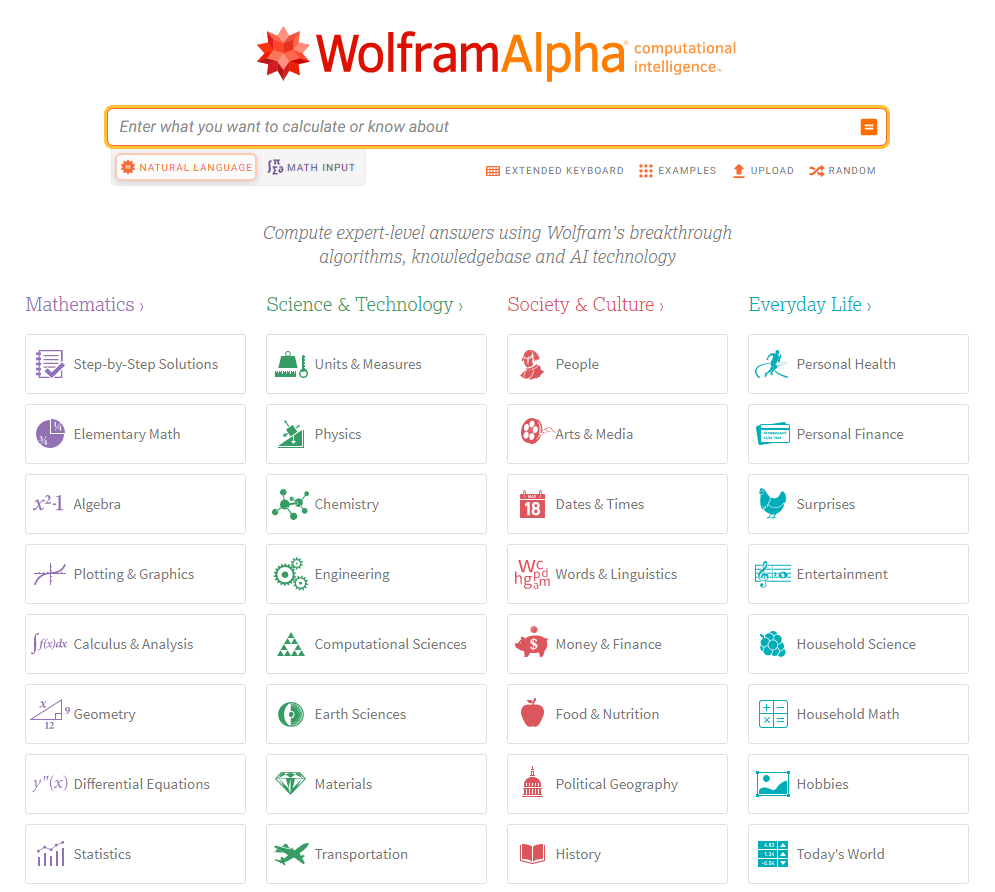
Eight Useful Search Engines To Use That Are Not Google or Bing
Imagine if there were other search engines besides Google!
Yes, that was sarcasm. Of course, there are other search engines ... and I'm not talking about Microsoft's Bing. There are quite a few niche search engines that might actually work better than Google for all types of searches.
This week, I came across a LinkedIn post that got me thinking about this, so I compiled a few of my favorite resources for you (let me know if I missed any that you often use!) ...
- www.wolframalpha.com - the search engine of choice by data enthusiasts, scientists and super geeks around the world.
- www.duckduckgo.com - a hugely popular search engine the does not track your actions and promises a higher level of online privacy. The platform also just introduced an anti-tracking email service that looks promising as well. Set up your email here >>
- www.worldcat.org - a search engine focused on global library collections
- www.buzzsumo.com - search engine focused on content ideas to help you find popular topics and concepts that are frequently shared.
- www.openverse.com - useful search engine to find content that is open source and available for free usage online.
- https://link.springer.com - the scholarly search engine accessing more than 10 million scientific documents, books and articles
- www.boardreader.com - a search engine specifically for message boards online that sometimes can help turn up obscure conversations.
- www.science.gov - U.S. government search engine for more than 2200 scientific sites.
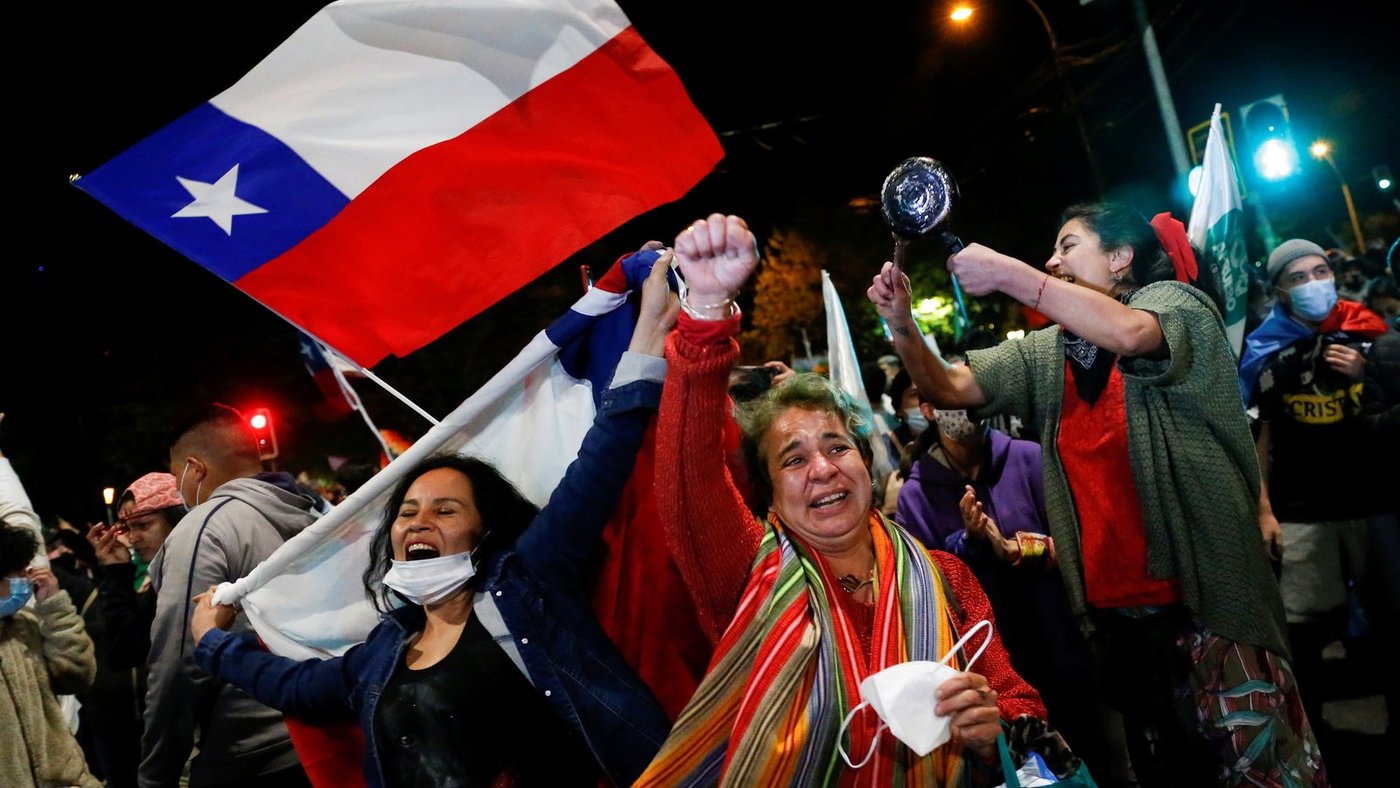
What Chile's Failed Progressive Constitution Teaches Us (Once Again) About Human Nature
On September 4, the bold political experiment of a sweeping new Chilean Constitution was struck down with 62% of people voting against it. The "left-leaning" Constitution "would have enshrined over 100 rights into Chile’s national charter, more than any other constitution in the world, including the right to housing, education, clean air, water, food, sanitation, internet access, retirement benefits, free legal advice and care 'from birth to death.'"
The draft constitution was alternately praised for being "steeped in science" and criticized as "absurdly utopian." Everyone did agree on one thing: the scope of the proposed Constitution was vast. Probably too vast.
In a country facing rising inflation and crime, the 170 page proposal inspired "widespread uncertainty about its implications and cost." There was, in other words, too much to agree upon too quickly. Change, no matter how desperately needed, usually only comes in small bursts when you're dealing with something as large and complex as an entire nation.
