How Marketing Lost Relevance and Why You Can't Trust Your Earliest Memories
What’s In This Issue?
Belgian Monks Resurrect Recipe For 220 Year Old Beer
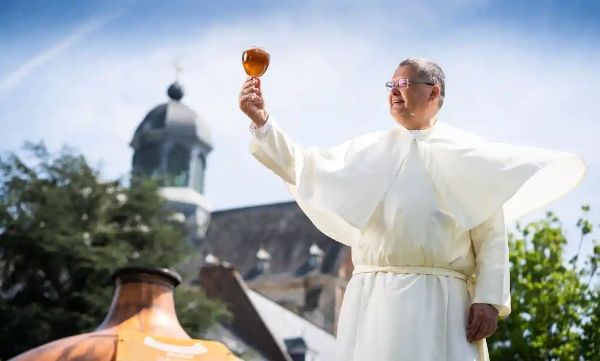
It feels strange to admit, but there is something delightful about a photo of a Belgian monk holding a glass of beer triumphantly toward god. This story is all about monks who found a 220 year old recipe for a beer and spent four years working to resurrect it. If ever a story deserved celebration, it's this one. And have to make this triumphant monk pictured above my new screensaver. I just feel like he earned it.
How To Terraform Mars ... Or At Least Imagine It
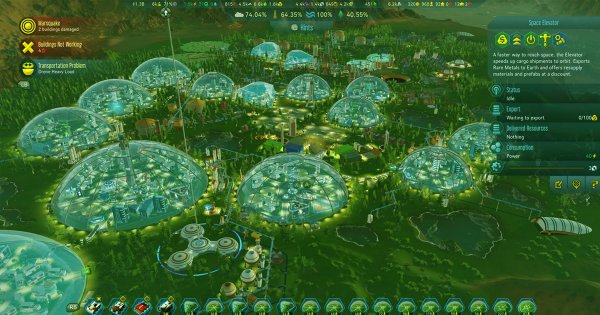
The most beautiful thing about science fiction is that it helps us to explore our potential future. Sometimes video games can help us do the same, including this story about one that lets its players terraform Mars. While everyone except Elon Musk might believe this to be impossible, it's still an interesting example of imagining a possible future, which is ultimately what games and fiction can be great for.
Can You Trust Your Childhood Memories?
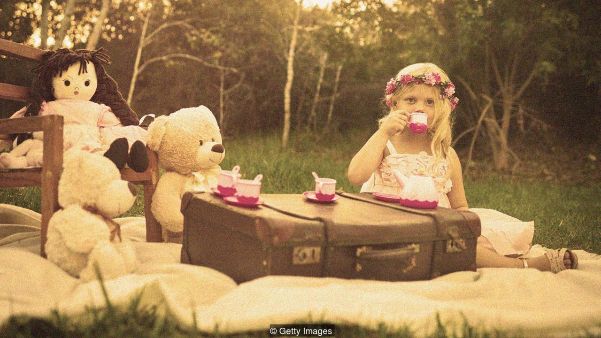
Anything you remember before the age of 2 probably never happened. That's just one among many interesting insights about how our memories work in this article all about how we can't trust our earliest childhood memories.
I've been thinking a lot about memory recently because I'm currently reading a book about the science of memory (and how to improve it) called Moonwalking With Einstein. The premise of the book is that anyone can learn certain habits to improve their memory.
The fact is, technology offers a shortcut that is already reducing the need to remember anything. At the same time, social media can provide a perfect memory of the reality of moments in our life we might prefer to forget or at least remember differently. In the past, memory was how we recalled and preserved our history. Today it is a task we increasingly outsource to our devices.
So the real question is, what happens to memory in a world where it is increasingly treated as unnecessary?
