Google's Stealth Incubator, Buzzfeed's Secret, Apple's Woes And The Color Of The Year
What’s In This Issue?
This Week’s Main Stories
 Story 01Google's Stealth Incubator
 Story 0280% Of Buzzfeed's Reach Comes From Beyond Its Website
 Story 03A VR Experience You Never Want To Have In Real Life ...
 Story 04Why Some Pitches Work While Others Don't
 Story 05The Not-So-Surprising Pantone Color Of The Year
 Story 06Why Apple's "Fortress of Secrecy" Doesn't Work Anymore
 Story 07Influential Marketing Book Of The Week: Disrupted
Google's Stealth Incubator
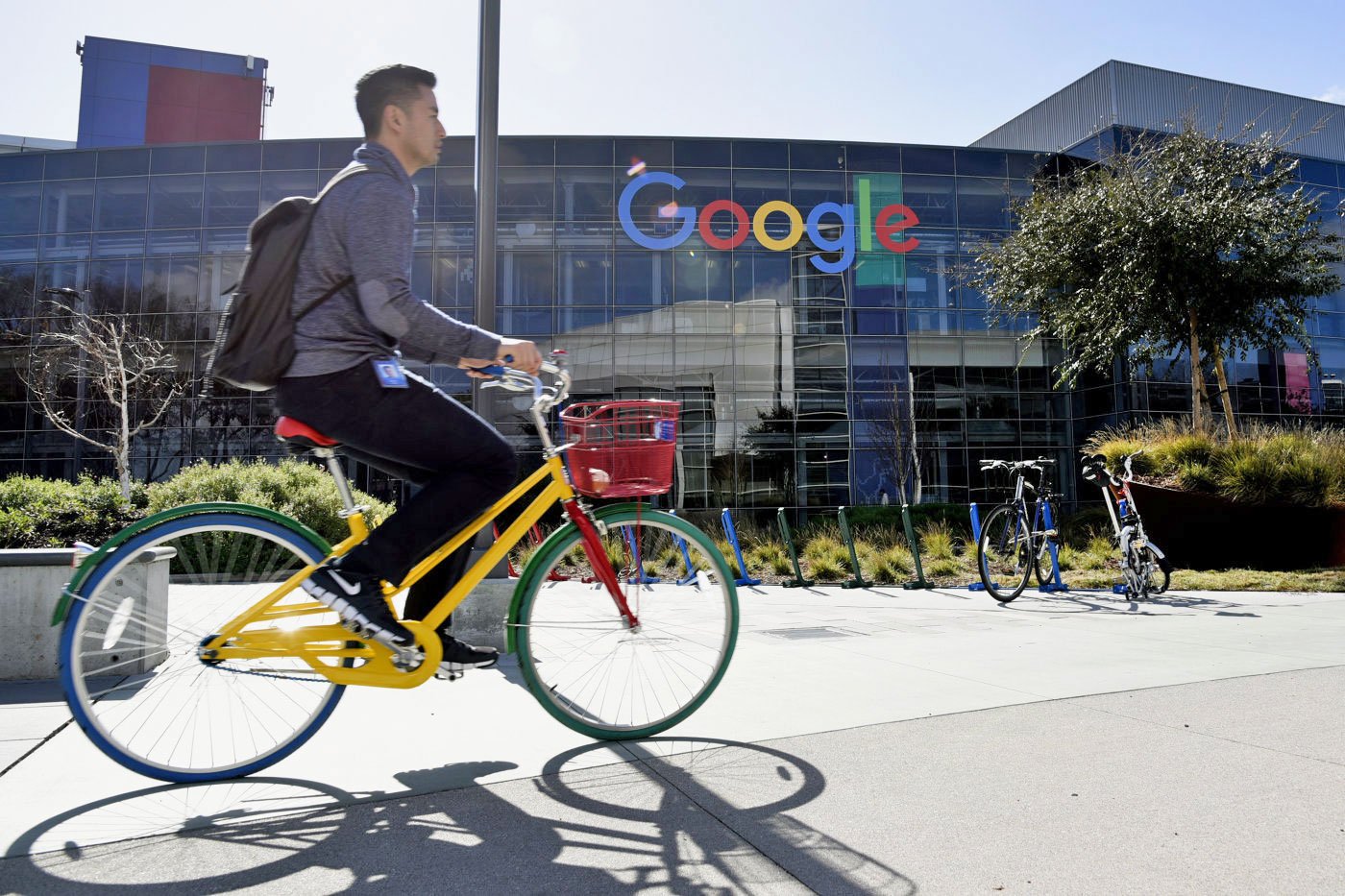
In a move widely seen as a way to hold on to their top talent, Google is creating Area 120, a startup incubator that would let some employees spend more time building out their "20% projects" (the personal projects Google allows in one fifth of your full time working hours). As all kinds of companies struggle to hold on to their best workers in an increasingly mobile work environment, we will likely see plenty more moves like this ... from far more unexpected brands than Google.
80% Of Buzzfeed's Reach Comes From Beyond Its Website
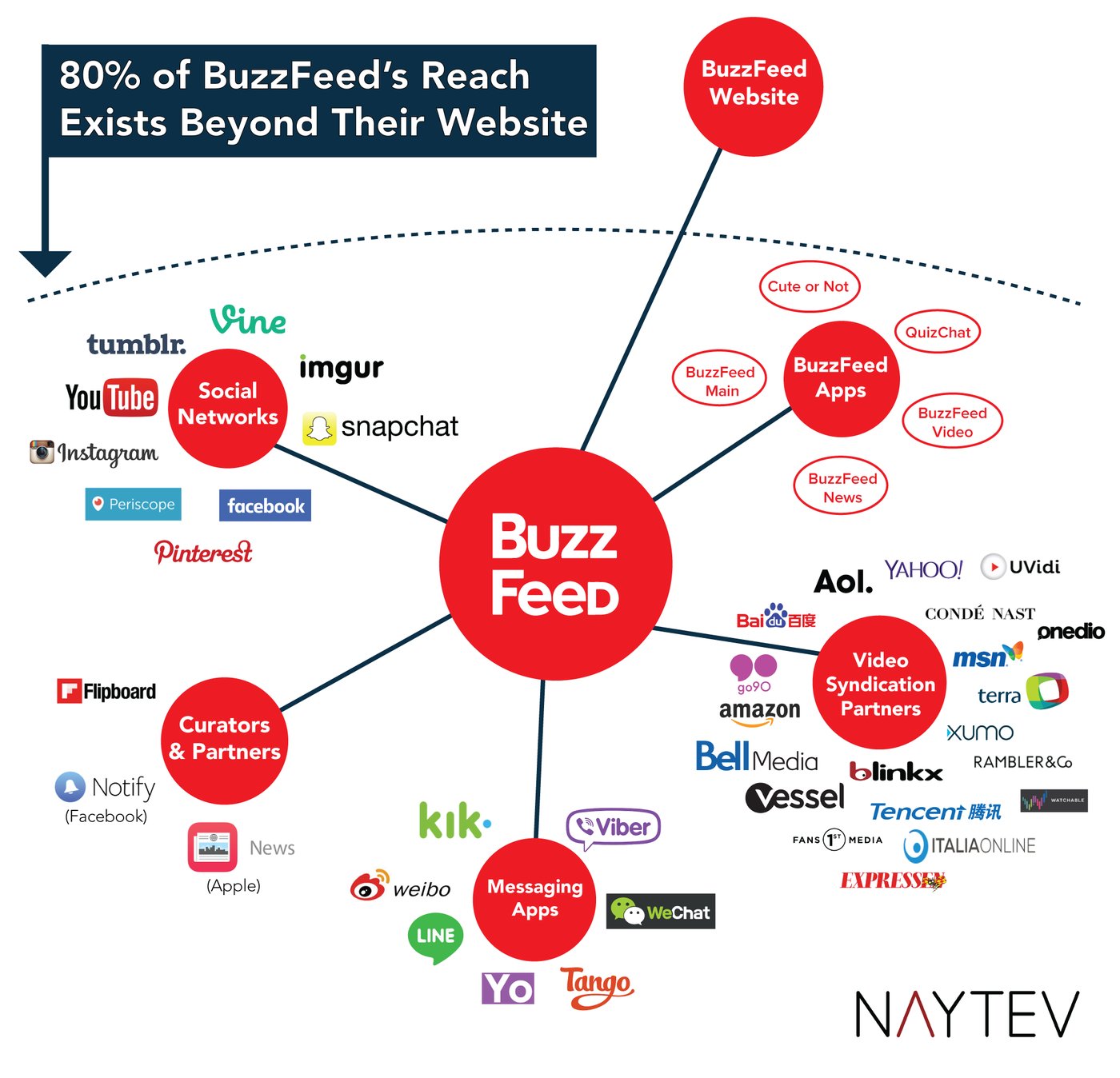
For all the criticism the media industry levies in the direction of Buzzfeed for how it has evolved/corrupted media consumption behaviour - there are relatively few pieces that take a detailed look at exactly what Buzzfeed is doing right. In this rare dissection of Buzzfeed's traffic, you can see just how strategically the property uses 45 different distribution channels to get stories exposure. This is the media distribution spider chart of the future - and a model more smart publishers will do well to copy.
A VR Experience You Never Want To Have In Real Life ...
I have written for several months now about how one of the most important impacts of virtual reality is how it allows each of us to experience "Virtual Empathy" for unfamiliar situations or people. VR is taking us into everything from a Syrian refugee camp to the life of a cow being led to slaughter. In this latest effort released by The Guardian, you can experience what solitary confinement in a US prison is actually like ... and develop some empathy for prisoners who have been subjected to this cruel punishment in the process.
Why Some Pitches Work While Others Don't
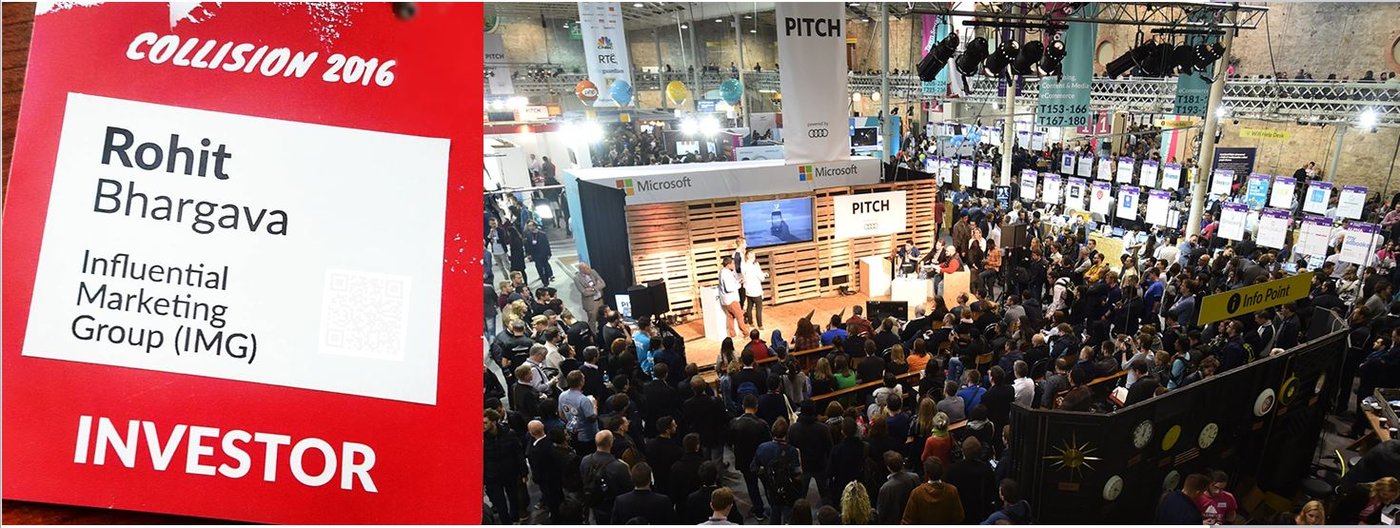
After spending much of this week listening to startup pitches (more than two dozen!), I was compelled to share my experience in this piece all about why pitches work and why they don't. The piece was originally published on LinkedIn and you can read the full article using the link below.
The Not-So-Surprising Pantone Color Of The Year
Every year Pantone inaugurates a color of the year based on cultural zeitgeist and this year one of the winners was "rose quartz." The color, a related shade of which is often called "rose gold," is prevalent in consumer electronics and is completely "in" right now. This fascinating article from WIRED delves into the psychology behind the color, which it's so popular and what that means for design and business. It is an entertaining and worthwhile read.
Why Apple's "Fortress of Secrecy" Doesn't Work Anymore
There are few topics that will get me as predictably vilified as writing a negative story about Apple - but it has never stopped me before. This week, on the heels of disappointing news, tech pundit Vivek Wadhwa also penned a considerably damning criticism of Apple for its lack of innovation and flexibility to deliver what the market really wants. It is a valuable read not only for how it lays out the path Apple should start to embrace, but also how successful companies of any kind should consider adapting to the new pace of change ... or risk behind left behind.
Influential Marketing Book Of The Week: Disrupted
I did not want to like this book. After all, it criticizes a company I know well and people who I consider to be peers. It exposes marketing and startup culture in an unflattering way that makes it seem like anyone practicing online marketing is essentially the latest incarnation of a snake oil salesman. In short, it doesn't make me proud of my industry.
Yet as I starting reading the book recently on a flight, I began to see past my own discomfort and digest the broader point of this book - and it is profound. When you spend enough time in any industry, it is easy to gloss over its faults. It takes an outsider to point them out, and Dan Lyons assumes this role with comical ease. He is the ultimate outsider to tech bro culture - both by training and by age. As he tells the story of being laid off from a prestigious role Newsweek and ultimately taking a job as a "content creator" at Hubspot while being twice the age of most of his colleagues, his story exposes the real gulf between what marketers call content and journalists call fluff.
As he turned his ethnographic lens on the way many tech companies treat workers like widgets while offering a ping pong table infused impression of workplace culture - the artificiality and inherent bullshit of this culture came to life powerfully. I have heard him say in interviews that the book was not intended as a take down of Hubspot as a company. I believe that - it felt more like a takedown of bullshit in all its forms.
When I finally put the book down after reading it cover to cover on a 3 hour flight I found myself thinking a little bit differently about my own work and role as a marketer. Sometimes, you need a wake up call to remind yourself to be better. This book offered that for me - and I highly recommend it.
