Fake Scarcity, Good Mansplaining and Indonesia's Sinking Capital
What’s In This Issue?
This Week’s Main Stories
 Story 01Welcome To A World of Manufactured Scarcity ... Online and Offline
 Story 02Underappreciated Teachers Are Leaving ... and Companies Want Them
 Story 03The Good Kind of Mansplaining?
 Story 04How Artificial Reefs Became Recurring Case Study In Human Stupidity
 Story 05The Myth of the Underqualified Minority Candidate
Even More Stories
- Indonesia Is Switching Capital Cities Because the Old One Is Sinking
- A Brief Guide to Every Sport at the Winter Olympics
- Everything You Need To Know About NFTS (A Free Course From Shelly Palmer)
- The Packers Went Cheap on Special Teams. It Cost Them At the End
- NYC Is About To Require Companies To Disclose All Job Salaries
Welcome To A World of Manufactured Scarcity ... Online and Offline
HBR had an article this week about how luxury brands are manufacturing scarcity in the digital world. Of course, they talk about NFTs and digital products. Without irony, the article mentions a "virtual hoodie NFT by the brand Overpriced" that sold for $26,000. Clearly the market for digital products is growing fast. Reading about NFTs or digital avatars make it seem like the opportunity to manufacture scarcity would be uniquely possible or controllable in the digital world. Yet entire industries, like diamonds, have relied on the ability to manufacture scarcity for centuries. Ultimately, it's a story of control. When the control for what constitutes value is in the hands of a powerful few, scarcity will always be manufactured.
Underappreciated Teachers Are Leaving ... and Companies Want Them
The state of New Mexico has such as shortage of teachers right now that state administrators had to ask soldiers from the National Guard to step in as substitute teachers. This isn't a short term challenge either. Another concerning story describes how many teachers are leaving the world of education for more lucrative jobs in the private sector ... and businesses are hungry to hire them. According to federal data, the rate of people quitting jobs in private educational services rose more than any other industry in 2021. A recent poll revealed the disturbing reality that more than half of teachers are considering leaving the profession. It's easy to understand why.
We treat teachers terribly in America. They are undervalued, under respected, and underpaid--a reality that hasn't changed for decades. Now consider the skills a good teacher would bring to any other role. They are patient, empathetic, accustomed to working with few resources, independent and understand how to communicate to people on many different levels. Teachers, in other words, are the ideal employee for any business. Perhaps the only thing that should surprise us about how many teachers are leaving to find success in other sectors is why it took so long.
The Good Kind of Mansplaining?
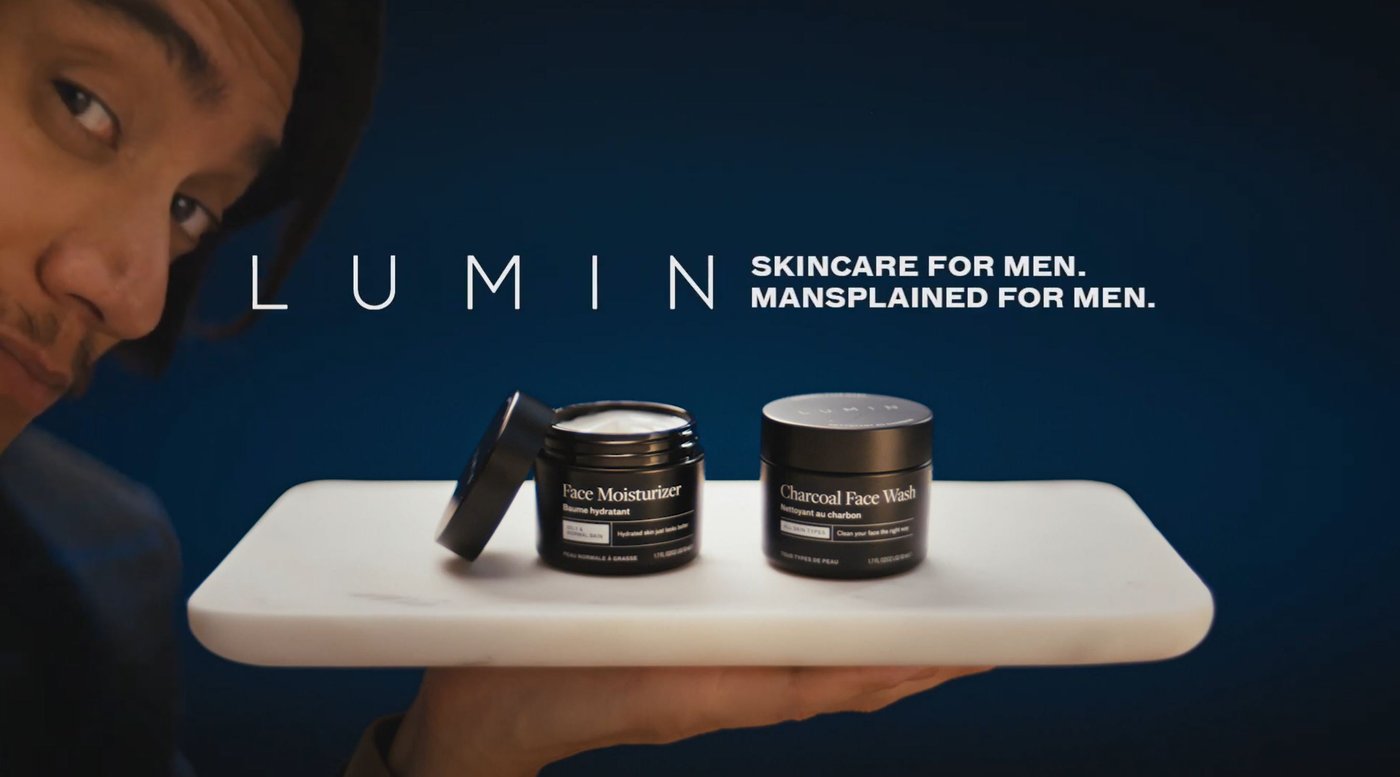
A few years ago Old Spice launched a marketing campaign with the glaringly obvious tagline "men have skin too." It turns out that might not be as unnecessary of a reminder as it seems. According to industry data, the majority of men don't use any skincare products regularly ... and we do indeed have skin. So there's a market there. Lumin's new campaign is taking an inventive new approach, by "mansplaining skincare to men." The ads are funny, sadly necessary and likely to resonate with their target audience. It's probably too much to hope that through clever comedy they also demonstrate to men how annoying mansplaining actually can be. I mean, they can't even convince the majority of us that we actually have skin worth taking care of. I guess sometimes you have to start small.
How Artificial Reefs Became Recurring Case Study In Human Stupidity
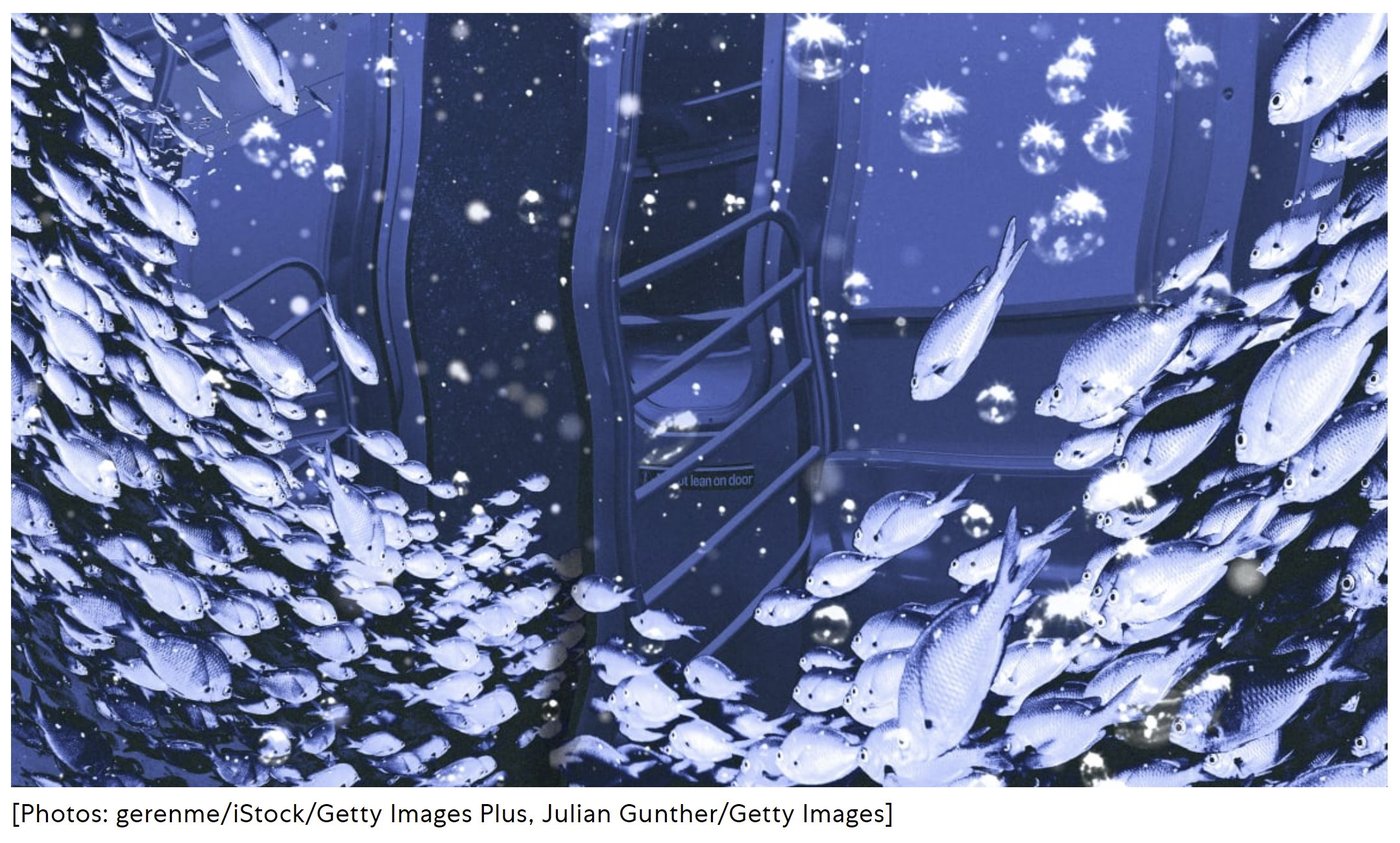
A stupid person does things without thinking through the consequences. Artificial reefs seem to have become the perfect case study for that. The idea isn't that bad. We take decommissioned or unnecessary items such as old subway cars and military tanks or millions of tires, and we drop them into the ocean to create a thriving artificial reef. Unfortunately, these artificial reefs have largely failed for predictable reasons.
Subway cars made of stainless steel did not last while those made of carbon steel did. Corrugated patterns made it easier for undercurrent waves to pull materials apart. Tanks dropped in areas with soft sediment sank too far, whereas those in places where the Ocean floor is harder stayed in place. Each of these lessons were learned the hard way. Now the question is whether we are learning any lessons from these failures, or planning to make these mistakes over and over because we are too stupid to do anything differently.
The Myth of the Underqualified Minority Candidate
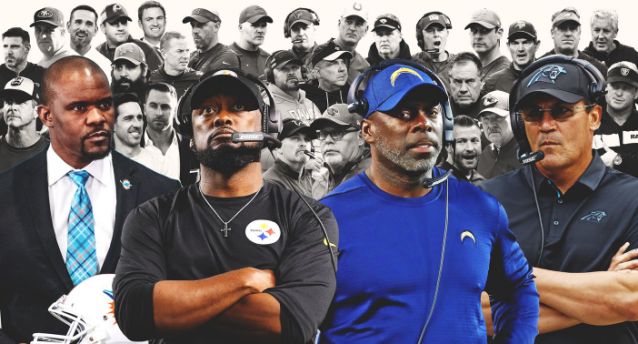
Back in 2003 the NFL adopted a practice known as the Rooney Rule that required any team seeking a head coach to interview at least two minority candidates for the job. The rule had some positive short term gains, but two decades later, there is only one Black head coach and one Latino head coach in a league that is predominately made up of Black players. As this article explores, the reasons for this come down to everything BUT a lack of qualifications from the coaches.
It's a particularly timely story as a big political story this week was President Biden's pledge to nominate a Black female candidate to fill an upcoming vacancy in the U.S. Supreme Court. Critics immediately began talking about how this intent to nominate a minority candidate would lead to an unqualified candidate being considered. This idea of the underqualified minority candidate who is only getting an opportunity due to an affirmative action policy is a recurring myth in business. The truth is quite different. Consider this analysis of Black judges appointed by President Biden from data science website FiveThirtyEight:
"We looked at data from the Federal Judicial Center and found that ... it's simply not true that [Biden] is weighing diversity more highly than the qualifications usually used to evaluate judges. In fact, his lower-court appointees are arguably more highly qualified on those metrics than the judges selected by previous presidents, and that's particularly true of the Black women he named."
In the NFL, the courts or in business, the truth is the opposite is often the case. A minority candidate is often expected to have more qualifications for the same role as their non-minority counterparts. As one academic study noted: "the exponential growth in PhD's from underrepresented groups in the last 30 years has not been matched by comparable growth in hiring them." So there isn't a lack of qualified minority candidates. The problem is a lack of opportunities for them to be hired for highly selective positions like NFL Head Coaches or Supreme Court Justices.
