China Admits Detecting Aliens, Why To Delete Your Past and the Secret of "Babushka Z"
What’s In This Issue?
This Week’s Main Stories
 Story 01China Detects Alien Signals, Google Creates Sentient A.I ... Then Both Say These Things Never Happened
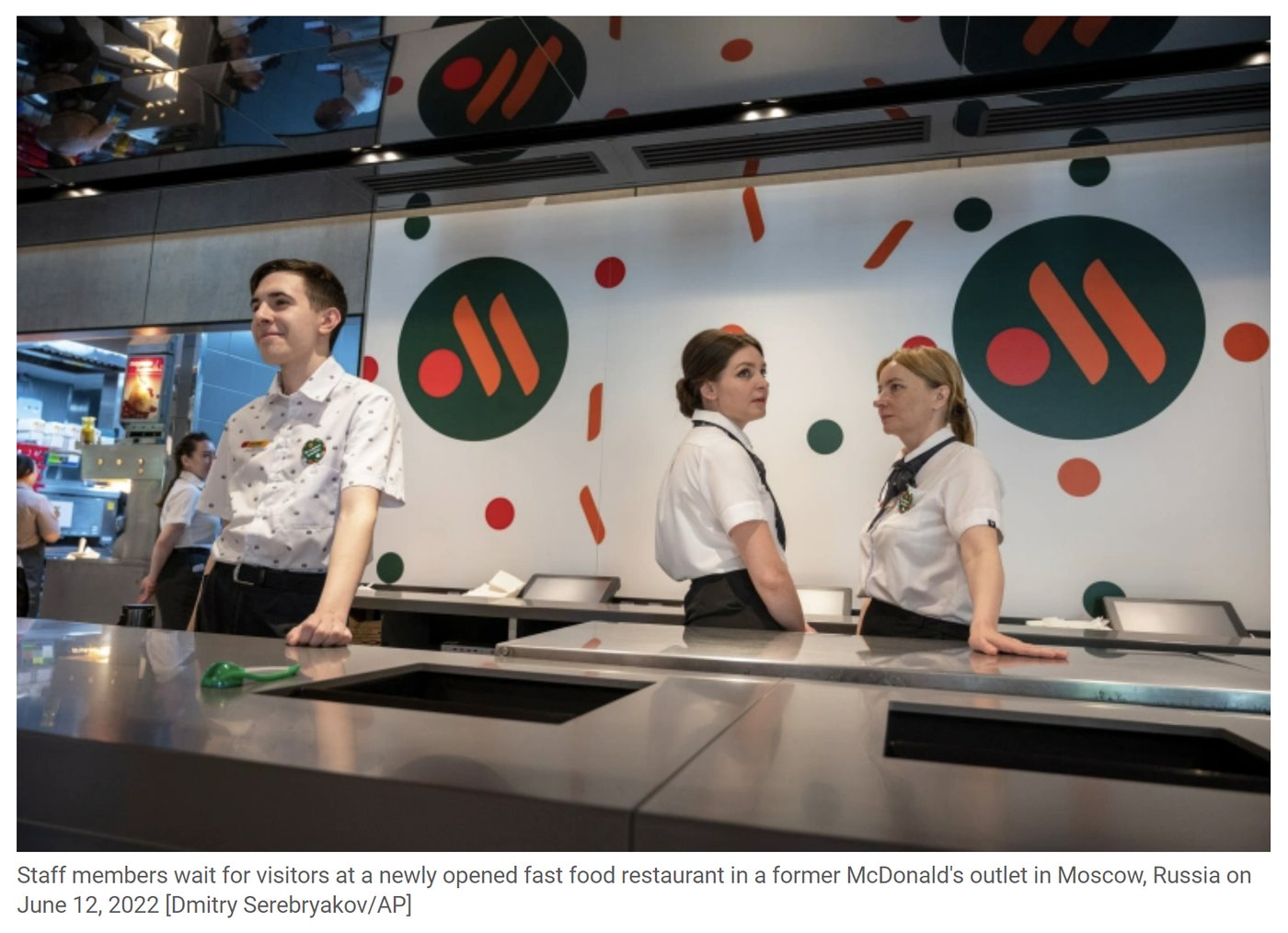 Story 02Is McDonald's Playing the Long Game By Rebranding Russian Stores?
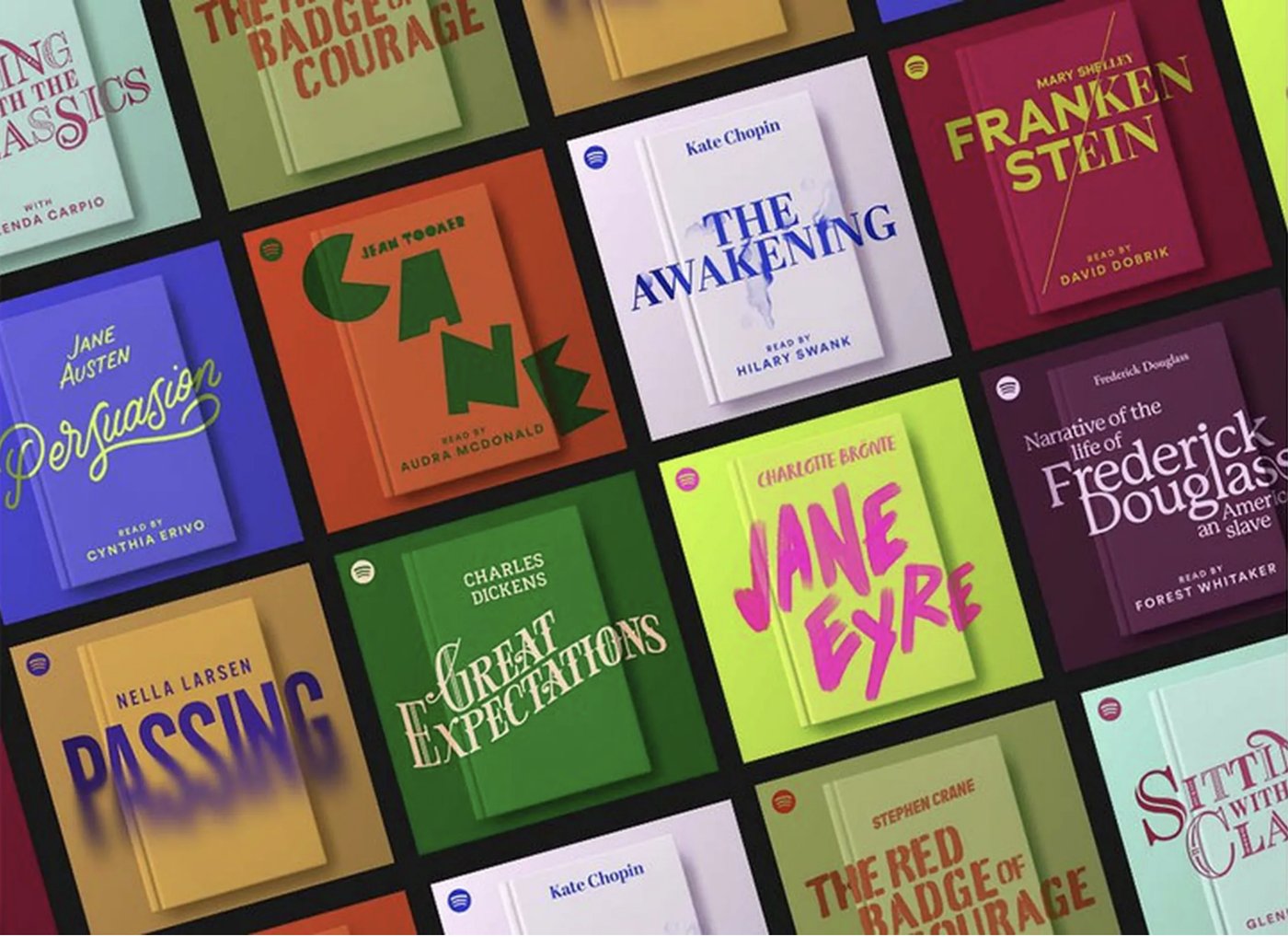 Story 03Spotify's Challenge with Audiobooks Is One That We All Face Everyday
 Story 04How a Ukrainian "Babushka" Became An Unlikely Russian Propaganda Icon
Even More Stories
- James Patterson Says White Male Authors Also Face Racism
- Covid and Smell Loss, Answers Start To Emerge
- Gone in 130 seconds: New Tesla hack gives thieves their own personal key
- Stella McCartney showcases versatility of fungi in new cooking series
- Dear Marketers: Don’t Profit From Juneteenth
- Netflix Green Lights Squid Game Reality TV Show With $4.56m Cash Prize and Less Death
- When Your Life Is Online, What If You Don't Delete Anything?
China Detects Alien Signals, Google Creates Sentient A.I ... Then Both Say These Things Never Happened
If you are someone who believes in conspiracy theories, it's been a big week for you. First, an engineer at Google named Blake Lemoine claimed that Google's language model has a soul ... and was quickly silenced. A few days later, China said their "Sky Eye" telescope detected signs of alien civilizations ... and then deleted the post. If alien civilizations were detected, or A.I. did become sentient, this seems like how it would go. Someone shares the news, and then it is quickly buried by those in power worried about the potential effects of the news. Not that I'm supporting your conspiracy theories or anything.
Is McDonald's Playing the Long Game By Rebranding Russian Stores?
Less than a month after announcing they would exit the Russian market, McDonald's new owner is reopening the locations under a new brand. This new brand is independently owned, and features mostly new and different menu items. Buried in the small print of the arrangement is the provision that McDonald's will have the right to buy their restaurants back in Russia after 15 years.
Back when I worked in the world of advertising, we routinely had a "conflict agency" that we created in order to do work for a brand that competed with an existing client. Coincidentally, this conflict agency was either called "Chemistry" or "Chemistrii" at two different agencies ... yet the intent was the same. It was a way for us to say yes to working with a client that we would otherwise be barred from taking on as a client. The practice also helped us to play the long game. If we ended up losing that primary client, at least we would have a fallback piece of business. It seems McDonald's may be doing the same thing with their symbolic departure from Russia.
Spotify's Challenge with Audiobooks Is One That We All Face Everyday
Last year Spotify acquired audio book platform Findaway and began discussing how to expand its audio book offering. Unfortunately, some critics are worried that it might make an already confusing interface nearly unusable. Those fears are reasonable. Yet the problem is solvable and should be a top priority for Spotify to fix.
The world of audio books urgently needs another option (aside from Libro.fm) to help listeners avoid the anti-competitive existing monopoly platforms of Apple or Audible. A key barrier seems to be the fear that adding another category of content might overwhelm existing Spotify users. This is a familiar problem in a world filled with content. Finding anything is harder than ever. It can be managed with smarter information architecture and a greater focus on usability.
If Spotify is smart, they will invest in audio books by inviting authors to create "Spotify Exclusive" audio book content to make their offerings on the platform unique. Then they will hire a small army of the smartest usability experts and developers to help them figure out how to create the best user experience for all of this content.
How a Ukrainian "Babushka" Became An Unlikely Russian Propaganda Icon
Propaganda is deceitful, emotional and highly effective. It's why all governments use it. The most recent propaganda icon for the Russian government is an elderly Ukrainian woman nicknamed "Babushka Z", whose story went viral after a video of her holding a red Soviet flag during a mistaken encounter with Ukrainian soldiers. Russian authorities featured her as an example of a Ukrainian still loyal to Russia. The truth isn't quite so simple, as a team of reporters from BBC learned after tracking her down and interviewing her. The true story is one of mistaken intention, memories from WWII and manipulation. Altogether, it's a fascinating read and a perfect example of why propaganda is so effective ... and why we must always be vigilant about calling it out when we see it.
