6 Biggest Book Trends, What Makes a Great Whistleblower + Why Ocean Cleanup May Be Pointless
What’s In This Issue?
This Week’s Main Stories
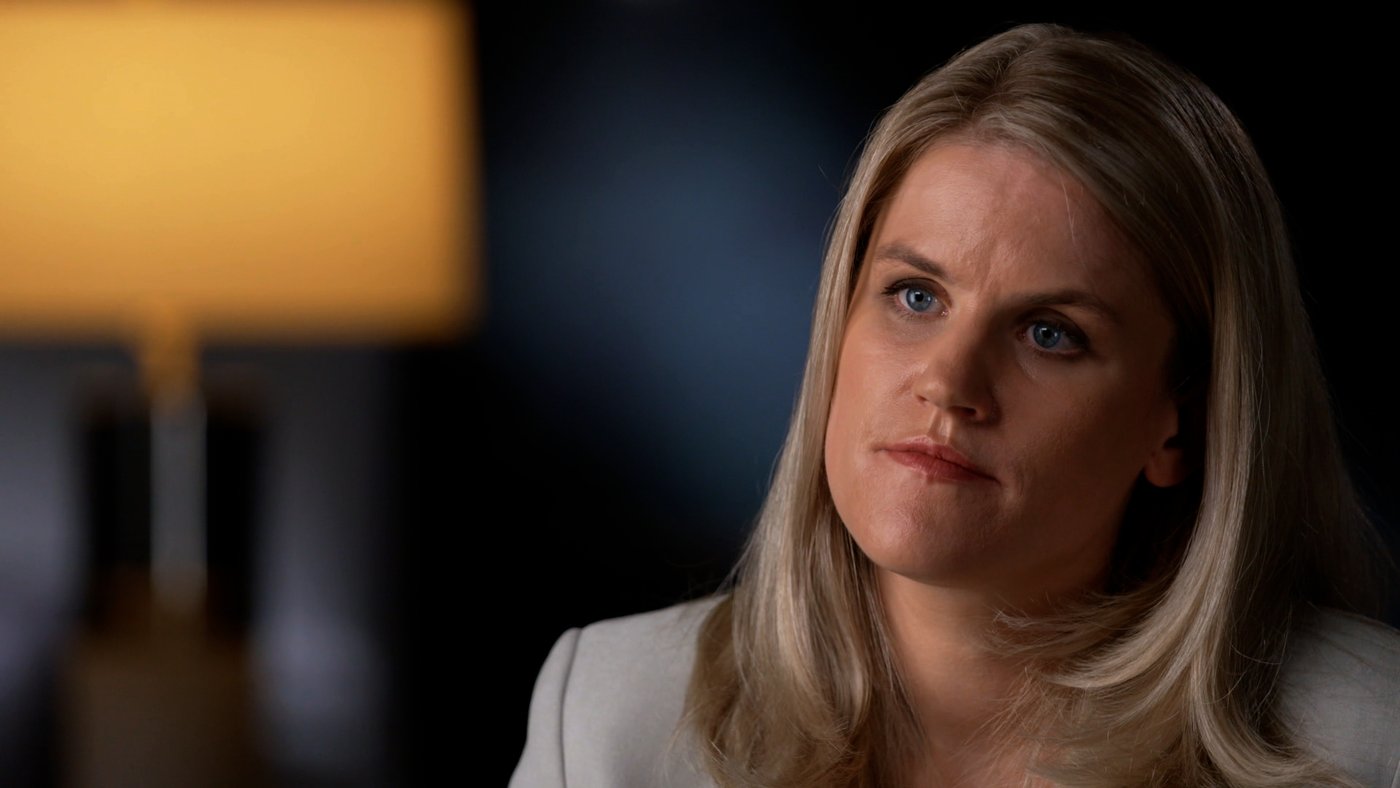 Story 01How Francis Haugen Was So Effective As The Whistleblower We All Needed
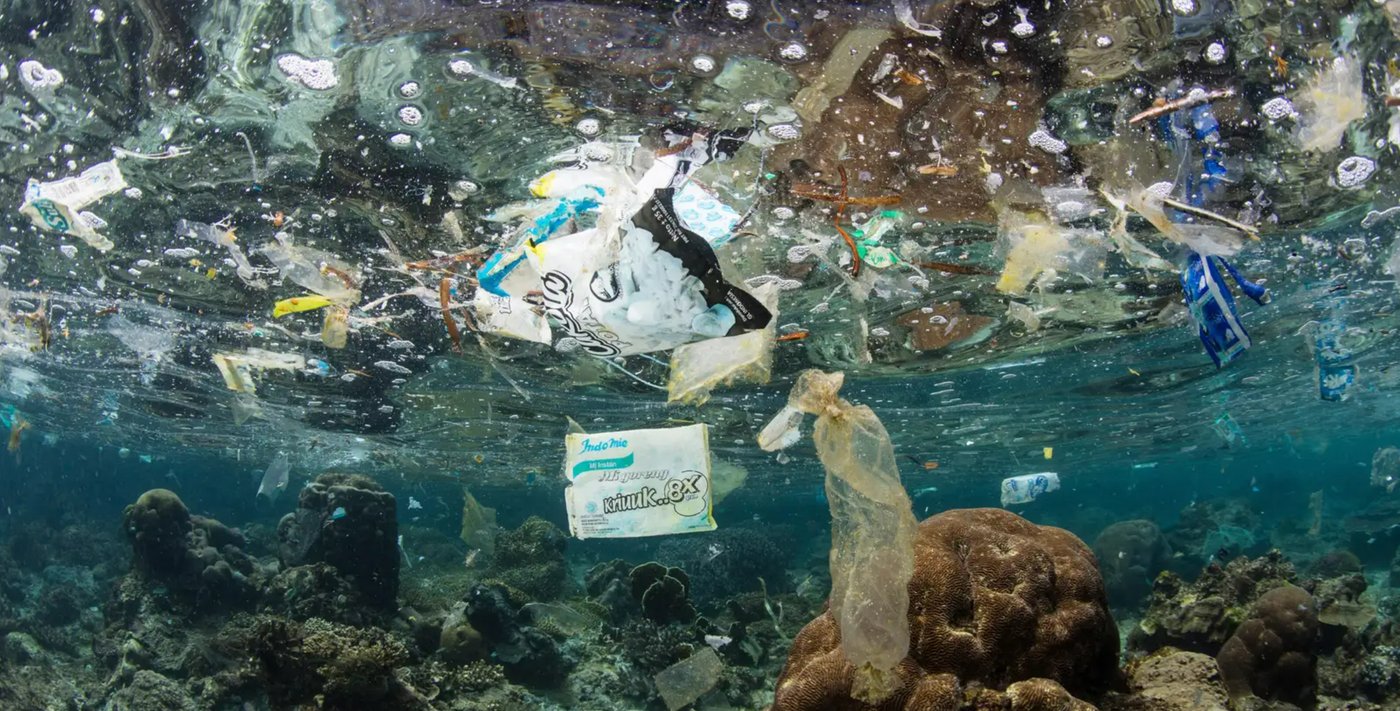 Story 02Why Trying to Clean Up All the Ocean Plastic Is Pointless
 Story 03How Macy's And Other Retailers Are Selling Ads To Save Their Business
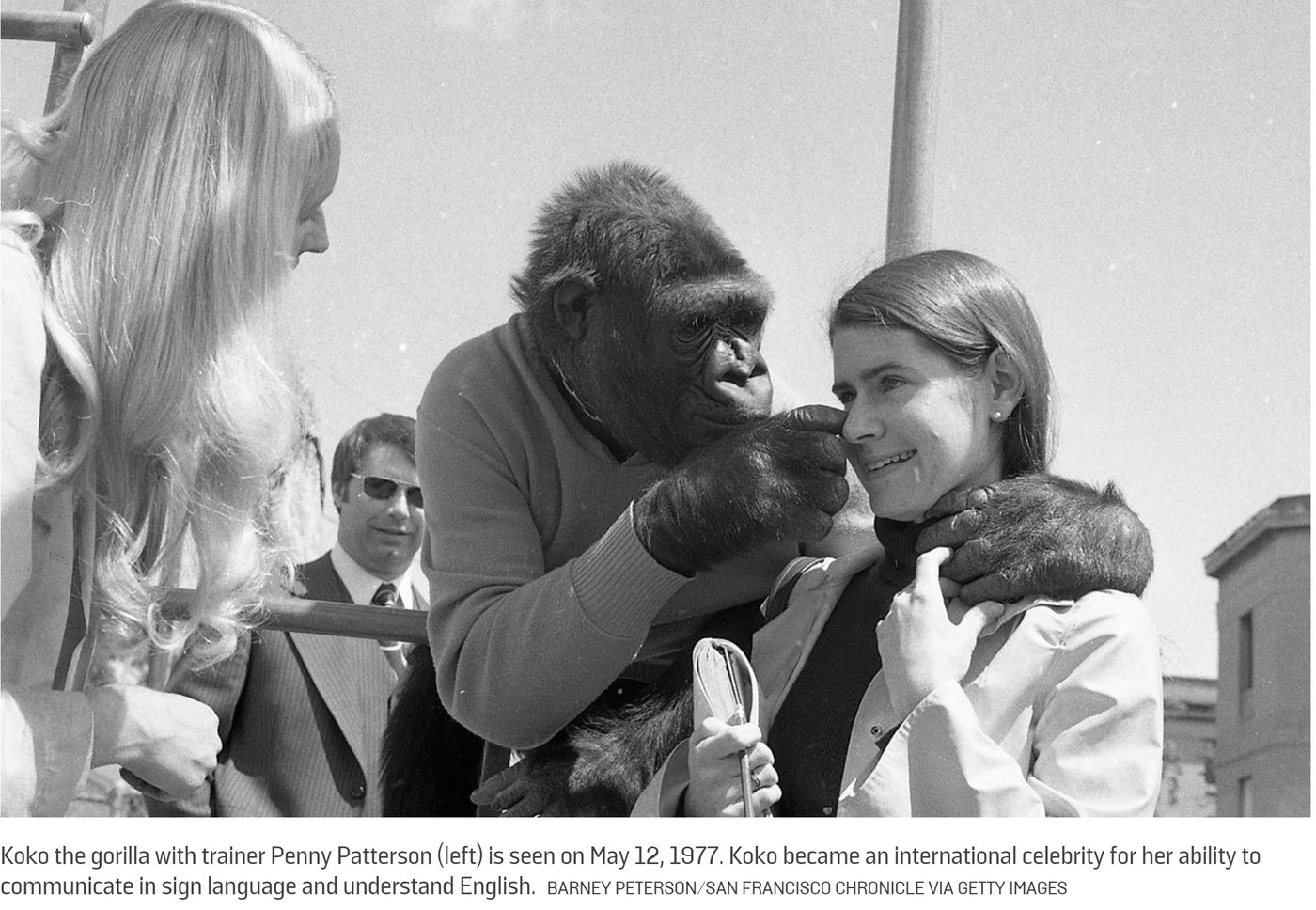 Story 04Should Nature and Animals Be Given "Personhood" and Treated Like People?
 Story 05Sneak Preview Of The 6 Big Trends From the Non-Obvious Book Awards
Even More Stories
- Harvard Student Says Other Harvard Students Are Horrible
- My Day in Zoom Court: Virtual Trials Are a Better Option for Sexual Assault Survivors
- Scientists claim big advance in using DNA to store data
- What The Matrix Got Wrong About Cities of the Future
- Red Notice Is Netflix's Most Watched Movie Ever
- Xenobots Are "The World's First Living Robots" That Can Now Reproduce. What Could Go Wrong?
- Someone Paid $650,000 for a Nonexistent Yacht in the Metaverse
How Francis Haugen Was So Effective As The Whistleblower We All Needed
At Facebook, tens of thousands of employees had access to the same documents as Francis Haugen and thousands (at least) shared her same misgivings about the practices of the company in sowing discord and profiting from hate. Yet here's the question that doesn't seem to be asked often enough: why her? And perhaps more importantly, why do her efforts seem to be working drive real change when so many other efforts from concerned activists and whistleblowers alike only seem to amount to short term attention before phasing out.
One article this week asked those questions and offered some interesting insights into the unique combination of traits and circumstance that seems to have helped Haugen to be a particularly effective critical voice taking on Facebook. According to the story, Haugen's personal confidence, her long-standing debate skills, the fact that she did not have to worry about her finances (thanks to some successful bets on cryptocurrency) and her moral center may all be contributing factors. Together, it's a telling exploration of what "magic" elements might need to all be in place before a single critical voice can truly create a big change in the world.
Why Trying to Clean Up All the Ocean Plastic Is Pointless
It makes sense that we would try to invest time and effort into cleaning the oceans. Humans are using to cleaning up after making a mess ... but what if we might be better served by ignoring our natural impulse to clean what we have already polluted? Pollution expert Max Liboiron suggests that there may be a better solution to confronting plastic pollution: stop it from happening in the first place. Here's the memorable metaphor he uses to explain his point:
OK, you walk into your bathroom and your bathtub is overflowing. Do you, a) turn off the tap, or b) get a mop? I mean, eventually you’ll do both, but you better turn off that tap before you start mopping up or you will never stop mopping up and you will never catch up to the water spilling out. That’s a great model for job security but a horrible model for dealing with pollution.
So yes, plastic pollution is a huge problem and probably cleaning it up needs to happen. But it is all rather pointless if we continue dumping plastic into the oceans.
How Macy's And Other Retailers Are Selling Ads To Save Their Business
The often-predicted retail apocalypse certainly seemed to get more likely for many large retailers over the past year. Macy's alone shuttered 45 stores in 2021 and needed a $4.5B loan to escape bankruptcy. Yet it is one of the retailers who is turning to online advertising as a potential new source of significant revenue. Macy's ad network is pulling in "tens of millions of dollars" from brands such as Harry’s, Estée Lauder, and Ralph Lauren eager to leverage Macy's store network and online properties. The initiative is one that several other retailers including Walmart, Target, CVS, Lowe’s, and Albertsons are also trying. If it works, this may not only offer a much needed new infusion of revenue into these brands, but also create a valuable new alternative for brands to spend some of their online advertising budgets instead of pushing it entirely to platforms like Facebook and Google.
Should Nature and Animals Be Given "Personhood" and Treated Like People?
There is a fascinating legal movement happening across multiple countries that is posing some big questions about whether animals and the environment itself should afforded protection by being assigned the rights of personhood. While this may seem like an extreme tactic dreamed up by activists, the results seem to be going further than the fringe and may soon reach more communities around the world. In context with last week's story about octopus sentience, it does seem there's a movement happening to rethink some of our most basic assumptions of who or what should be treated like a person and given rights accordingly.
Sneak Preview Of The 6 Big Trends From the Non-Obvious Book Awards
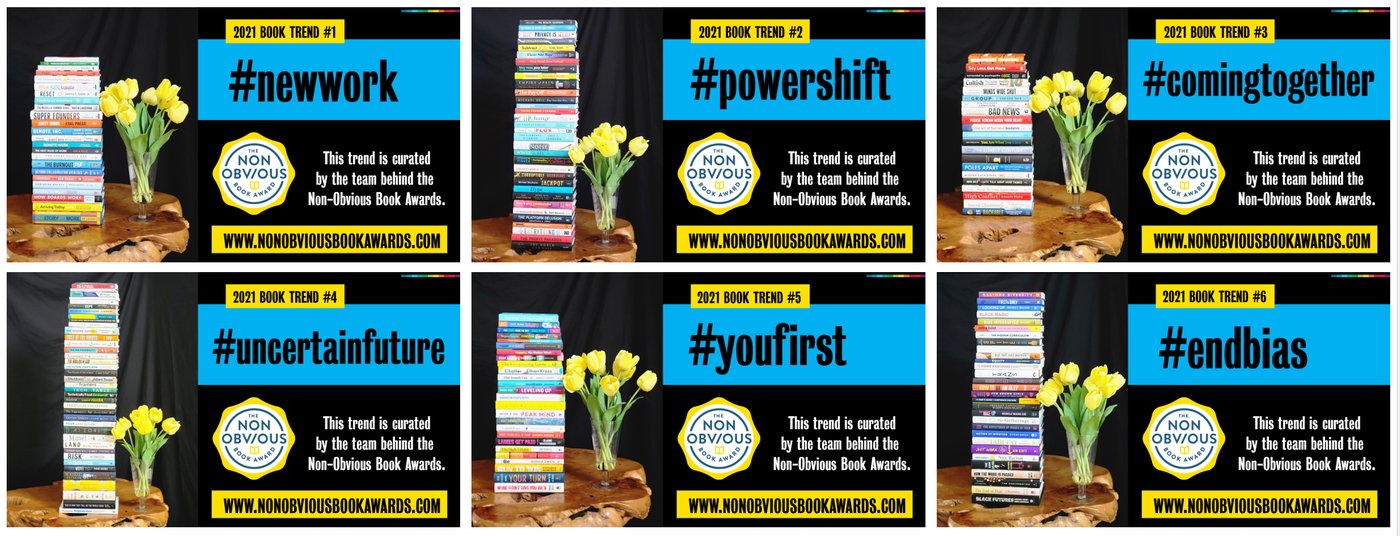
Yesterday I posted an article with the first of six big book trends that I will be sharing publicly every day for the next five days, leading up to our full Longlist Announcement next Wednesday, December 8th. Since you're a subscriber to this email and therefore more special than everyone else, I wanted to share a sneak preview of all six with you today. The first article about the trend of #newwork is already live on LinkedIn. Here is an advance look at the next five trends that will be posted over the next week. Be sure to follow me on LinkedIn to get an alert each time a new article is posted to read more about each of these trends throughout the week.
- #powershift - Whether it was exploring wealth inequity and corporate corruption or teaching people how to reclaim their agency, the theme of power and how it has been shifting dramatically in many industries, politics and our society as a whole was a big theme across many books.
- #comingtogether - For many people, the past year has involved a significant struggle with loneliness and a new need to reconnect with society. Several books not only explored this theme, but also considered how our society might be improved through more human connection and more ways for people to come together in general.
- #uncertainfuture - The future is a regular topic for books, but this year an interesting nuance among many future-oriented books emerged. The idea of uncertainty seemed to play an outsize role in the structure of more books this year, as authors imagined new realities, offered theories for how humanity (and the Earth) might be saved and turned back the clock to share lessons from history that might offer some lessons for all of us to shape the future.
- #youfirst - If the pandemic allowed you a chance to rethink your life priorities, you are not alone. A popular theme among many books this past year was the idea of somehow putting yourself first. From taking more vacations, to working less to adopting a growth mindset - the idea of prioritizing yourself was popular advice this year.
- #endbias - Systemic racism, wage equity, unconscious bias and taking action to build a more inclusive world continued to be increasingly popular topics for books this year. I wrote my first in this category as well. The range of books and topics covered are diverse, important and worth sharing.
