5 Powerful Ideas From CES 2017
What’s In This Issue?
CES Idea #1 - Beauty Tech Gets Serious
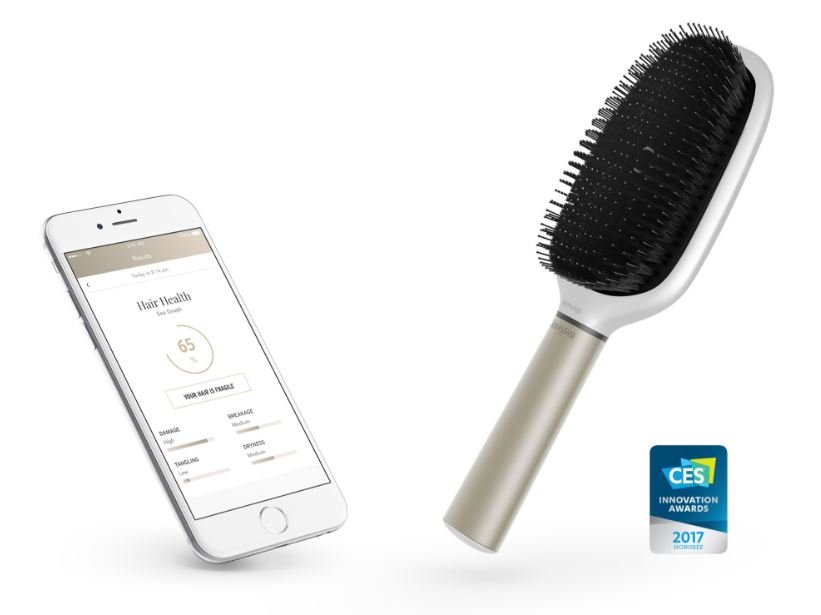
After years of "Health and Wellness" getting all the attention for tech products, this year "Beauty Tech" finally seemed to come into its own. L'Oreal partnered with Withings to launch the "Hair Coach" - a smart brush that delivers information via an app about your hair health based on reading the force you use when combing and "listening" for breakage. The Hi-Mirror is a connected mirror that gives makeup advice. Moen even launched the " U Smart Shower Head" which can be controlled by app to allow you to set the perfect temperature for your shower without fiddling with knobs.
CES Idea #2 - Amazon's Alexa Rules The World
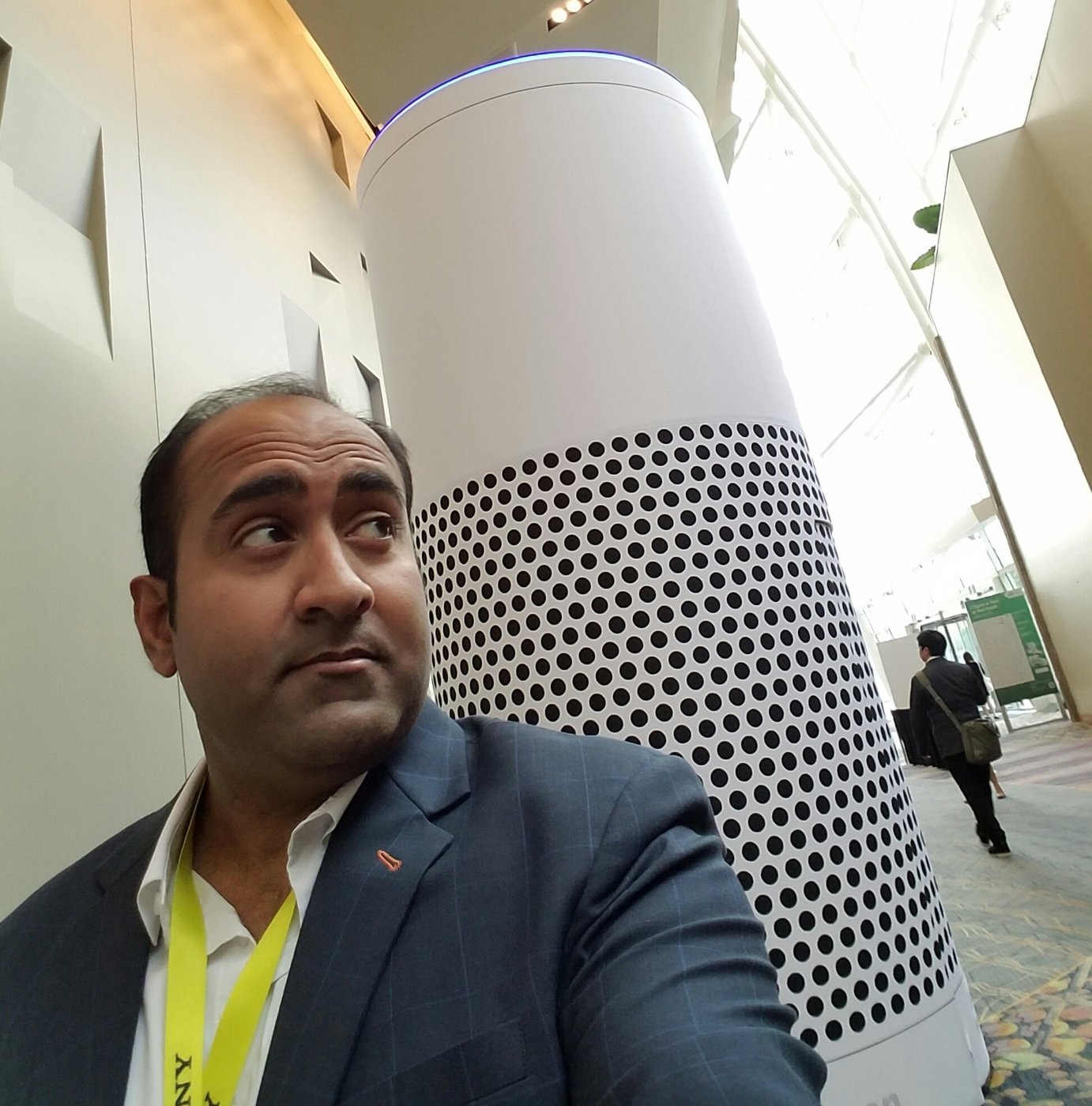
Ok, I couldn't resist posting this joke image of me getting attacked by a 20 foot tall Amazon Echo, but the metaphor is a good one to describe Amazon's prolific strategy to getting "powered by Alexa" to be a big theme. Mattel launched an Alexa enabled device called Aristotle. LG had a refrigerator with Alexa built in. Other integrations included Logitech remotes, Whirlpool Washers and a GE ring lamp. With this type of ubiquity, Amazon seems to be establishing an early lead in dominating consumer adoption of AI both with its own competitively priced products and a smart integration strategy with others.
CES Idea #3 - Robot Renaissance
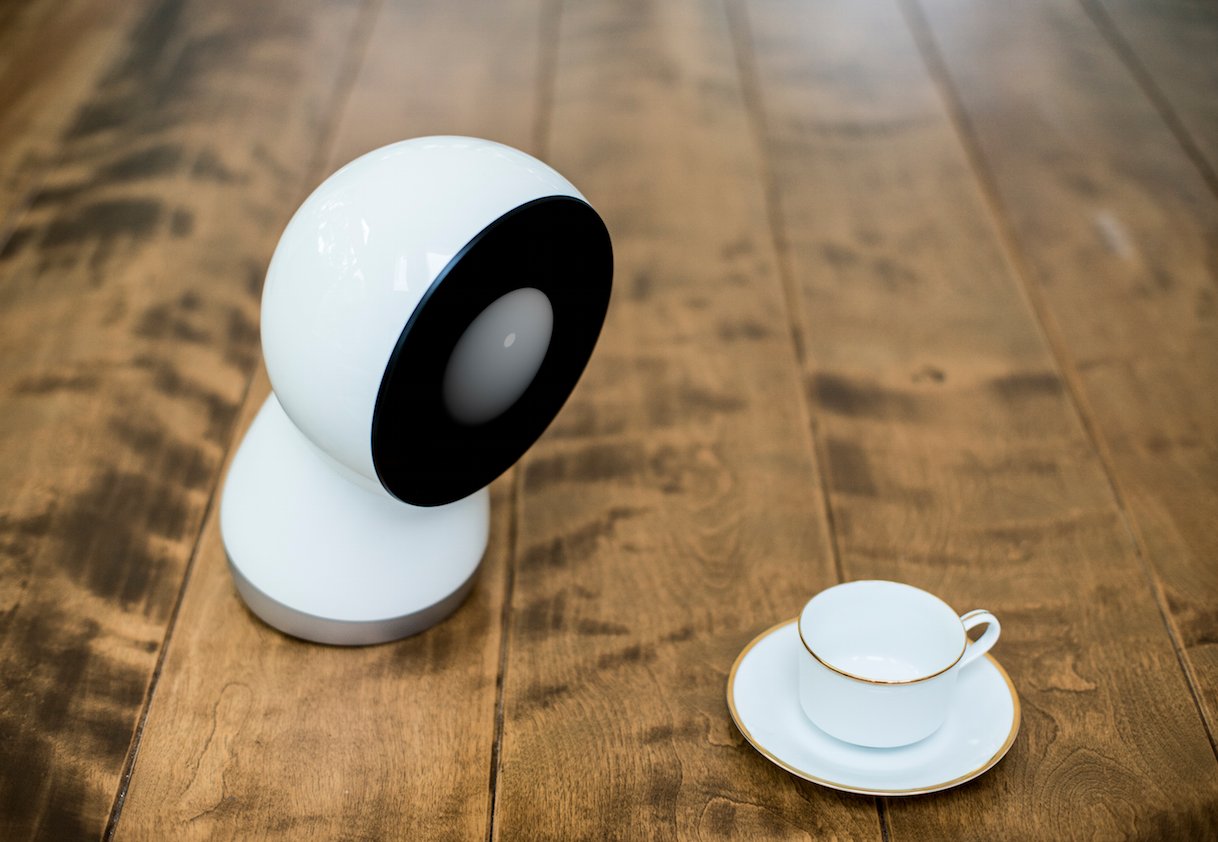
For astute readers, you'll probably recognize that "Robot Renaissance" is also one of my trends from my new trend report ... but it was hard to avoid singling this out based on the fact that there were so many examples at CES of robots with emerging personalities taking on new roles. From the Jibo personalized robot (which I wrote about in the book) to a copycat product that made it to the CES show floor, to robots with humanlike features, to Kuri the "robot nanny," the idea that robots could be more than job replacing assembly line bots was routinely on display here at CES and has broad implications for how we all work and live.
CES Idea #4 - Tech Time Management
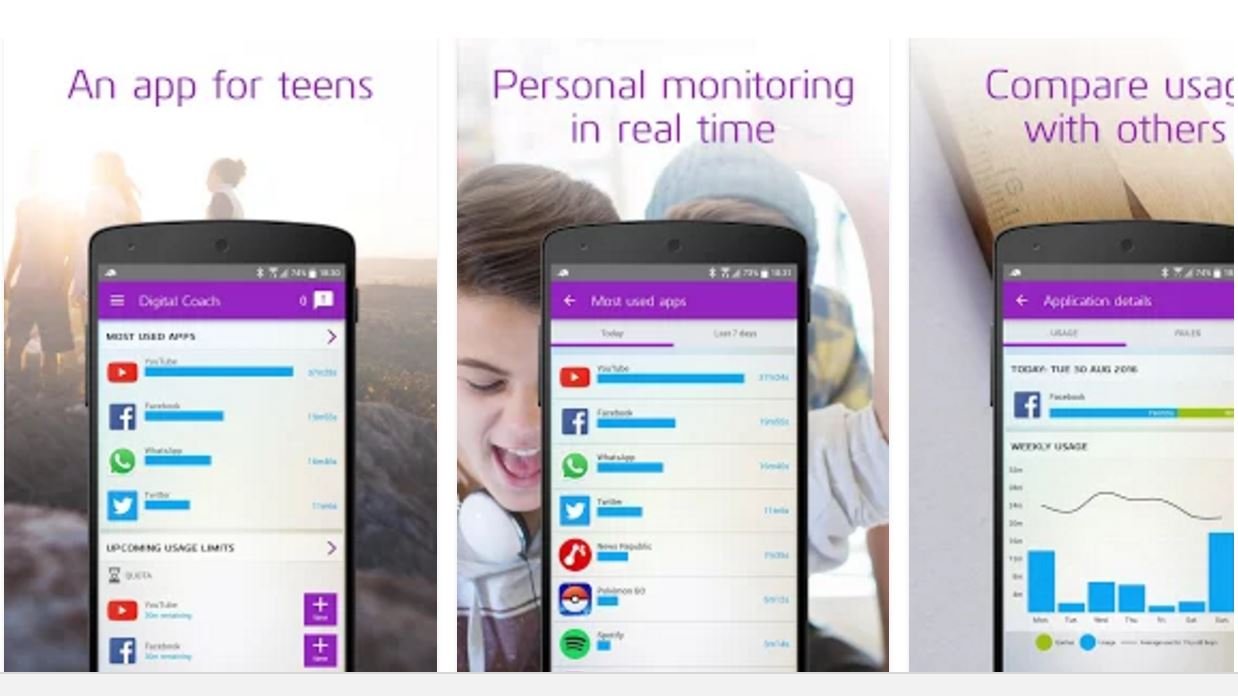
The worrying side effect of all our devices is their ability to increasingly distract us from real life interactions with people. At CES, there were signs that this dark underside of tech is finally being appreciated as a business opportunity for innovation to help us achieve this elusive balance. A product called the XooLoo Digital Coach won a coveted CES Innovation award for offering a solution to help kids manage their own tech usage. Linksys, Comcast, Google, Disney and many others are all launching smart routers for the home. All of these are designed to help us better manage time with technology ... and find more time away from it as well.
CES Idea #5 - Reimagining Automobiles
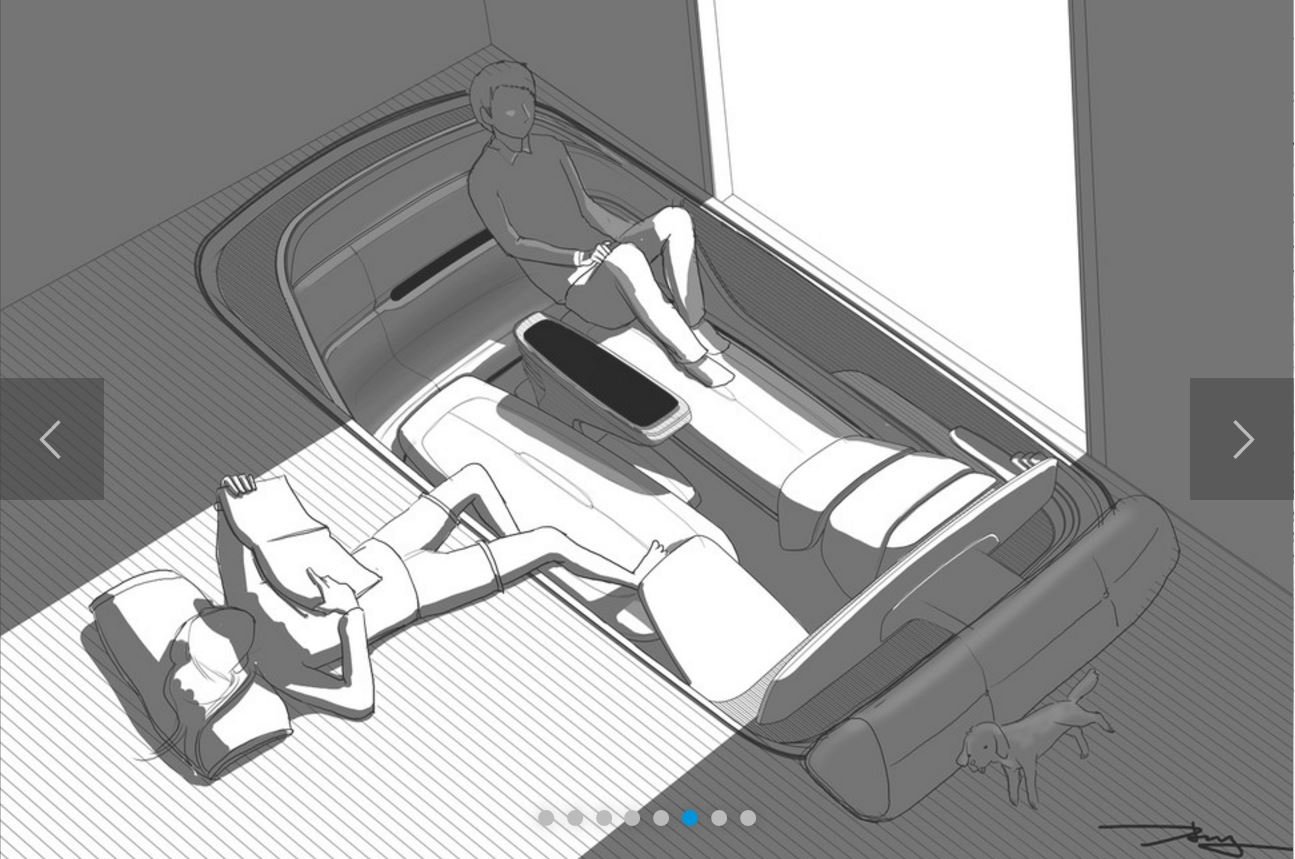
Every year CES has concept cars with new designs - but this the first year that I can remember quite so much imagination in even rethinking the role of what vehicles should be. Mercedes, for example, had a "drone mothership" electric delivery van that could carry three drones on its roof to deploy on site for quicker deliveries. Meanwhile, Hyundai came up with offered a new docking idea for a car where the automobile (and its seats) could actually be multi-purposed as a functional part of your living room. Yes, when vehicles get autonomous, all sorts of possibilities emerge.
The Worst Epic Tech Fails Of Past CES Shows
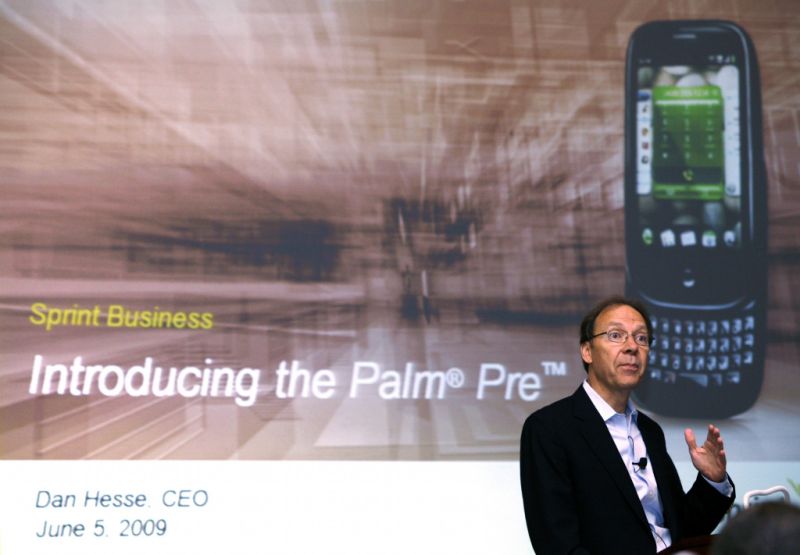
As an entertaining side article, check out this compilation of big CES blunders from my friend and tech writer Rob Pegoraro ...
